



The Ministry of Foreign Affairs reported that a visit by UAE Special Envoy for Business and Philanthropy Badr Jafar to Germany included more than 15 meetings with leading companies including BMW, Airbus Defence and Space, Henkel and RWE. Discussions during the engagements focused on expanding ties in energy, advanced manufacturing, technology, infrastructure and innovation. The meetings underscored the growing importance of private sector involvement in building practical partnerships between the two countries, the ministry stated. Official figures placed bilateral trade at more than €13.56 billion, equivalent to $15.5 billion, in 2025.
Energy-related talks concentrated on security of supply, diversification, clean energy, battery storage, low-carbon fuels, hydrogen, carbon management and energy trading, according to the ministry. These conversations highlighted the value of UAE-Germany cooperation in developing resilient and diversified energy systems for the future. The two countries established an Emirati-German Energy Partnership in 2017 to deepen collaboration on renewable energy expansion, hydrogen development, carbon pricing and energy efficiency, the partnership organisation noted on its website. Priority areas have included system integration of renewables and support for business opportunities between public and private stakeholders.
The visit formed part of broader efforts to strengthen bilateral relations across priority sectors that also encompass water technology, mobility, digital infrastructure, space, sport, culture and innovation, the Ministry of Foreign Affairs said. Jafar’s engagements with German industry leaders aimed to increase trade volumes, investment flows and long-term private sector partnerships, according to an announcement on the ministry’s media hub. Industry assessments have pointed to significant potential in green hydrogen and advanced manufacturing as areas where both economies can complement each other’s strengths.
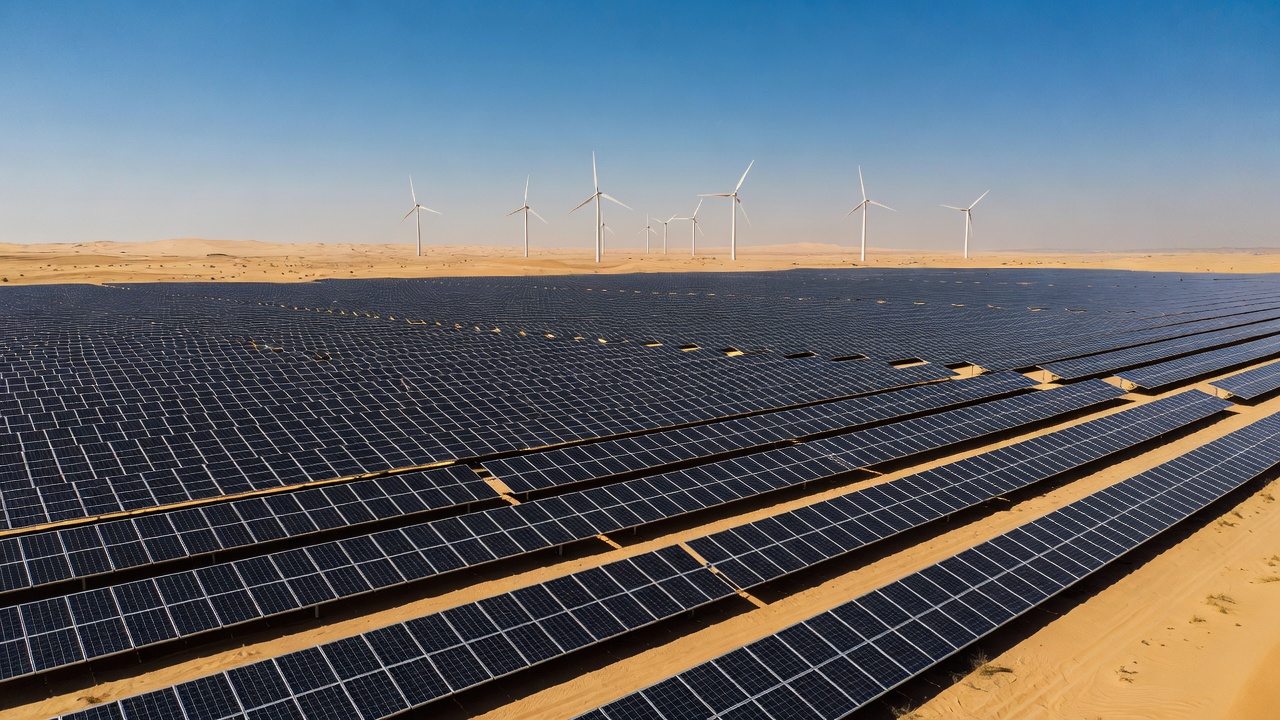
German companies have shown growing interest in the UAE’s market, which offers substantial solar resources exceeding 2,200 kWh per square metre annually and positions the country as a regional hub for renewable energy projects, the German Emirati Chamber of Industry and Commerce has reported. The energy partnership facilitates high-level political dialogue and best-practice exchanges on energy transitions in both nations, its documentation states. Such frameworks have helped open new fields of business while supporting the transformation of energy systems in the UAE and Germany.
Private sector engagement has become a central pillar in advancing these ties, with the ministry emphasising its role in turning high-level agreements into tangible outcomes. The discussions built on existing regulatory approvals and operational collaborations already in place across several energy verticals. Further coordination between businesses from both sides is expected to address supply chain complexities and emerging technology requirements in the years ahead.