


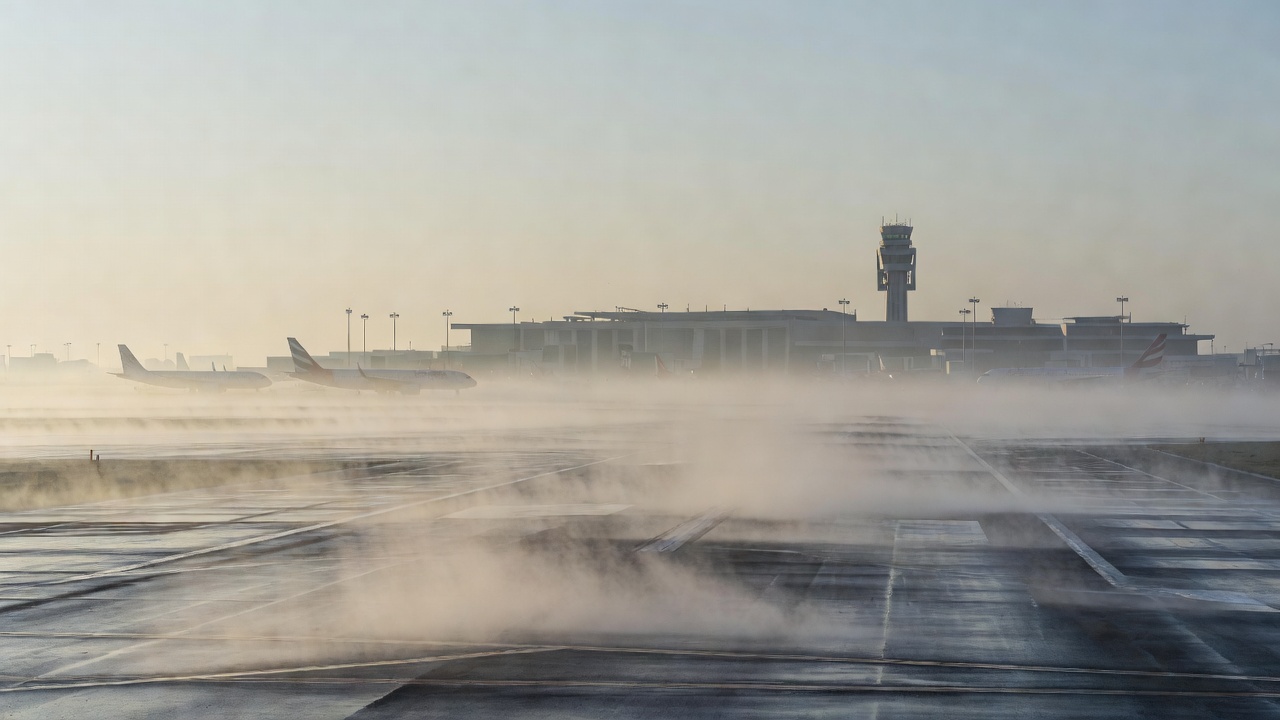

The General Civil Aviation Authority has called on all airlines and aircraft operators to implement necessary measures in response to anticipated seasonal weather that could interfere with operations at UAE airports. According to a circular reported by the Emirates News Agency, the authority highlighted the likelihood of fog formation and declining horizontal visibility over the coming period, conditions that frequently lead to adjustments in flight schedules. The GCAA stressed the importance of close coordination among all aviation stakeholders to uphold air traffic safety while striving to sustain operational regularity as far as practicable.
A study published in the Journal of Applied Meteorology and Climatology examined 36 years of data from Abu Dhabi International Airport and determined that fog days per year range from eight to 51, averaging nearly 24. Events concentrate between September and March, with December and January recording the highest frequency, and fog typically forming between 7pm and 11am local time before peaking around sunrise. The National Centre of Meteorology has separately noted that stable weather, light winds, clear skies and humidity levels climbing toward 90 to 100 percent create the primary ingredients for such fog as temperatures fall in the post-summer months.
Fog events at major UAE hubs have historically triggered delays, diversions and capacity restrictions, with one analysis of Abu Dhabi Airport recording up to 88 hours annually of visibility below one kilometre under wet conditions. Comparable figures for Dubai International Airport stand at roughly half that total, yet even brief periods of dense fog can compel air traffic control to widen aircraft separation, reducing throughput at facilities that routinely manage more than 1,100 daily movements. Recent episodes, including a November 2025 event that diverted 19 inbound flights to Dubai and Sharjah, illustrate how rapidly morning schedules can unravel when visibility drops sharply.
The authority’s latest circular specifically directs operators to notify passengers promptly of any timetable alterations stemming from weather-related disruptions. Such communication helps limit inconvenience for travelers passing through the UAE’s extensive international network, which funnels millions of passengers monthly between Europe, Asia, Africa and beyond. Coordination with air navigation providers and ground handlers remains central to the GCAA’s guidance for mitigating the effects of reduced visibility.
Longer-duration fog, which can persist for nine hours or more during peak winter months, has on occasion forced airports to declare low-visibility procedures that extend recovery times well into the day. Data from the National Centre of Meteorology indicate that the current season began building momentum in early October 2026 as cooler nights combined with residual summer humidity, a pattern consistent with climatological records showing increased fog likelihood from the final weeks of autumn onward. The GCAA circular serves as an annual reminder ahead of the most active fog period, enabling carriers to adjust rostering, fuel planning and alternate airport designations in advance.
Abu Dhabi International Airport experiences the highest fog frequency among UAE facilities, according to the 2021 climatology assessment, yet the phenomenon affects the entire coastal aviation corridor including Dubai and Sharjah. Operators have adapted through enhanced forecasting partnerships with the National Centre of Meteorology and investment in advanced ground-based navigation aids that permit landings at lower visibility thresholds. The authority’s proactive circular on October 17 reinforces these established protocols while underscoring the shared responsibility of all parties in maintaining safe and efficient operations during the seasonal weather window.