



The inauguration of XPANSE 2024 by Sheikh Nahyan bin Mubarak Al Nahyan on November 20, 2024, at the Abu Dhabi National Exhibition Centre launched a global forum on exponential technologies that featured sentient cities among its core themes, according to the Emirates News Agency. The event, hosted by ADQ and organised by ADNEC Group and MATTER, drew more than 2,500 participants including Nobel laureates for sessions spanning November 20 to 22. Speakers at the conference stressed the need to align rapid technological evolution with ethical considerations, inclusiveness and sustainability in urban contexts.
In an opening statement carried by WAM, organisers described the gathering as a convergence of global leaders, thinkers and innovators to explore the transformative potential of exponential technologies across industries. The UAE, under the leadership of President His Highness Sheikh Mohamed bin Zayed Al Nahyan, has embraced innovation as a cornerstone of national progress, one address noted. Participants were reminded of their shared responsibility to ensure that the rapid evolution of technology serves humanity’s common good, a speaker told the conference.
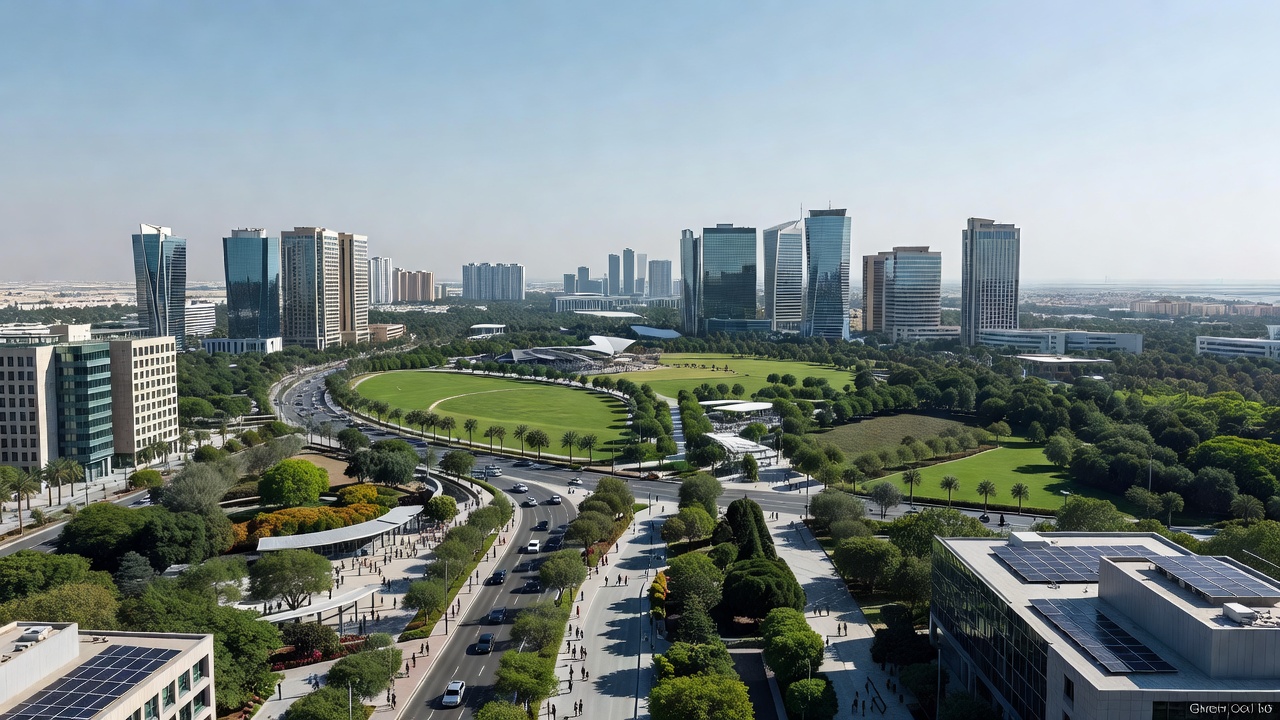
Sessions at XPANSE 2024 examined how sentient cities shape future of urban development, place people at centre of planning, integrating ambient intelligence with resident-focused design. The concept draws on Internet of Things applications and real-time data processing to create responsive urban environments that adapt to human needs and behaviours. WAM reported that such discussions positioned sentient cities as a framework for future planning that prioritises community well-being over purely technological expansion.
A PwC Middle East assessment of GCC digital transformation flagged smart city initiatives as among the region’s most active reform areas, with Abu Dhabi emerging as a hub for AI and data-driven urban solutions. The consultancy’s review noted reductions in processing times and improved service delivery as measurable outcomes of these projects. Industry data places the global smart cities market on a trajectory of sustained expansion, driven by investments in infrastructure that support sentient capabilities.
According to United Nations projections, nearly 70 percent of the world’s population will reside in urban areas by 2050, intensifying the demand for intelligent planning systems that respond dynamically to population pressures. World Bank data shows that integrated urban technologies can lower carbon emissions by as much as 30 percent in densely populated zones through optimised resource management. The sentient cities approach discussed at XPANSE 2024 aligns with these benchmarks by embedding citizen input into adaptive infrastructure networks.
Minister of State for Entrepreneurship Alia Abdullah Al Mazrouei delivered a keynote on Abu Dhabi’s evolution as a finance and technology centre, according to event coverage by WAM. She emphasised harnessing technological transformations in ways that deliver tangible benefits to residents and communities. Faisal Al Bannai, Secretary General of the Advanced Technology Research Council, addressed the role of deep tech collaboration in advancing urban innovation during the forum.
The XPANSE 2024 agenda connected sentient cities with parallel tracks on quantum computing, artificial intelligence and genomics, illustrating the interdisciplinary requirements of next-generation urban systems, the Emirates News Agency detailed. Organisers positioned the conference as a platform for charting technology pathways that remain grounded in human priorities. Attendees explored practical applications ranging from responsive public services to sustainable energy distribution within sentient frameworks.