



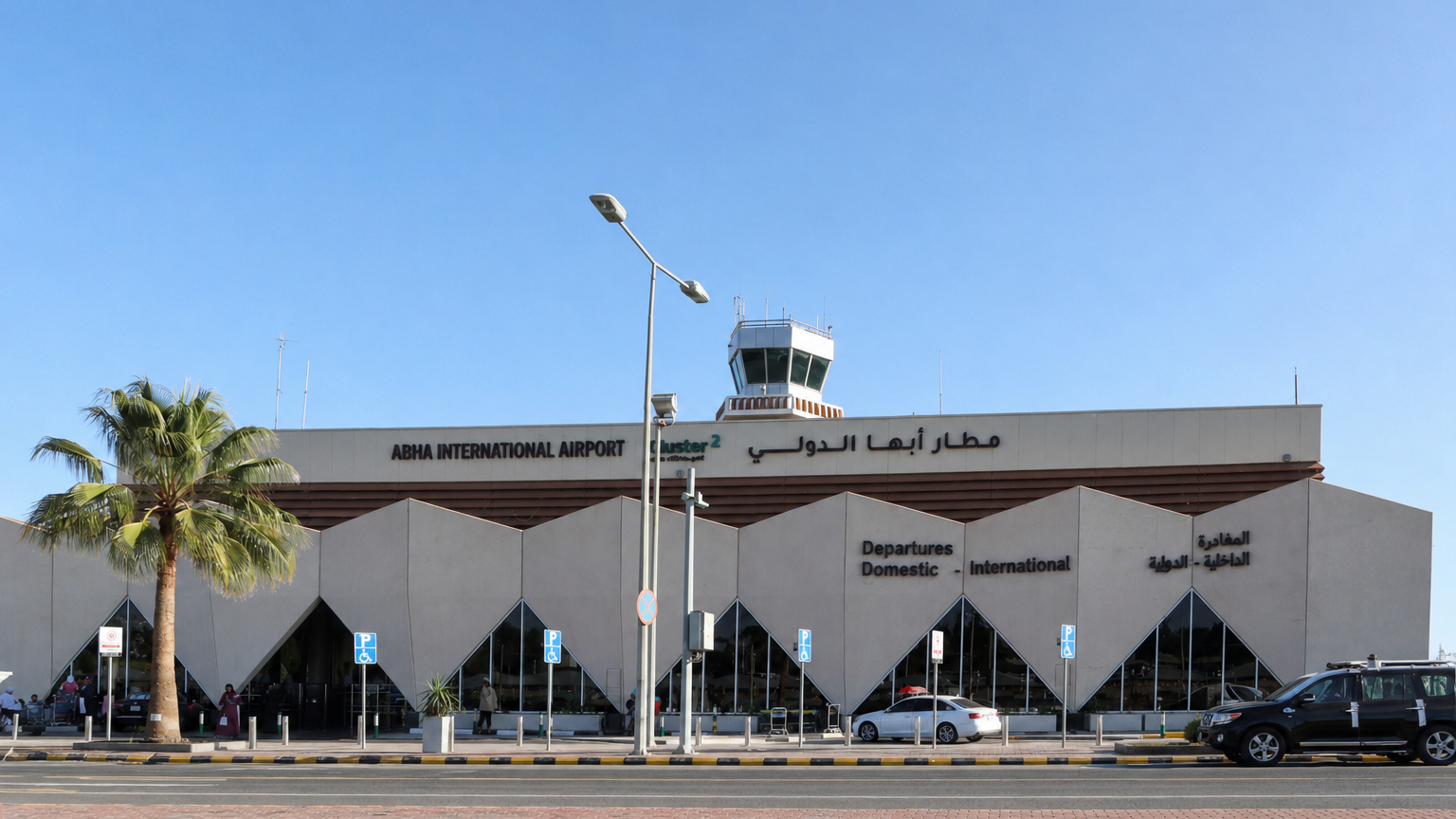

The Ministry of Foreign Affairs has strongly condemned the Houthi militia’s attacks on King Khalid International Airport in Riyadh and Abha International Airport, according to a statement issued on Wednesday. The attacks resulted in injuries to civilians and material damage at the two facilities, the ministry noted. It expressed the UAE’s full solidarity with Saudi Arabia, its leadership and its people while supporting all measures the kingdom takes to protect its security and the safety of its citizens.
In the statement distributed by the Emirates News Agency, the ministry described the Houthi actions as a dangerous escalation and a threat to regional and international security and peace. It called on the international community to assume its responsibilities and take a firm and decisive stance against the Houthi militia. The aim, the statement added, is to stop the group’s terrorist activities that target the security and stability of the region.
Houthi attacks on Saudi airports have occurred periodically since the start of the Yemen conflict in 2015, with Saudi-led coalition data recording hundreds of such incidents over the years. A 2024 report by the International Institute for Strategic Studies highlighted how the Houthis have acquired advanced unmanned aerial vehicles capable of reaching targets across the border. The group often claims responsibility for strikes on civilian infrastructure as part of its campaign against the Saudi-led intervention.
Previous assaults, such as the 2019 strike on Abha airport that wounded 26 people according to Saudi health authorities, prompted enhanced security protocols at aviation facilities across the kingdom. The Saudi Press Agency has regularly updated on interceptions by air defense systems that have prevented greater harm in many cases. These events have drawn widespread international condemnation from bodies including the Arab League and the United Nations Security Council.
The UAE has been an active member of the Saudi-led coalition supporting the internationally recognized Yemeni government, contributing to operations aimed at countering Houthi advances since March 2015, official coalition communiques show. This partnership extends to diplomatic efforts to resolve the conflict through negotiations, with both countries backing UN-mediated talks. Recent developments in the Red Sea have further complicated the security landscape, linking Houthi activities to broader maritime threats.
Analysts from the Washington-based Middle East Institute have pointed to the Houthis’ alignment with Iranian interests as a factor in the persistence of cross-border attacks. A separate assessment by the US State Department has listed the group among entities involved in destabilizing activities in the Arabian Peninsula. The latest UAE statement reinforces a unified Gulf position against such provocations that endanger civilian lives and regional connectivity.