



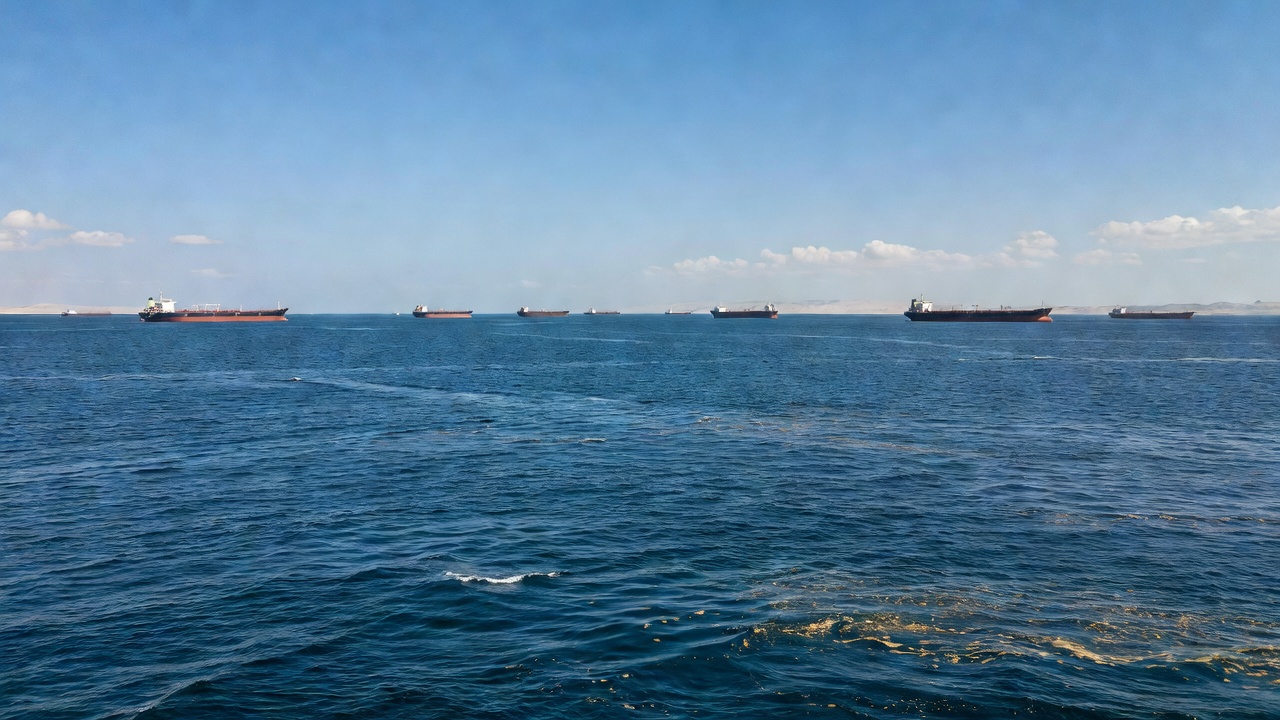

The Emirates News Agency reported that Bahrain’s Foreign Ministry strongly condemned the Iranian attack on the UAE’s ADNOC vessel in a statement posted on X. The ministry expressed full solidarity with the UAE while calling for an immediate end to actions that endanger international shipping and regional stability. Its position reflects a broader GCC response to repeated incidents in the vital waterway.
The assault on August 8 marked the 16th Iranian strike on an ADNOC vessel since the current regional conflict began, The National reported. The UAE Foreign Ministry separately described the missile attack as a flagrant violation of UN Security Council Resolution 2817, which demands respect for freedom of navigation. No injuries were reported in the latest incident.
A United Nations document detailing Resolution 2817 adopted in March 2026 states that the measure condemns Iranian attacks on neighboring states and any threats to obstruct passage through the Strait of Hormuz. The resolution calls on Iran to comply with international law and cease all provocations against commercial vessels. It secured a record 136 co-sponsors, indicating wide international backing.
US Energy Information Administration data places average oil flows through the Strait of Hormuz at 20.9 million barrels per day during the first half of 2025, representing about 20 percent of global petroleum liquids consumption. Primary destinations include China, India, Japan and South Korea, which together receive the bulk of these shipments. Saudi Arabia, Iraq and the UAE rank among the largest exporters transiting the chokepoint.
Qatar, Jordan, Kuwait and Saudi Arabia issued comparable condemnations of the Iranian action, according to regional media accounts. Their statements uniformly characterized the strike as a breach of international maritime norms with risks to global energy security. The coordinated diplomatic push highlights shared concerns over escalating threats to commercial routes.
Maritime traffic through the strait has remained below pre-conflict levels of 130 to 140 vessels daily amid the ongoing tensions, industry analyses show. Significant diversions occurred earlier in the year, with more than 95 percent of normal shipping avoiding the area at the peak of hostilities, Britannica noted in its review of the 2026 Iran conflict. Authorities continue to track developments for potential effects on worldwide oil supplies.