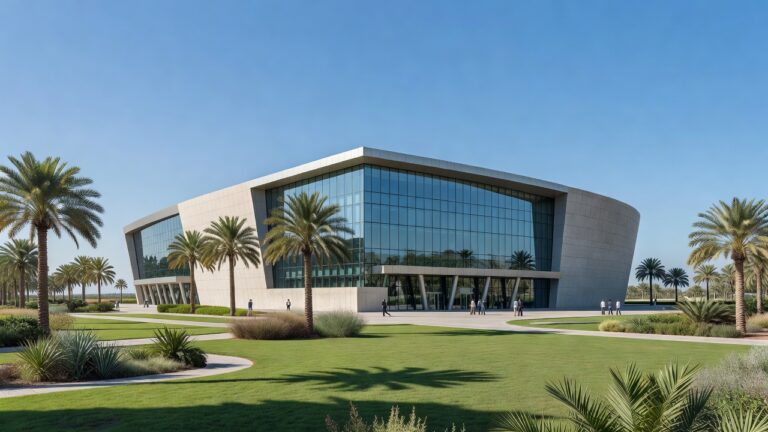



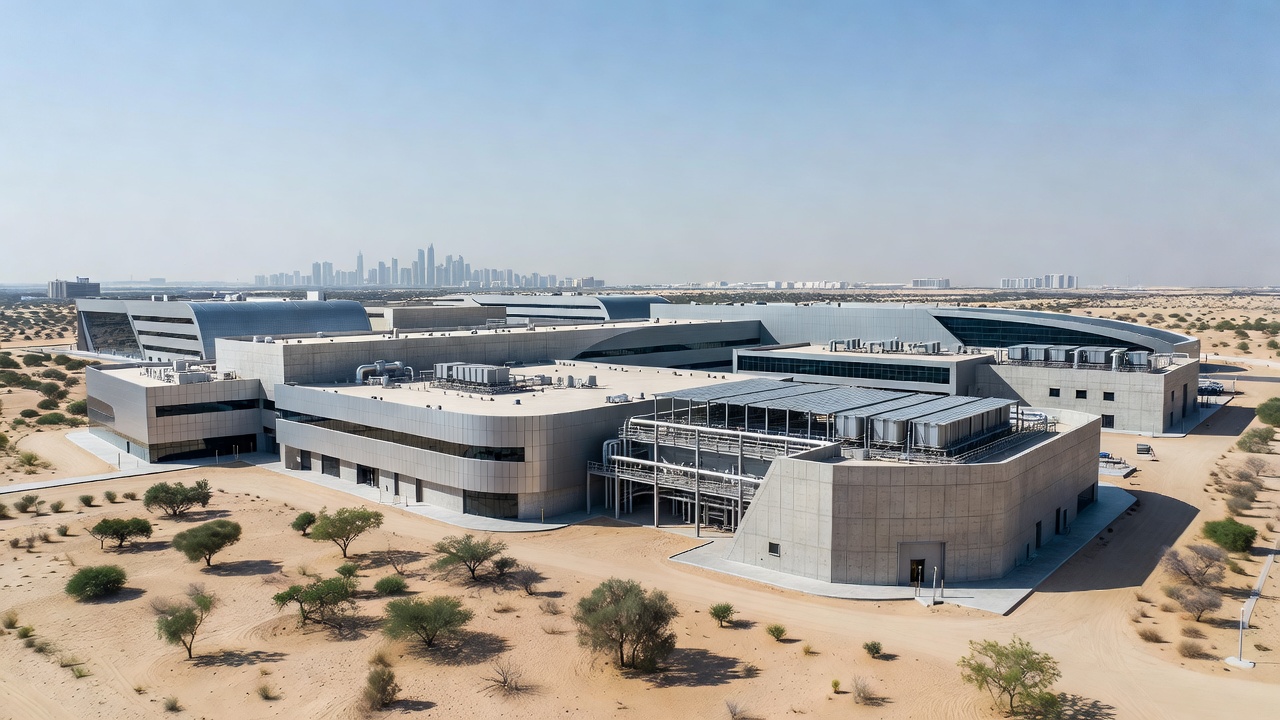

The Emirates News Agency reported that experts at a recent forum emphasized the combined power of the ‘Make it in the Emirates’ drive and AI advancements in shaping the country’s infrastructure for the coming years. Discussions centered on leveraging local production and intelligent systems to support large-scale projects across energy, transport and urban development sectors. The event aligned ongoing initiatives with national goals for economic diversification beyond traditional industries. Participants reviewed how these elements could accelerate progress while addressing sustainability and efficiency demands.
A document outlining the UAE National AI Strategy 2031 states that providing data and supporting infrastructure is essential to position the country as a global test bed for artificial intelligence applications. The strategy, first launched in 2017, includes objectives for secure data systems, strong governance and collaboration with leading research institutions. It aims to integrate AI across government and private sectors to foster innovation and productivity. The framework has guided investments that prioritize AI-ready infrastructure from the outset.
A PwC assessment found that artificial intelligence is projected to contribute 14 percent to the UAE’s GDP by 2030. This anticipated impact requires robust underlying infrastructure to enable AI deployment in key areas including logistics, healthcare and energy management. The consultancy’s review of regional trends placed the UAE among leaders in adopting such technologies for economic growth. Realizing these gains depends on coordinated development of supporting systems over the next several years.
Fortune reported in June that the Stargate UAE project, involving G42 in partnership with OpenAI, Microsoft, Oracle, Nvidia and SoftBank, will build a massive AI data center campus in Abu Dhabi at an estimated cost of $30 billion. The facility is designed to deliver up to 5 gigawatts of computing power, with the first 200-megawatt phase scheduled to come online before the end of 2026. This development forms part of broader efforts to expand AI infrastructure capacity well beyond current levels. The campus size exceeds that of Monaco and will support advanced computational needs.
Organizers of the Make it in the Emirates 2026 event said the gathering showcased AI-enabled solutions and autonomous systems aimed at industrial transformation and local value creation. A tahawultech.com article published in May noted that du Tech powered an Intelligence Hub at the event to demonstrate practical AI applications for sectors including manufacturing and supply chains. Company statements highlighted how these technologies integrate with national priorities for in-country production. The initiative encourages partnerships that localize advanced capabilities within the UAE.
The Ministry of Industry and Advanced Technology has promoted the ‘Make it in the Emirates’ program as a platform for attracting investment and building resilient supply chains for infrastructure projects. Industry participants at the forum pointed to opportunities in optimizing construction processes, predictive maintenance and resource allocation through AI tools. These approaches are expected to reduce costs and timelines while enhancing project outcomes. Such integration forms a core element of the country’s long-term infrastructure vision.