



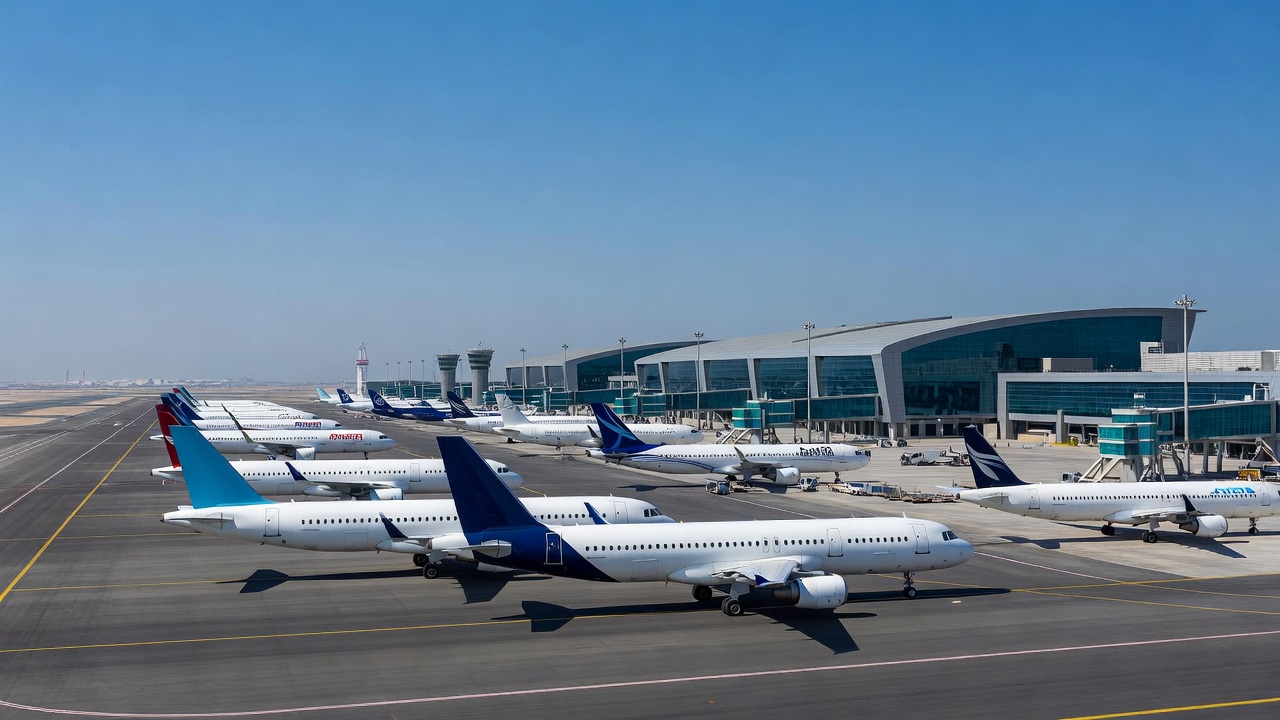

The General Civil Aviation Authority reported that the fleets of the UAE’s national carriers comprise 554 aircraft. This share represents more than 55 percent of all planes in the national registry. The authority linked the expansion to the overall strength of the air transport sector and the central role national carriers play in worldwide connectivity.
H.E. Saif Mohammed Al Suwaidi, Director General of the General Civil Aviation Authority, stated, “Surpassing the milestone of 1,000 registered aircraft represents a significant achievement for the UAE and reflects the continued growth of our civil aviation sector, as well as the confidence placed in the country’s regulatory framework by airlines, aircraft owners and operators from around the world.” Al Suwaidi added that the milestone demonstrates the success of the UAE’s long-term vision of creating an enabling environment that supports sustainable growth, innovation and global competitiveness. He noted that the National Aircraft Registry has evolved alongside the remarkable development of the UAE’s civil aviation sector.
According to Al Suwaidi, the GCAA continues to strengthen the country’s position in global aviation through continuous investment in legislative and regulatory frameworks together with the development of smart services. Eng. Aqeel Al Zarooni, Assistant Director General for Aviation Safety Affairs at the GCAA, said, “This milestone reflects the maturity, efficiency and international credibility of the UAE’s aircraft registration system.” Al Zarooni added that the system, operating fully in accordance with international standards, delivers streamlined, transparent and reliable services that meet the evolving needs of aircraft owners and operators.
Al Zarooni stated that the GCAA continues to enhance its registration services through smart digital transformation, continuous regulatory improvement and risk-based oversight. These steps ensure that the National Aircraft Registry keeps pace with the sustained growth of the aviation sector while upholding the highest levels of aviation safety, operational excellence and regulatory compliance. The progress coincides with broader GCAA efforts to update legislation, simplify procedures and expand digital services under the Government for Business Programme and the Zero Bureaucracy Programme.
A Gulf News report from September 2025 placed the registry at 960 aircraft, including 520 operated by national carriers at that time. The subsequent rise above 1,000 within roughly 10 months illustrates accelerated sector expansion according to available industry data. The GCAA earlier reported that the UAE recorded more than 1 million air movements in 2024, accompanied by an average air traffic growth rate of 10.3 percent compared with 2023.
UAE airports handled 75.4 million passengers in the first half of 2025, an increase from 71.7 million in the corresponding period of the previous year, according to aviation authority figures cited by Gulf Business. This passenger growth corresponds with the larger registered fleet supporting higher demand levels. A Mordor Intelligence sector assessment projected the Middle East aviation market to expand from 28.64 billion U.S. dollars in 2025 to 30.07 billion in 2026.
The UAE maintains six national carriers, among them Emirates, Etihad Airways and flydubai, which together form a substantial portion of the registered aircraft according to GCAA data. The country operates eight international airports that underpin its status as a global aviation hub. Ongoing regulatory enhancements by the authority are expected to sustain further registry growth in line with sector requirements.