



Sheikh Hamdan bin Mohammed bin Rashid Al Maktoum made the remarks while reviewing operations and plans at the Department of Economy and Tourism. The Crown Prince highlighted the need for stronger integration between public and private sectors to attract investment, spur economic expansion and preserve the emirate’s standing as a global competitor. He called for practical steps, improved facilitation processes and fresh innovations to build long-term resilience against external pressures. The approach reflects Dubai’s ongoing efforts to adapt quickly to shifting international conditions while sustaining momentum across key industries.
“During a review of the Department of Economy and Tourism’s operations and plans to strengthen economic resilience and accelerate growth, I stressed the importance of public-private sector integration in driving investment, economic growth, and Dubai’s global competitiveness,” Sheikh Hamdan said. “We remain committed to supporting the economy and tourism sector through practical measures, enhanced facilitation, and innovative solutions that strengthen Dubai’s future readiness and ability to adapt to change.” The statements arrived months after regional tensions from the US-Israel-Iran conflict had slowed visitor arrivals in the first quarter of 2026.
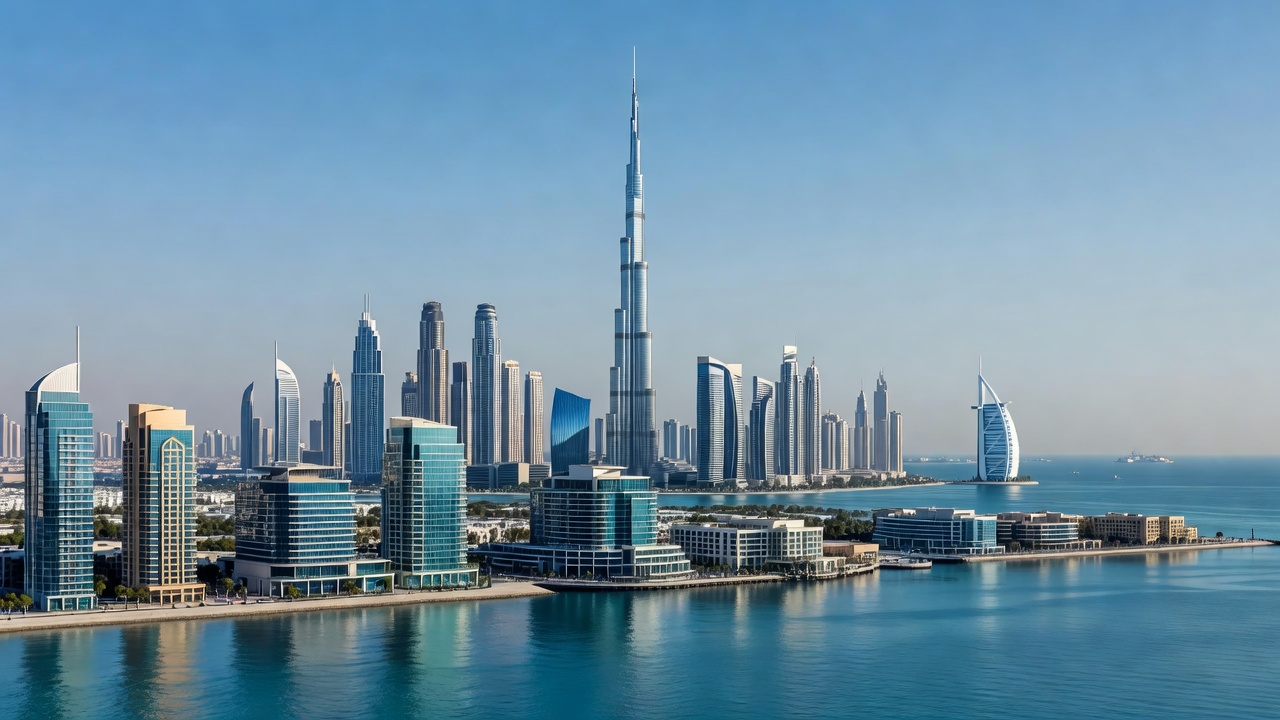
Geopolitical uncertainty that escalated on February 28 disrupted travel demand throughout the UAE, according to Gulf News. Luxury properties including the Jumeirah Burj Al Arab, Anantara World Islands Dubai Resort, Armani Hotel Dubai and Park Hyatt Dubai suspended operations temporarily for refurbishments during the quieter period. A conditional ceasefire reached on April 7 and extended indefinitely on April 21 helped restore confidence and accelerate the sector’s recovery in subsequent weeks.
Dubai Airports projected nearly 194,580 passengers on May 31, marking the busiest single day in that window, airport officials reported. More than 67,000 travellers departed on May 23, which ranked as the peak departure date. These figures signalled a swift return to pre-tension levels following the earlier slowdown that affected regional aviation and hospitality alike.
A World Travel and Tourism Council assessment found the UAE tourism sector contributed AED267.5 billion to the national economy in 2025, equivalent to nearly 13 per cent of GDP. International visitor spending reached a record AED228.5 billion that year, the council’s data showed. Dubai itself recorded 19.59 million international tourist arrivals in 2025, according to Department of Economy and Tourism figures that underscore the emirate’s central role in national performance.
Sheikh Hamdan voiced confidence in local capabilities and international partnerships to convert difficulties into sustainable advances. “We are confident in the capabilities of Dubai’s teams and global partners to transform challenges into opportunities and drive sustainable development forward,” he said. The comments preceded a stakeholder gathering organised by the Department of Economy and Tourism to align on next steps.
The department signed a strategic pact with HSBC Bank Middle East last month to lure international firms, institutional investors and high-net-worth individuals, a Dubai Media Office statement indicated. The tie-up seeks to deepen links with Asian financial centres and cement Dubai’s position as a hub for investment, trade and treasury functions. A Statista projection placed Dubai’s direct tourism contribution to UAE GDP at $20.9 billion for 2026, illustrating the sector’s continued significance.