


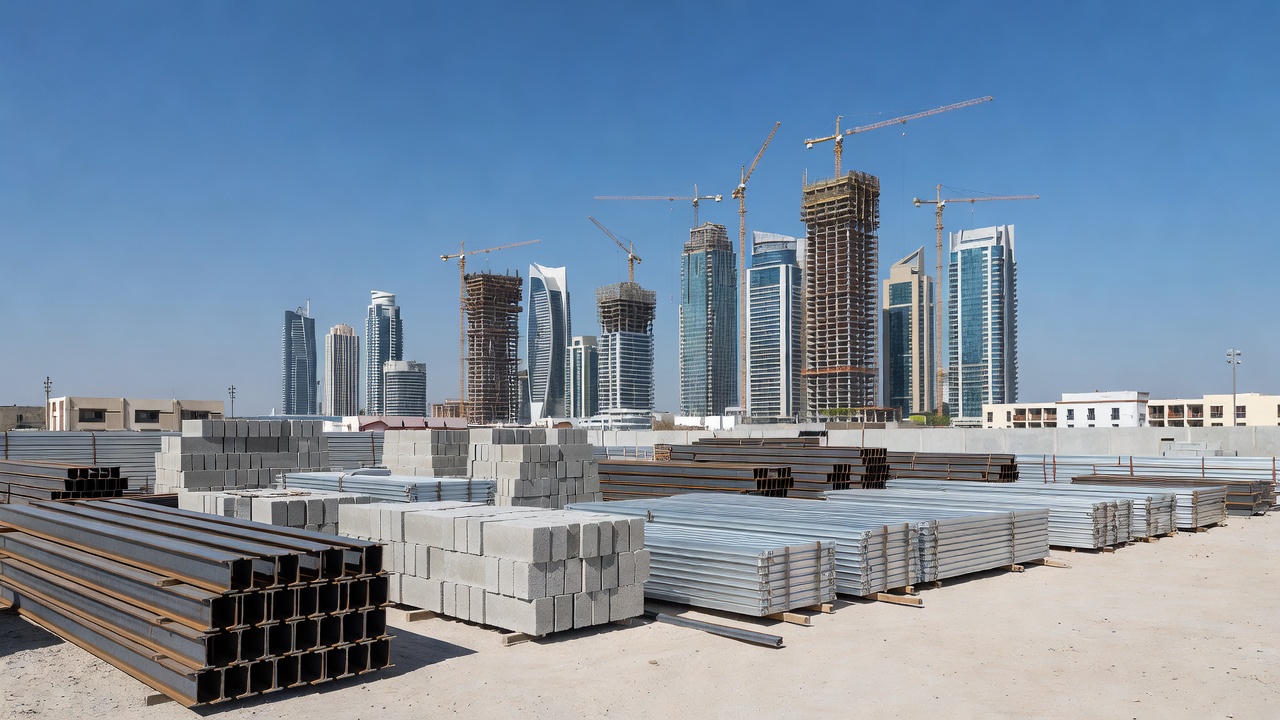

UAE contractors have absorbed higher building material costs to sustain real estate sector growth in the wake of the US-Iran conflict earlier this year, according to a Moody’s report published on July 1. The ratings agency said imported building material costs have risen by up to 25 per cent from pre-conflict levels due to rerouted supply chains and extended lead times for shipments. Contractors appear able to absorb the additional pressure for now as their margins strengthened during the recent upcycle in the UAE real estate market providing some buffer while labour shortages have eased compared to pre-conflict conditions, Moody’s stated. Developers have supported contractors in maintaining project momentum resulting in construction continuing as planned and inventory levels remaining adequate.
Major developers rated by Moody’s including Aldar Properties in Abu Dhabi, Emaar Properties and Damac Real Estate in Dubai as well as Arada Developments in Sharjah generally rely on third-party contractors yet remain protected in the near term either by fixed-price construction contracts or by locking in material prices in advance. This approach limits the effect on cash flows and margins through the next 12 months according to the Moody’s assessment. Some firms benefit from vertically integrated business models that provide greater control over procurement and construction processes advantages that are particularly important in the current disrupted logistics environment, the agency added.
Demand has shown varied resilience across emirates with Abu Dhabi and Sharjah proving most robust amid a rise in domestic buyers while Dubai which relies more on investors saw off-plan transaction values fall more than 50 per cent in June compared with February according to Dubai Land Department data. Developers have maintained discipline in pricing and payment plan structures often offering incentives such as registration fee waivers to attract buyers, Moody’s reported. Scale, reputation and operational capabilities are emerging as key differentiators across the sector, Moody’s analysts said.
The report arrives after US strikes on Iran that began in February 2026 triggered broader supply chain volatility with Moody’s earlier analysis noting jumped energy prices and prevailing risk-off sentiment in markets. Industry assessments from sources such as Turner & Townsend had anticipated construction cost increases of around 5 per cent in Abu Dhabi and Dubai through 2025 prior to the escalation but actual rises have exceeded those projections amid the conflict. Rystad Energy estimated a reconstruction bill reaching $58 billion for affected regional energy sites further highlighting pressures on labour and resources according to engineering reports.
Global building material prices have faced additional strains from the disruptions with steel climbing 17 per cent and aluminum more than 30 per cent in the lead-up period per producer price indices while tariffs and freight volatility compounded challenges for construction procurement. A PwC Middle East survey conducted before the conflict had pointed to strong expectations for infrastructure spending across the region that have since been tested by these developments. Despite the headwinds the UAE property market has largely weathered negative impacts with ongoing megaproject investments sustaining activity.
The Emirates secured ranking as the world’s leading real estate investment destination in Arada’s UAE Property Investment Index released the previous month reflecting continued appeal to local and international buyers. Moody’s noted that developers are taking steps to preserve liquidity following conversations with rated companies while overall resilience has exceeded expectations of many market observers. Credit profiles of developers will continue to be shaped by the geopolitical landscape, foreign investor sentiment, population trends, upcoming supply from under-construction projects and payment structures of new launches, the report concluded.