


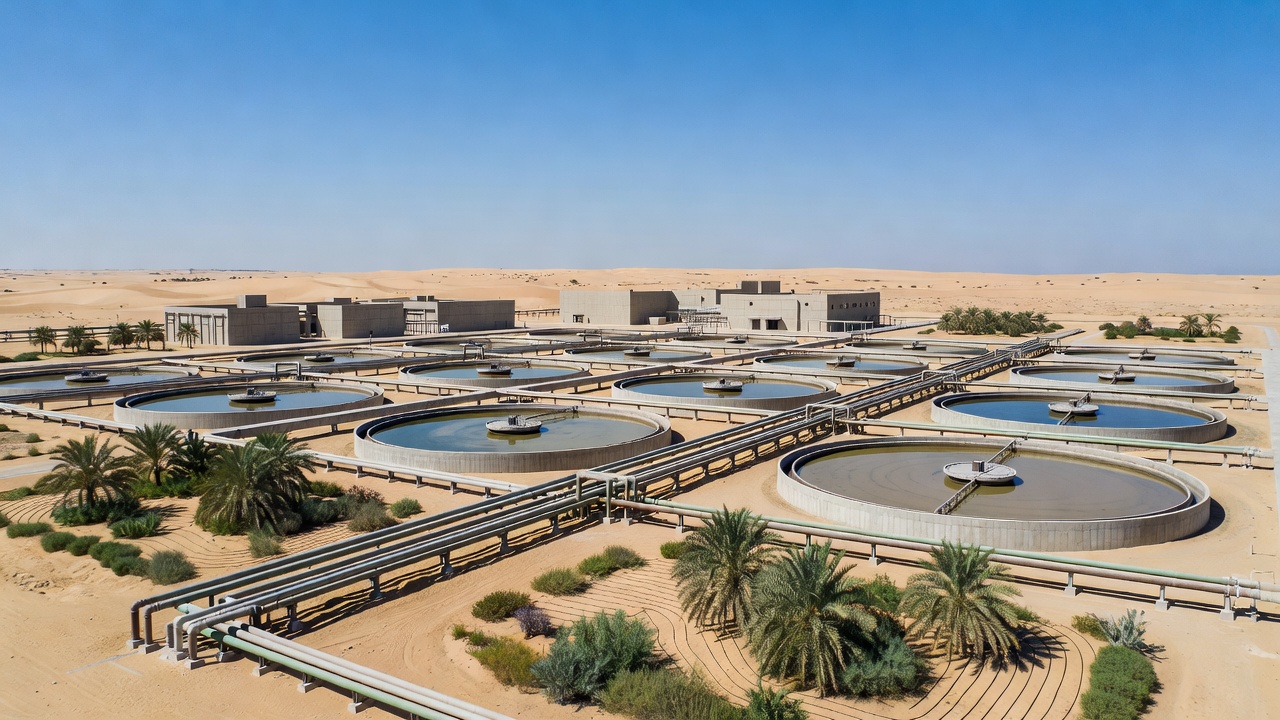

BEEAH and EtihadWE have entered into a JDA to multiply wastewater treatment capacity in Sharjah as part of ongoing efforts to enhance environmental infrastructure in the emirate according to a statement from the parties. The agreement combines the environmental management expertise of BEEAH with the water utility operations of EtihadWE to address rising demand driven by population and industrial growth. A wastewater treatment plant established by BEEAH in the Al Sajah area provides the foundation for the expansion according to company records from its opening. The partnership will explore options to scale operations while maintaining compliance with environmental regulations across Sharjah.
Construction Week Online reported in 2019 that the existing BEEAH facility held an initial daily processing capacity of 300 cubic metres when it opened. The new joint development agreement seeks to build directly on such infrastructure to achieve substantially higher throughput in the coming years. EtihadWE operates water and electricity services across Sharjah and neighbouring northern emirates where similar utility projects have been implemented. The JDA includes provisions for joint planning and technology assessment to ensure the multiplied capacity supports broader water reuse objectives in the region.
Utilities ME reported that EtihadWE recently led a consortium for a wastewater treatment plant in Ras Al Khaimah with an initial capacity of 60,000 cubic metres per day serving up to 300,000 people. That project offers a benchmark for the scale that could be targeted under the Sharjah agreement with BEEAH. BEEAH has achieved a 90 percent waste diversion rate from landfills in Sharjah according to figures published on the company’s website. The wastewater initiative will align with that track record by promoting circular economy principles through treated water applications such as irrigation.
The Emirates News Agency noted that the JDA reflects coordinated work between public and private entities to modernise Sharjah’s utilities sector. Both organisations will contribute resources toward feasibility work and eventual implementation phases under the signed framework. Population growth in the emirate has increased pressure on existing water systems according to regional development patterns documented by UAE authorities. The expanded treatment capacity is positioned to mitigate environmental risks associated with higher wastewater volumes generated by residential and commercial activity.
BEEAH maintains operations across waste collection, recycling and environmental services in the UAE according to its corporate overview. The addition of multiplied wastewater treatment through the EtihadWE partnership extends the group’s sustainability portfolio in its home emirate. Further details on specific capacity targets or timelines will emerge from the joint development process itself. The agreement underscores a structured approach to infrastructure planning that matches projected needs in Sharjah over the next decade.