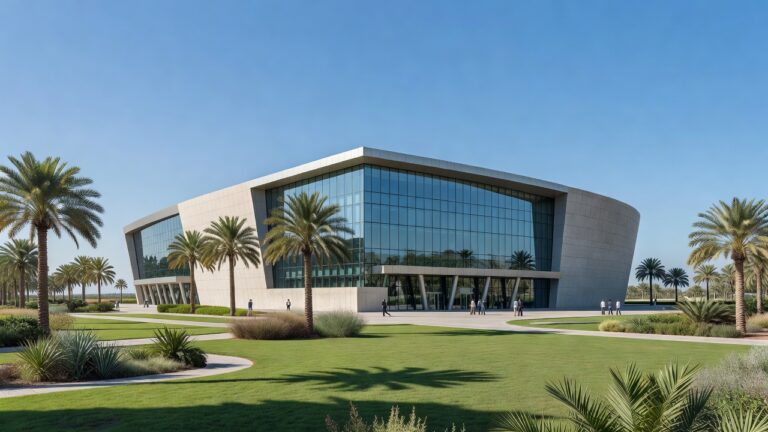



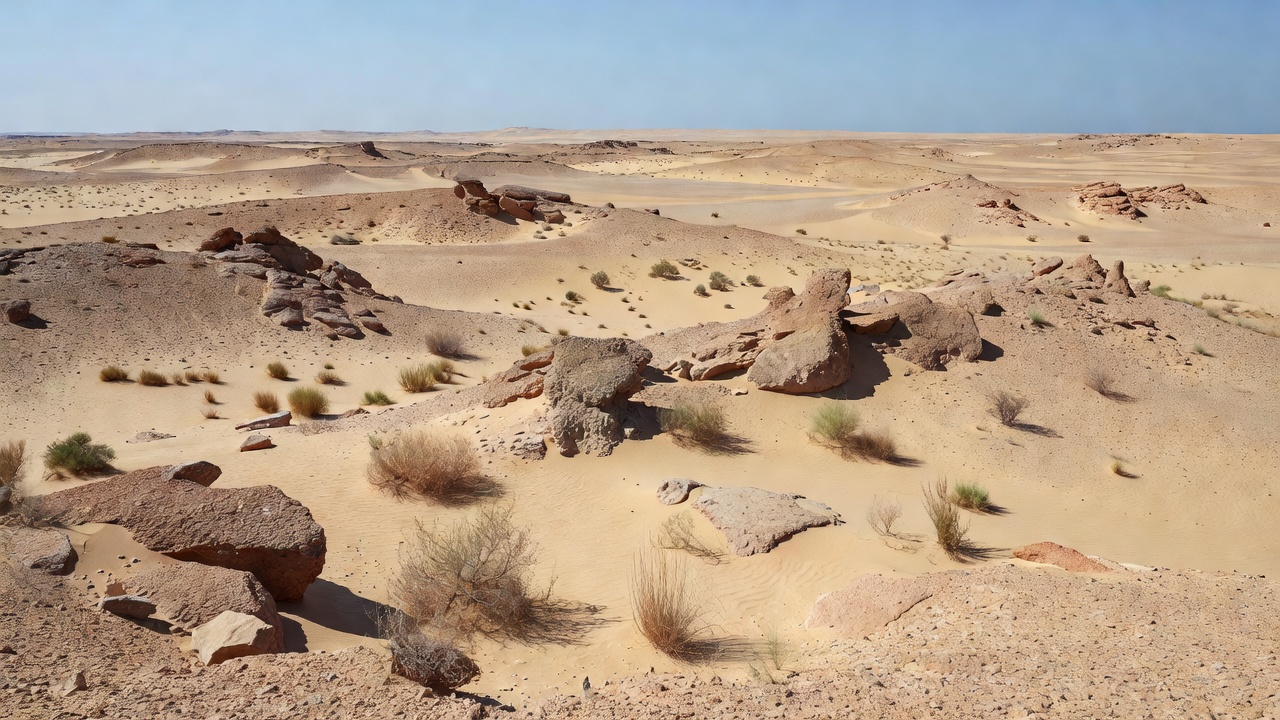

The Sharjah Archaeology Authority has detailed a series of conservation measures and research programmes to observe the first year since the Faya Palaeolandscape received UNESCO recognition, focusing on protecting the site’s unique archaeological value while expanding scientific understanding of early human resilience. According to the authority, these steps include the launch of a dedicated World Heritage Centre at the location and the introduction of a specialised grant scheme aimed at supporting targeted studies. The initiatives align with ongoing efforts to promote sustainable heritage management across the emirate and to engage both local communities and international researchers in preserving this significant palaeolandscape.
A two-million-dirham Faya Research Grant forms a central element of the anniversary programme, the authority reported, with funding directed toward short-term projects in archaeology, palaeoenvironmental studies, digital heritage modelling and conservation techniques. The grant scheme seeks to produce fresh scientific data that can inform future preservation strategies and deepen knowledge of the site’s historical layers. Applications for the programme are already open, with an emphasis on collaborative work that respects the site’s protected status and contributes to broader regional heritage goals.
UNESCO figures show the Faya Palaeolandscape covers a core zone of 29,085 hectares with an additional 65,841-hectare buffer area, situated between the Persian Gulf and the Arabian Sea. The United Nations agency inscribed the property in July 2025 under criteria (iii) and (iv), recognising it as the only Arab site added to the World Heritage List that year and the second such designation for the UAE after Al Ain in 2011. UNESCO describes the location as preserving evidence of human occupation from the Middle Palaeolithic and Neolithic periods spanning 210,000 to 6,000 years ago, noting that archaeological layers reveal how hunter-gatherers and pastoralists adapted to extreme climates alternating between arid and rainy periods every 20,000 years.
The authority has also established educational outreach and exhibition components to accompany the research push, according to its announcement, aiming to increase public awareness of the site’s role in understanding ancient migration and survival strategies. These activities build upon more than ten years of preparatory archaeological work that supported the successful UNESCO nomination. Officials indicated that the new World Heritage Centre will serve as a hub for both scholarly activity and visitor interpretation, offering facilities designed to balance access with long-term site protection.
Sharjah’s wider commitment to cultural preservation has been reinforced through these anniversary measures, the authority stated, positioning Faya as a key asset in the emirate’s strategy to safeguard its historical resources. The programmes are expected to attract international scholars and foster partnerships with global institutions focused on heritage science. Data from the grant scheme will contribute to updated management plans that ensure the site’s integrity for future generations while supporting related tourism and educational objectives.