



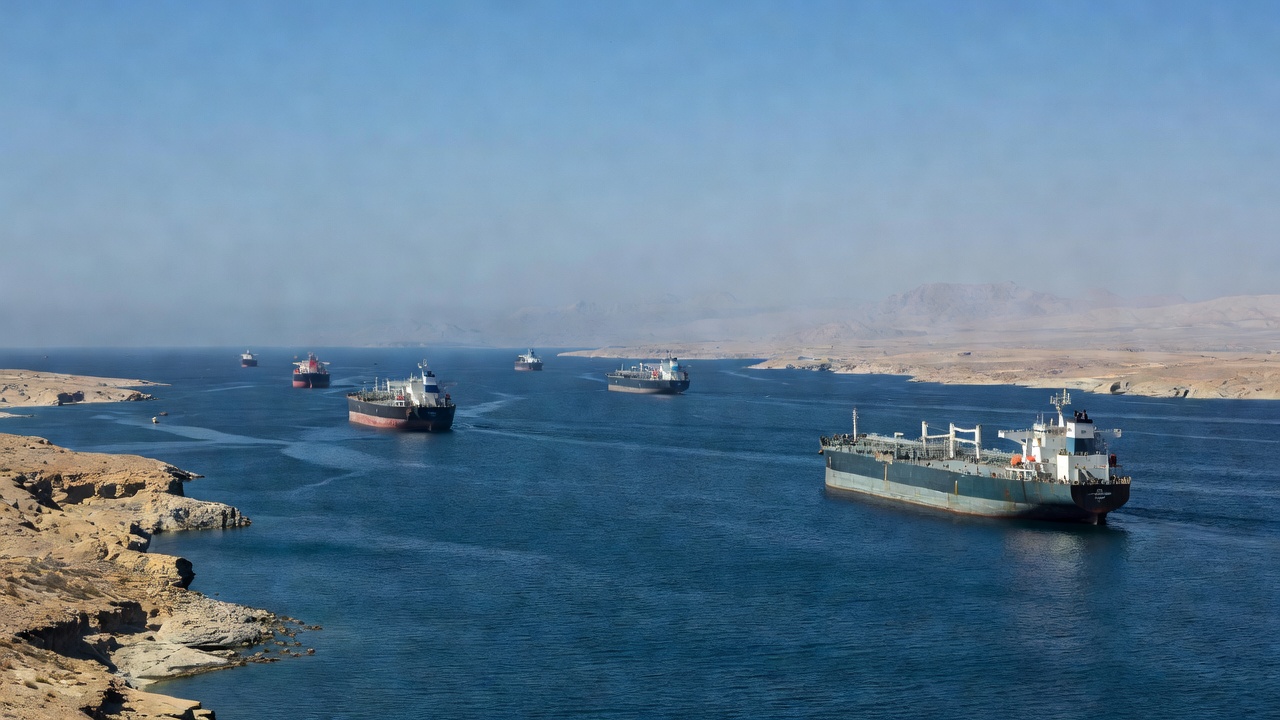

The Saudi Ministry of Foreign Affairs said in a statement that Saudi Arabia strongly condemns attack on Emirati tanker in Strait of Hormuz, terming the incident a grave threat to the safety of international navigation. The condemnation followed reports of Iranian cruise missiles striking Emirati vessels including the Mombasa and Al Bahiyah while they transited southern shipping lanes in Omani territorial waters. The ministry called for adherence to international law to prevent further escalation in one of the world’s busiest shipping routes.
U.S. Energy Information Administration data places average oil flows through the Strait of Hormuz at 20.9 million barrels per day in the first half of 2025, equivalent to roughly 20 percent of global petroleum liquids consumption. The majority of these volumes, both crude and petroleum products, head toward Asian markets, according to the agency. Any disruption carries the potential to affect energy prices and supply chains worldwide.
Separate statements from the United Arab Emirates Ministry of Foreign Affairs condemned the parallel Iranian attack on the Saudi-flagged crude oil tanker Wedyan in the same waterway. The UAE described the strikes as a dangerous escalation that undermines security in a critical global chokepoint. Both Gulf states have reiterated their support for freedom of navigation and stability across the region.
Gulf News reporting indicated that at least one person was killed in the attacks on the two UAE tankers. The incidents occurred amid heightened tensions that have also drawn statements from Egypt and Türkiye condemning the strikes on Saudi and Emirati targets. A related United Nations Security Council decision extended monitoring of Houthi activities affecting nearby shipping lanes.
International Energy Agency assessments from early 2026 noted that nearly 20 million barrels per day of crude and products had moved through the strait in the prior year before regional conflicts began to constrain flows. The agency highlighted limited bypass options for such volumes, underscoring the strategic importance of the passage. Saudi and Emirati coordination on maritime security has intensified in response to repeated threats in the area.
The Saudi foreign ministry statement emphasized the need for collective international action to protect commercial shipping and deter actions that use vital waterways for political pressure. It aligned with broader GCC positions on safeguarding energy infrastructure. Further diplomatic exchanges among regional partners continued in the weeks following the July attacks.