



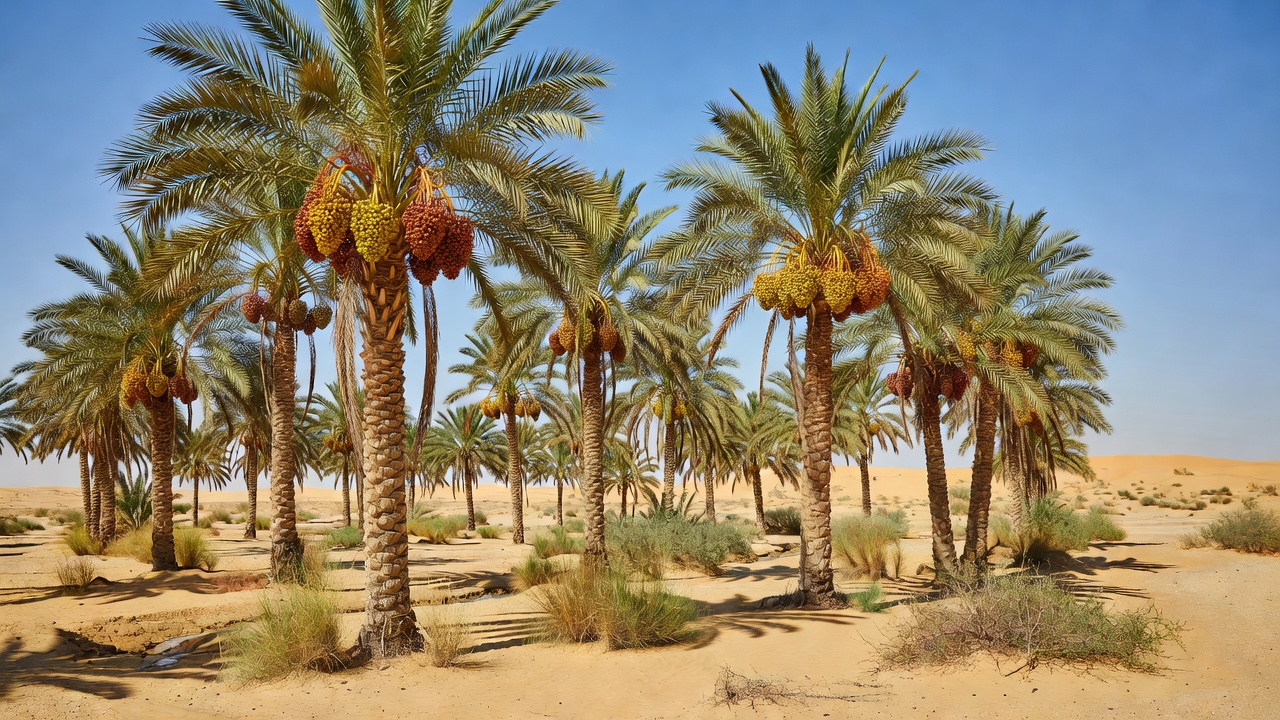

The Abu Dhabi Heritage Authority launches new date palm varieties inventory as part of its mandate to protect cultural assets tied to the region’s longstanding farming practices. According to the authority, the project will systematically record characteristics of both established and lesser-known cultivars adapted to local conditions over generations. This work draws on collaboration with agricultural specialists and community members who maintain traditional cultivation methods.
Emirates News Agency figures show the initiative aligns with national efforts to sustain biodiversity in arid environments where date palms have served as a foundational crop. The inventory process incorporates field observations, historical records and scientific classification to build a centralized reference. Such documentation supports ongoing research into resilience against environmental stressors affecting palm groves across the emirate.
The Food and Agriculture Organization has previously reported that date palm cultivation underpins food security and rural economies throughout the Arabian Peninsula, with the UAE maintaining significant production levels. In Abu Dhabi, the authority’s latest step extends earlier preservation programs focused on associated crafts, irrigation systems and folklore. Officials indicated the database will become a tool for both conservation planning and public education initiatives.
Community involvement forms a core element of the cataloging effort, ensuring that knowledge held by longtime cultivators informs the scientific record. The authority stated that selected sites will undergo detailed surveys to capture variations in fruit quality, tree structure and yield patterns. This approach seeks to prevent erosion of genetic resources that have defined Abu Dhabi’s landscape for centuries.
Separate data from the UAE Ministry of Climate Change and Environment highlight date palms’ continued role in the national agricultural strategy, including research into improved varieties. The heritage inventory complements these programs by emphasizing cultural value alongside commercial potential. Experts anticipate the compiled information will aid future propagation projects and tourism experiences centered on traditional oases.
The authority plans to update the inventory periodically as new findings emerge from expanded surveys and genetic studies. Initial results from the project are expected to be shared through dedicated exhibitions and online platforms. This transparency aims to foster wider appreciation for the crop’s place in the emirate’s identity.