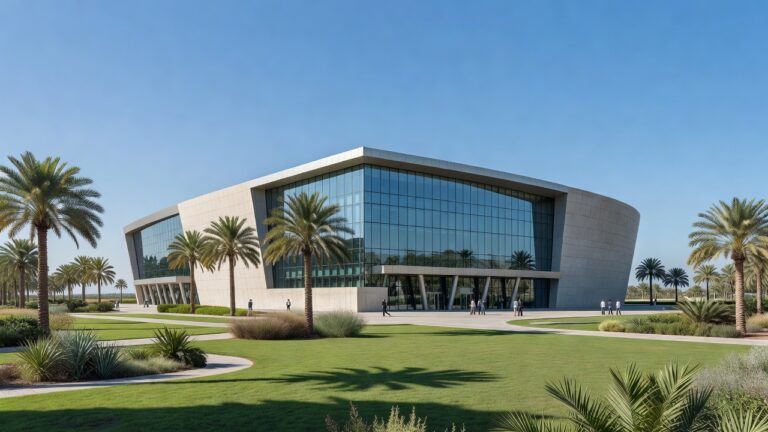

The festival organised by the Khalifa International Award for Date Palm and Agricultural Innovation in cooperation with Ethiopia’s Ministry of Agriculture featured 48 pavilions and 55 exhibitors from the United Arab Emirates Egypt Jordan Morocco Mauritania Ethiopia and Türkiye. Senior officials including Agriculture Minister Addisu Arega Kitessa Afar Regional State President Awol Arba undie and UAE Ambassador Abdalla Hassan Alshamsi attended the closing in the Afar region. The event which ran from September 20 to 22 included tours of displays showcasing Ethiopian date varieties traditional products and advanced cultivation equipment alongside workshops on industry challenges.
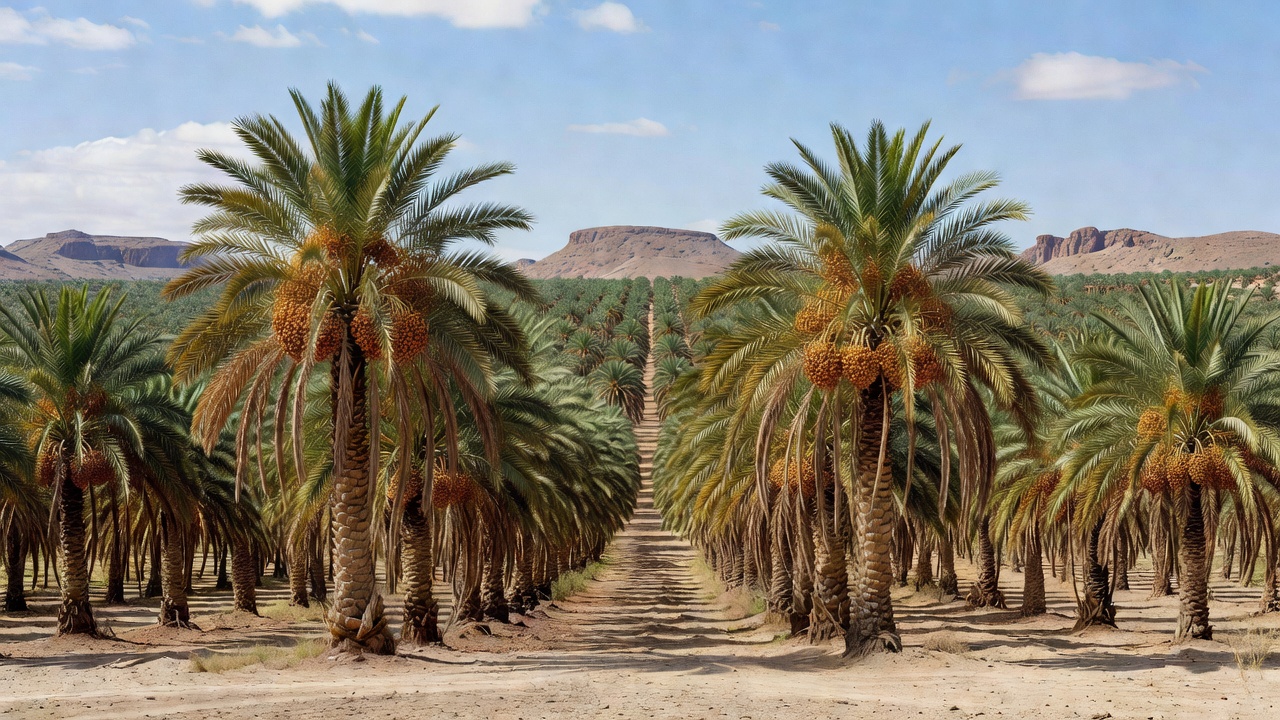
A report from Ecofin Agency stated that the Ministry of Agriculture presented a 10-year strategy at the gathering to expand date palm cultivation from the current 6 000 hectares to 25 000 hectares. The initiative aims to convert Ethiopia from a net importer into a producer generating surpluses for regional and international markets through strengthened institutions land mapping and producer cooperatives. Ministry assessments indicate that between 500 000 and 700 000 hectares across the country hold suitability for date palms leaving substantial potential untapped even after the targeted growth.
FAOSTAT figures from the Food and Agriculture Organization show global date production reached 9.66 million metric tons in 2023 with leading output from Egypt Saudi Arabia and Algeria. Ethiopia earned 4.55 billion dollars in agricultural export revenue during the 2025-2026 fiscal year according to government data with coffee accounting for 3.1 billion dollars of the total. The date palm push forms part of wider efforts to diversify farming in arid zones while creating jobs particularly in processing and value addition.
The Khalifa International Award has highlighted that each date palm tree absorbs around 360 kilograms of carbon dioxide per year supporting climate objectives. This aligns with Ethiopia’s Green Legacy initiative which promotes sustainable practices in regions such as Afar. The second edition built on the 2025 inaugural festival that drew participants from 10 countries and emphasised technology transfer and research findings.
Dr Abdelouahhab Alboukhari Zaid the secretary-general of the Khalifa International Award attended both the opening and closing sessions as the Emirates News Agency reported. The gathering facilitated experience sharing among producers and investors while promoting bilateral ties with the UAE through Erth Zayed Philanthropies. Exhibitors presented the latest equipment for irrigation harvesting and post-harvest handling to local farmers.
Competitions formed a key element as seen in the prior year when awards went to top performers in varieties such as Harissa and Boolo alongside recognition for the best farm and handicraft products. Winners in the first festival received 1 000 dollars each plus trophies and certificates according to organisers. The events seek to stimulate quality improvements and position Ethiopian dates for global competitiveness.