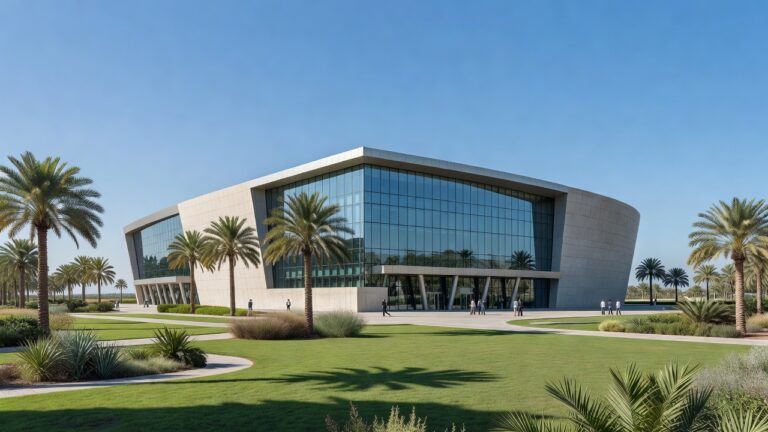




SEHA, the largest healthcare group in the Middle East, reported that its Sheikh Tahnoun Bin Mohammed Medical City achieved a clinical breakthrough by successfully managing a rare neurological condition in a 38-year-old male patient. The individual presented at the emergency department with dizziness, loss of consciousness and severe pain in his right upper limb. Episodes during sleep involving limb stiffening and frothy secretions from the mouth further complicated his condition, each lasting at least two minutes and followed by agitation and disorientation.
Specialised brain monitoring at the facility indicated temporal lobe epilepsy likely secondary to autoimmune limbic encephalitis, a rare form of brain inflammation whose exact cause remains uncertain. The patient, who has a history of well-managed diabetes and high blood pressure, received anti-seizure medications and immunoglobulins, resulting in medical stability with no further seizures observed. Ongoing testing continues to clarify the inflammatory process, SEHA said.
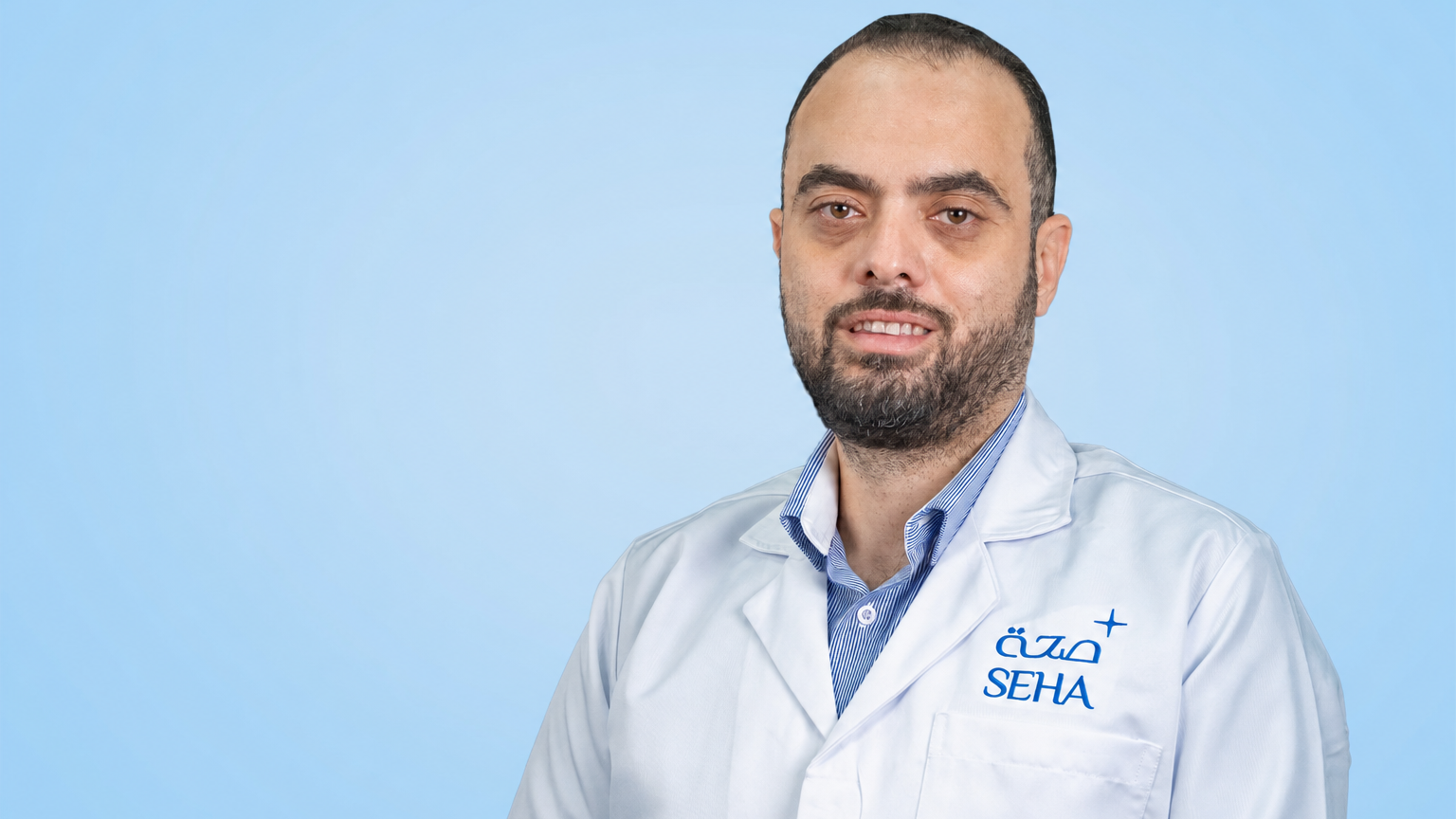
Neurologist Dr. Ahmed Samir Farw at Sheikh Tahnoun Bin Mohammed Medical City described the outcome as an extraordinary success of early recognition, multidisciplinary teamwork and treatment. “This case represents an extraordinary success of early recognition, multidisciplinary teamwork, and treatment,” he said. “Potentially disabling neurological conditions were identified and managed promptly, enabling the patient to regain full functional stability and quality of life. The rapid recognition and collaborative approach of our care team ultimately saved the patient’s life.”
The medical city, which features the UAE’s first stroke unit and a standalone rehabilitation centre, operates as a teaching and research hospital affiliated with United Arab Emirates University. This integrated model supports coordinated care across specialties, enhancing outcomes for complex neurological cases. SEHA, a subsidiary of PureHealth, oversees this facility as part of its network serving the region.
A systematic review published in BMC Neurology found that the average crude prevalence of multiple sclerosis in the UAE stands at 56 per 100,000 people, while the age-standardised rate of disability-adjusted life years for all neurological disorders reached 3,647 per 100,000 population in 2015. The incidence of ischaemic stroke was reported among the highest globally. These figures underscore the importance of advanced facilities like Sheikh Tahnoun Bin Mohammed Medical City in addressing the growing burden of neurological conditions across the country.
Cleveland Clinic Abu Dhabi’s Neurological Institute performed over 600 neurosurgeries in 2024, illustrating the expanding capacity for specialised neurological interventions in the UAE. Similar advancements at other institutions highlight a broader trend toward local expertise in treating complex brain disorders that previously required overseas treatment. The successful handling of this rare case at Sheikh Tahnoun Bin Mohammed Medical City adds to the portfolio of high-level care available within Abu Dhabi.