



Sheikh Humaid bin Rashid Al Nuaimi, Member of the Supreme Council and Ruler of Ajman, issued a statement through the Emirates News Agency underscoring the enduring importance of Union Pledge Day as the nation observes the 55th anniversary of the pivotal 1971 signing. The ruler extended congratulations to President His Highness Sheikh Mohamed bin Zayed Al Nahyan and other leaders while praying for the country’s continued stability, security and prosperity in the years ahead. His remarks align with a growing emphasis on the day’s role in reinforcing national unity across all emirates.
In the statement Sheikh Humaid bin Rashid described how Union Pledge Day marks a historic milestone that laid foundation for UAE’s journey toward unprecedented advancement since the Founding Fathers gathered on July 18, 1971. He recalled the vision of the late Sheikh Zayed bin Sultan Al Nahyan and fellow rulers whose pledge created the framework for a modern federation formally established on December 2 that year. The occasion, formally designated by presidential decree, serves as an annual reminder of the collaborative spirit that overcame historical divisions.
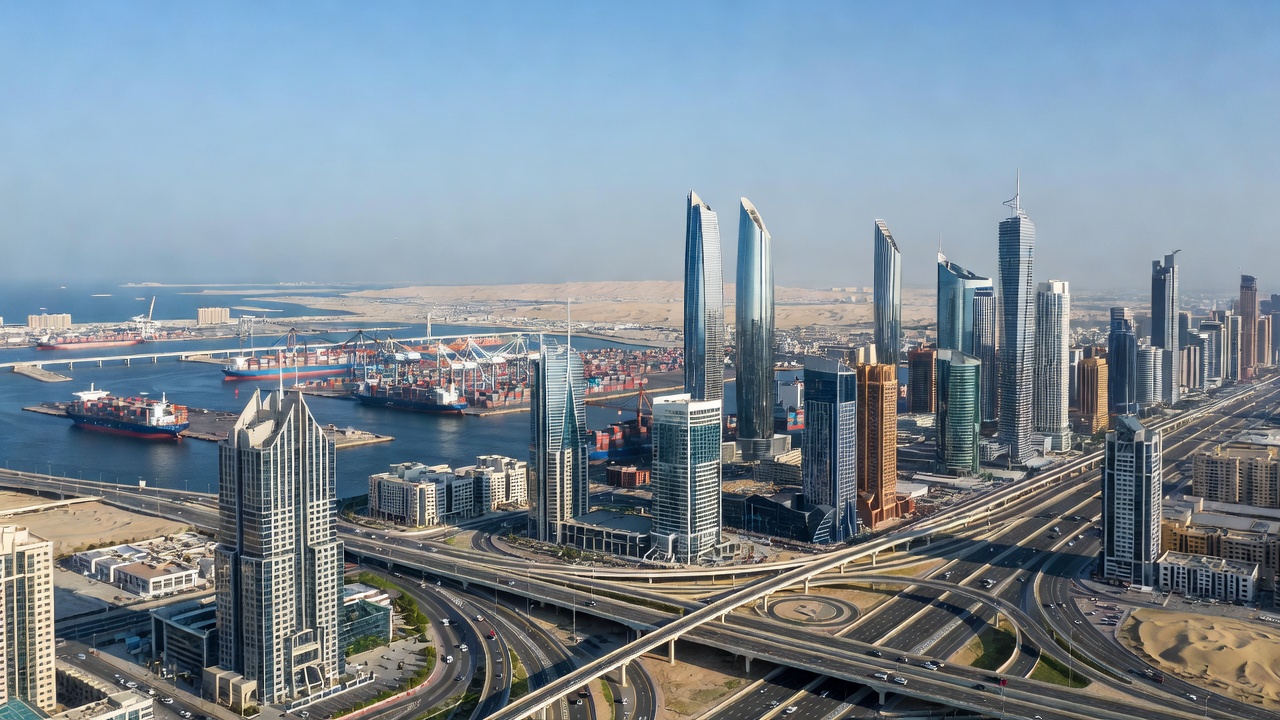
World Bank data shows the UAE economy has expanded from roughly $2.4 billion in the early 1970s to more than $550 billion by 2024, illustrating the transformative impact of the union forged on that historic day. Non-oil sectors now account for the bulk of economic activity, according to official assessments, with diversification driving innovation in finance, tourism, logistics and advanced technology. These gains have elevated the UAE to a prominent position in global competitiveness indexes compiled by international organisations.
Federal Competitiveness and Statistics Centre figures place the national population at over 10 million residents today compared with fewer than 500,000 at the time of the 1971 pledge, reflecting the federation’s success in attracting talent and fostering opportunity. Infrastructure projects spanning airports, ports and smart cities have positioned the country as a vital international hub, a status built directly on the stability secured through early unification efforts. Regional benchmarks from Gulf Cooperation Council reports highlight how the UAE’s model has influenced broader Arab economic integration initiatives.
Other rulers joined in marking the day with parallel messages that echoed the themes of loyalty and shared ambition, reinforcing a collective commitment to the founding principles. Sheikh Mohammed bin Rashid Al Maktoum, Vice President and Prime Minister of the UAE and Ruler of Dubai, described the 1971 alignment of energies as the greatest unifying vision in the modern Arab world. Such statements underscore the ongoing relevance of the original pledge across successive generations of leadership.
The day’s observances included reflections on how the constitutional framework established in 1971 continues to balance federal authority with emirate-level autonomy, enabling tailored development strategies that have sustained five decades of progress. Historians cited in national media have detailed the intense negotiations that preceded the signing, revealing a deliberate focus on long-term resilience rather than short-term expediency. This foundation has allowed the UAE to navigate global challenges while maintaining steady advancement in human development indicators tracked by United Nations agencies.