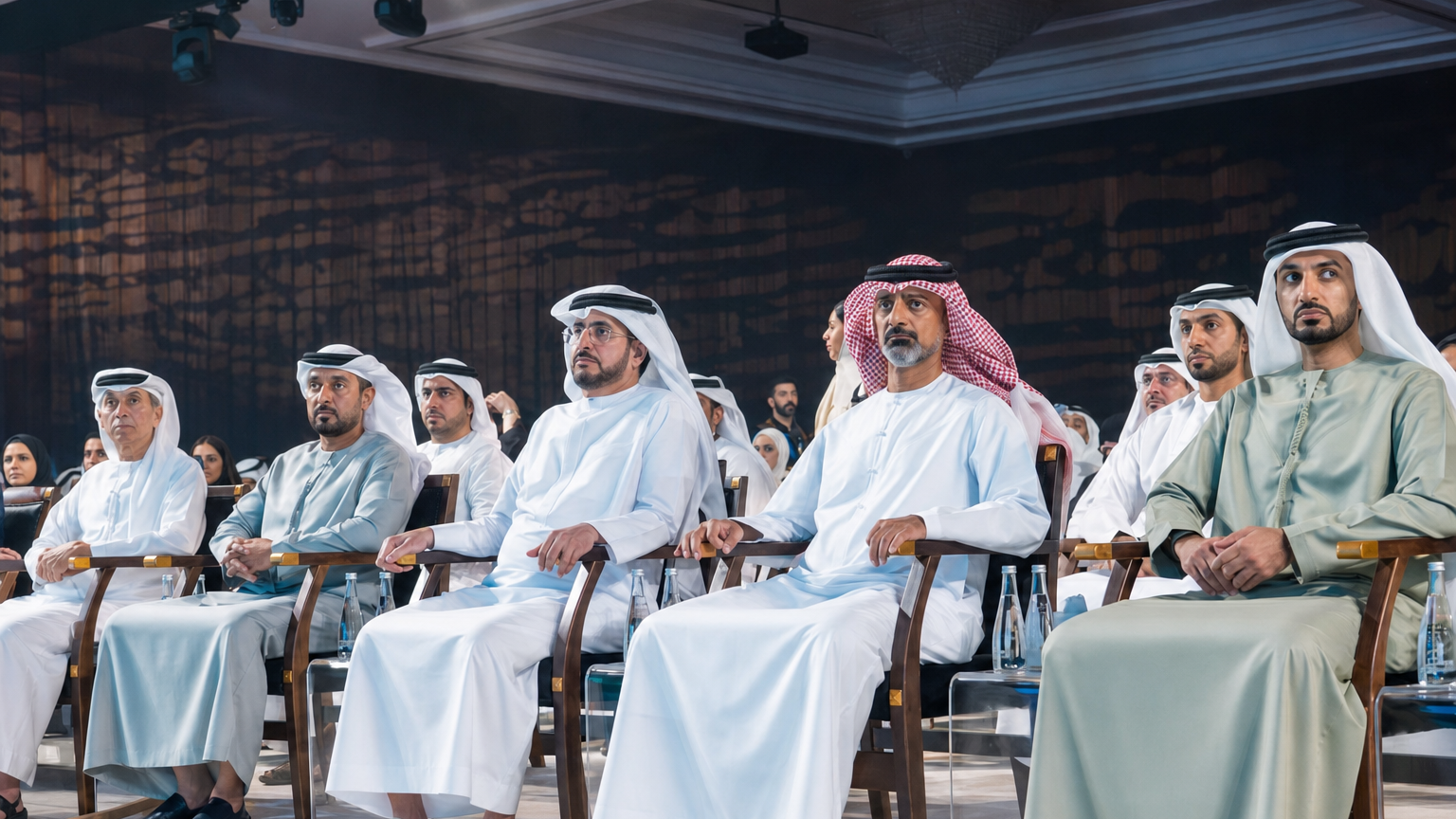

The Ajman Municipality and Planning Department reported that the Eighth Ajman International Environment Conference ended on October 29, 2026, after two days of sessions that produced five core recommendations centred on accelerating the shift to a low-carbon economy. Organisers said more than 1,500 participants and over 40 speakers from 15 countries attended the event at Ajman University under the theme of moving from commitment to implementation on sustainability and carbon neutrality. The municipality’s closing statement listed the adoption of advanced technologies for emissions tracking, wider use of artificial intelligence in environmental monitoring and the expansion of green infrastructure among the main calls to action.
According to the department, the recommendations also urged full integration of circular economy principles across product lifecycles and the development of smart systems to improve air quality and support evidence-based policy decisions. The conference further evaluated projects from 30 schools participating in the Zero-Carbon Schools initiative, which aims to reduce the educational sector’s carbon footprint through practical sustainability measures. Ajman Municipality and Planning Department Director General Abdulrahman Al Nuaimi received briefings on leading schools that met the standards during the closing session.
The Ajman Municipality and Planning Department stated that Crown Prince Sheikh Ammar bin Humaid Al Nuaimi launched a digital Circular Economy Platform in partnership with Al Serkal Company to manage the full lifecycle of recyclable materials. In the same ceremony the emirate introduced the Ajman 360 Sustainability Strategy built on four pillars covering air quality and emissions, climate change adaptation, waste management and biodiversity protection. A memorandum of understanding with Tribe Consulting on energy-from-waste projects was signed on the sidelines, the department added.
Ajman Municipality and Planning Department figures show the emirate achieved 97.6 percent good air quality days in the first quarter of 2026 while treating 100 percent of wastewater for reuse, with 171 million cubic metres of treated water deployed for irrigation between 2021 and 2025. The municipality reported planting 94,000 mangrove seedlings from 2019 to 2026, contributing to the national target of 100 million such trees by 2030. Green building certifications nearly doubled to more than 16,000 structures by the end of 2025, reflecting stricter standards introduced since 2018.
The UAE’s long-term strategy submitted to the UNFCCC sets a net-zero emissions target for 2050 that includes absolute emission levels for 2040 and 2045 along with sector-specific pathways. Government data cited by the Minister of Climate Change and Environment placed the clean energy share in electricity generation at 32.4 percent in 2025, putting the country on course to exceed the 35 percent goal set for 2031. The Climate Action Tracker assessment found the plan relies on carbon capture and storage for 32 percent of industrial emission cuts by 2050 while expanding mangrove sinks and engineered removals.
The conference programme, organised by the Ajman Municipality and Planning Department, featured sessions on climate adaptation, nature-based solutions, low-carbon urban planning, renewable energy integration and artificial intelligence applications in governance. International case studies and workshops allowed participants to examine measurable actions that cities can take toward resource efficiency and resilience. The event aligns with Ajman’s Climate Neutral City 2050 vision and the broader national sustainability framework.