




The Environment Agency Abu Dhabi announced that Sheikh Hamdan bin Zayed Al Nahyan, Ruler’s Representative in the Al Dhafra Region and Chairman of the agency, issued Decree No. 6 of 2025 on October 14, 2025, to establish the biodiversity policy. This policy is designed to ensure the sustainability of biodiversity in the emirate while confronting key threats. It promotes the protection and restoration of ecosystems along with the conservation of habitats critical for the survival of various species. Additionally, the decree calls for strengthening the legislative and regulatory framework governing environmental protection.
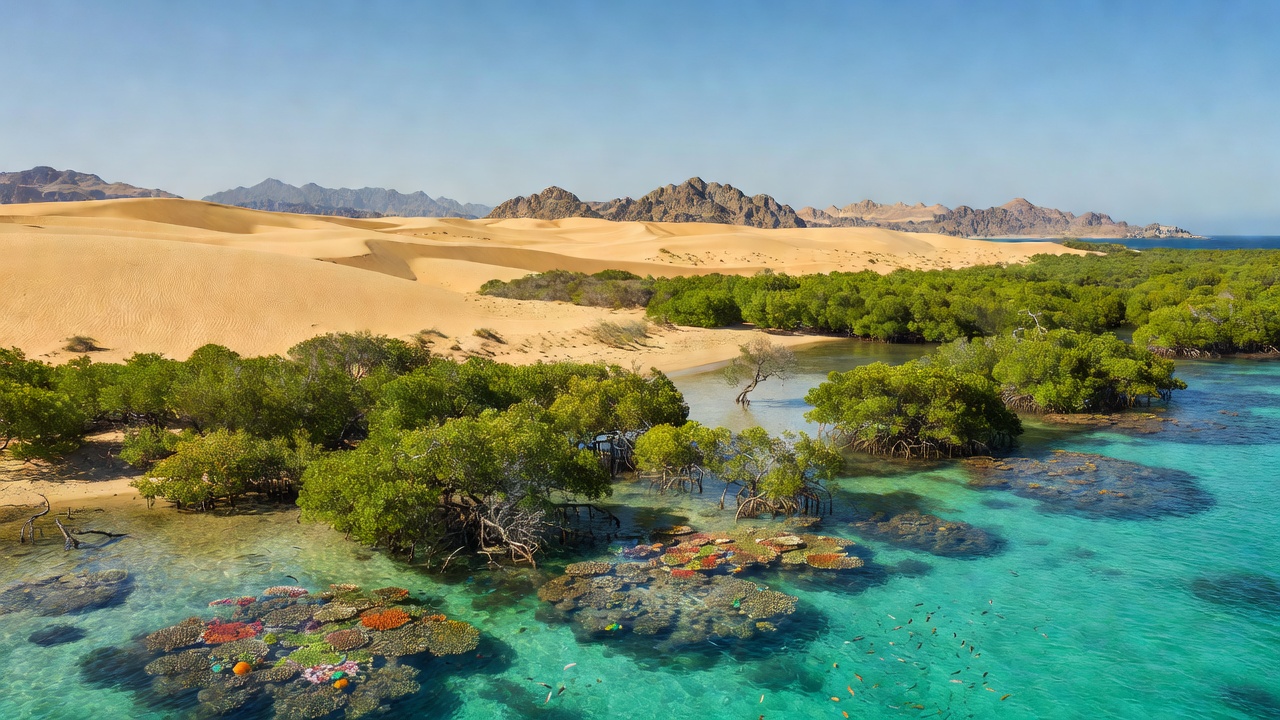
According to the Environment Agency Abu Dhabi, the policy encompasses both terrestrial and marine habitats and ecosystems. These include plains and sand dunes, coastal areas and islands, coral reefs, mangroves and mountain regions. Measures under the policy cover species conservation, the rehabilitation of damaged habitats and the improvement of databases and scientific knowledge related to local biodiversity. The agency will conduct impact analyses through systematic procedures to monitor progress.
Dr Shaikha Salem Al Dhaheri, Secretary General of the Environment Agency Abu Dhabi, described the policy as an important step towards the National Biodiversity Strategy 2031. “This policy is an important step towards achieving the general framework of the National Biodiversity Strategy 2031. It also strengthens Abu Dhabi’s position as a leading entity in the field of protecting and sustaining ecosystems,” she said. The policy aligns with the UAE’s broader directives and its international commitments, contributing to the emirate’s Environmental Centennial 2071 goals by protecting natural habitats, preserving local species and enhancing ecosystem sustainability, according to the secretary general.
The Environment Agency Abu Dhabi further noted that preserving biodiversity serves as a fundamental pillar for achieving food and water security, mitigating climate change effects and maintaining quality of life. “Preserving biodiversity is a fundamental pillar for achieving food and water security, mitigating the effects of climate change and preserving quality of life,” Dr Shaikha Salem Al Dhaheri stated. “Through this policy, we aim to stimulate joint action and integrate efforts among relevant stakeholders to rehabilitate affected habitats, conserve endangered species and enhance the database and scientific knowledge related to local biodiversity, to build a sustainable environmental future.” This approach encourages collaboration among government agencies, private sector entities and community members.
The timing of the decree coincided with the International Union for Conservation of Nature World Conservation Congress hosted in Abu Dhabi on October 14 and 15, 2025, the Environment Agency Abu Dhabi reported. The policy is expected to stimulate joint action, integrate efforts and activate partnerships while employing modern technologies for implementation. Such steps are part of a wider effort to place Abu Dhabi as a leader in ecosystem protection and sustainability.
Environmental protection across the UAE draws on Federal Law No. 23 of 1999 and Federal Law No. 24 of 1999, which provide the legal foundation for conservation efforts, according to the International Union for Conservation of Nature. The new Abu Dhabi policy builds on these national laws by focusing on local implementation and community involvement. It also supports ongoing initiatives to expand protected areas and address emerging environmental pressures in the emirate.