



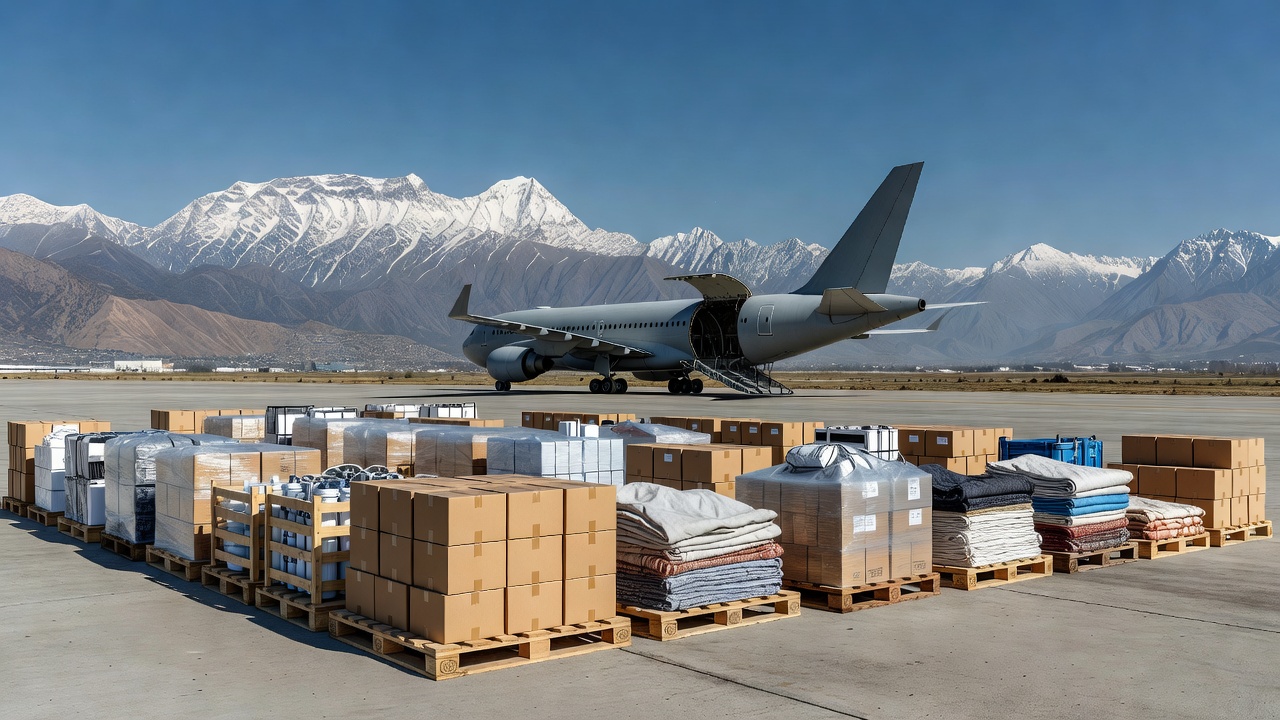

The Emirates News Agency reported that the UAE has expanded its deployment of specialized personnel and equipment to Nepal to support ongoing search and rescue activities in flood-ravaged areas. Teams are focusing on remote valleys and river systems where many remain unaccounted for following the disaster that began with an ice-rock avalanche near the Tibet border. Additional humanitarian supplies have been airlifted to address immediate needs among displaced populations in temporary shelters. The intensified operation builds upon initial UAE assistance provided shortly after the scale of the flooding became evident in late August.
Nepal’s National Disaster Risk Reduction and Management Authority placed the confirmed death toll at 1,355 with 4,996 individuals still missing as of early this week. The authority added that more than 13,000 people have been rescued to date across affected districts including Chitwan, Nawalparasi and Rasuwa. A United Nations Population Fund situation report from the period of 28 August to 3 September estimated that nearly 100,000 women of reproductive age were impacted, including more than 5,000 pregnant women facing disrupted health services.
The UAE contribution forms part of a wider international response to the floods that a Reuters dispatch described as Nepal’s deadliest natural disaster since the 2015 earthquake. According to the Emirates News Agency, the UAE teams include experts equipped for debris clearance and medical support, collaborating directly with Nepali emergency services on site. Supplies delivered encompass food, water purification units and shelter materials distributed through established coordination channels in Kathmandu.
United Nations agencies have documented extensive infrastructure damage with more than 2 million tons of debris blocking roads and rivers, complicating access to isolated communities. The UNFPA report highlighted elevated risks of gender-based violence in overcrowded displacement sites where privacy and basic facilities remain limited. UAE personnel are assisting in the establishment of temporary medical posts to help alleviate pressure on damaged local health infrastructure.
A preliminary assessment by the United Nations Development Programme noted the disaster’s destruction of homes, bridges and hydropower facilities across northern and central Nepal. The Emirates News Agency stated that the UAE operation includes provisions for longer-term recovery support as Nepali authorities transition from rescue to rehabilitation efforts. Coordination meetings between UAE representatives and Nepali officials have focused on aligning aid with identified priority zones.
Nepal’s disaster management authority reported that identification of recovered bodies has proven challenging due to decomposition and fragmentation, with only a small fraction matched to families so far. The UAE has offered technical assistance in this area as part of its expanded humanitarian role. Further updates on the operation are expected as assessments continue in the coming days.