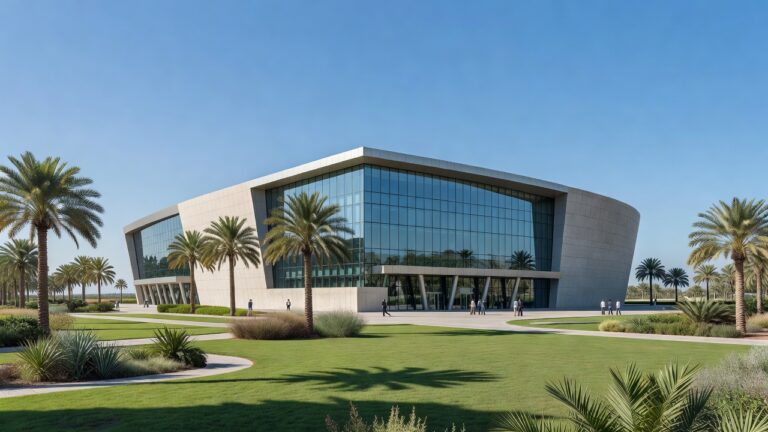



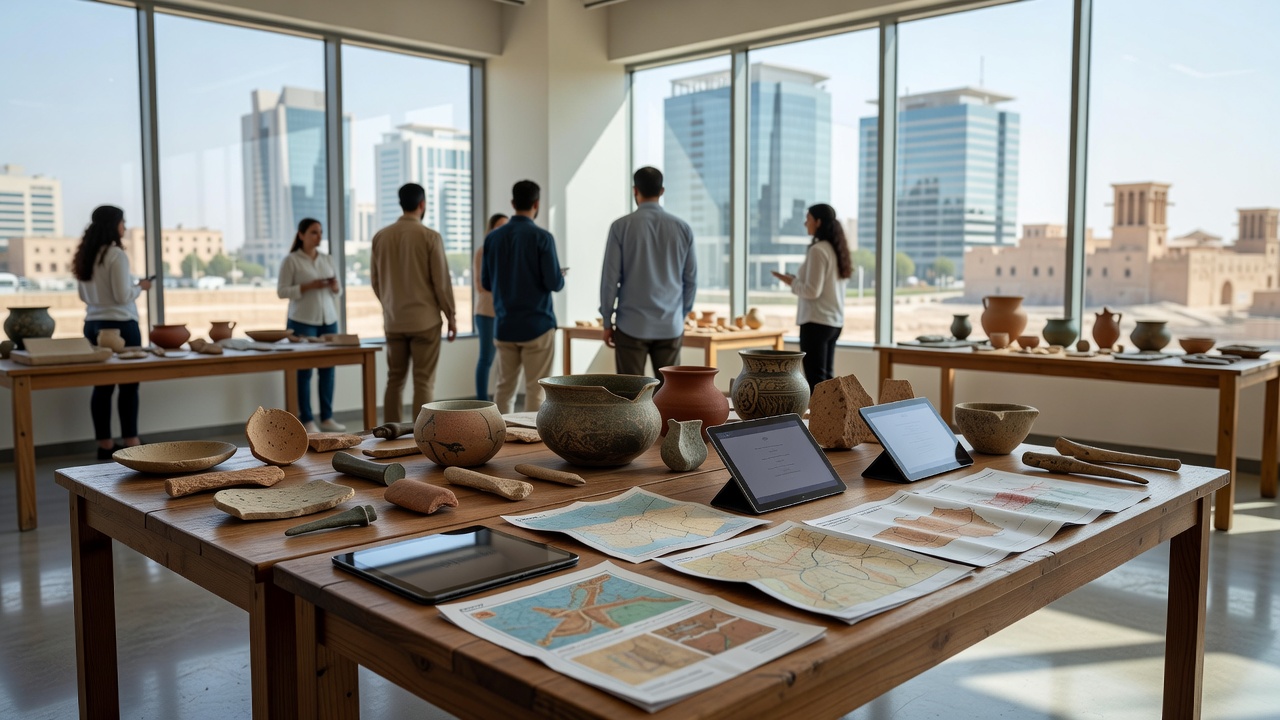

The inauguration ceremony highlighted Hiwariyat as a platform for ongoing conversations between archaeologists, educators and community members. According to the Emirates News Agency, the initiative will feature regular sessions focused on recent discoveries and preservation techniques developed in Sharjah over the past two decades. SAF has scheduled the first series of workshops to begin next month at multiple locations including schools and cultural centres. The foundation’s leadership described the program as essential for building long-term awareness of heritage protection.
Hiwariyat builds on SAF’s established record of community outreach that has reached tens of thousands of residents in recent years. A 2025 report from the Sharjah Department of Culture and Information places the number of annual participants in similar heritage programs at more than 45,000. The new project incorporates digital tools to document participant feedback and track learning outcomes across age groups. Officials plan to expand the format to include virtual components for audiences beyond the emirate.
Sharjah maintains one of the most active archaeological research programs in the UAE, with excavations ongoing at more than a dozen sites. Central Statistical Bureau data from 2024 shows that cultural sector investment in the emirate grew by 12 percent from the previous year. The Hiwariyat launch aligns with these trends by prioritising educational content drawn directly from field work. Foundation teams have already prepared introductory materials based on findings from the Mleiha and Jebel Buhais areas.
International partners from regional museums attended the inauguration event to explore potential collaboration on future editions. According to a UNESCO overview of Gulf heritage projects, the UAE has registered 18 new archaeological initiatives since 2020, many of them community-facing. SAF intends to measure Hiwariyat’s impact through pre- and post-session surveys that will be compiled into annual assessments. Early feedback from pilot groups indicated strong interest in hands-on activities involving artifact replicas.
The program also addresses the need for updated educational resources that reflect the latest excavation results. Ministry of Education figures indicate that heritage topics now form part of the national curriculum in more than 70 percent of public schools. SAF will supply Hiwariyat-trained facilitators to support teachers delivering these modules. Integration with existing school programs is expected to begin during the upcoming academic term.
Planning for Hiwariyat began two years ago as part of a wider SAF strategy to increase direct community involvement in archaeology. The foundation has curated an initial set of six thematic modules covering topics from ancient trade routes to environmental conservation at heritage locations. A dedicated coordination team will manage scheduling and partnerships with government entities and private sponsors. Additional funding has been allocated to ensure the program remains accessible without participation fees.