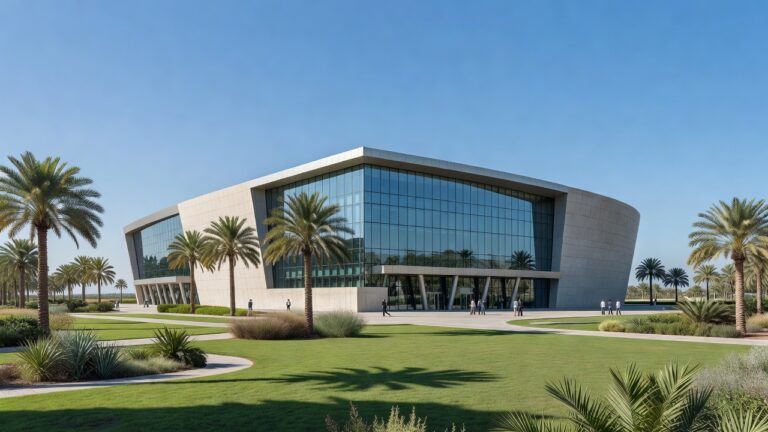





The Hamdan Bin Rashid Al Maktoum Foundation for Medical and Educational Sciences organised a three-and-a-half-hour specialised training workshop at its Dubai headquarters on October 10 2026. The session titled Nutritional Management of Phenylketonuria brought together healthcare professionals seeking to strengthen their scientific knowledge and practical skills in treating inherited metabolic disorders. Delivered by Dr Hanadi Algabeesh senior clinical dietitian at Al Jalila Children’s Specialty Hospital the programme earned accreditation from the Dubai Health Authority for three hours of continuing professional development.
Phenylketonuria is an inherited metabolic disorder that leaves the body unable to process phenylalanine leading to its buildup in the blood and potential severe neurological complications when unmanaged. The workshop reviewed core principles of dietary control including the creation of suitable meal plans for different age groups and the latest updates on available treatments. Interactive elements featured case studies exercises in meal planning food label reading and calculations of daily nutritional requirements to improve patient care delivery.
National Newborn Screening program data shows that the prevalence of classical PKU in the UAE is approximately one in 14,000 to one in 20,000 live births.[[1]](https://dnalabsuae.com/blog/phenylketonuria-pku-genetic-test-in-uae) This rate according to the screening records underscores the value of targeted professional training to support early intervention and sustained management. The foundation’s event forms part of wider efforts to address rare genetic conditions through enhanced medical competencies.
Dr Salama Al Muhairi director of the Medical Excellence Department at the Hamdan Bin Rashid Al Maktoum Foundation for Medical and Educational Sciences outlined the workshop’s purpose in a statement. She said “the workshop forms part of the Foundation’s medical initiatives aimed at supporting the continued development of the healthcare sector and enhancing the capabilities of medical and allied health professionals by providing opportunities for continuing professional education and the exchange of specialised knowledge and expertise.” The foundation has organised comparable programmes to advance expertise across healthcare disciplines.
Participation included specialists linked to the Emirates Society for Inherited Metabolic Disorders ensuring alignment with prevailing clinical standards in the field. The curriculum specifically examined nutritional considerations for children adolescents and pregnant women emphasising multidisciplinary coordination for optimal outcomes. Such training according to the foundation contributes directly to improved support for patients and their families managing the lifelong demands of the disorder.