



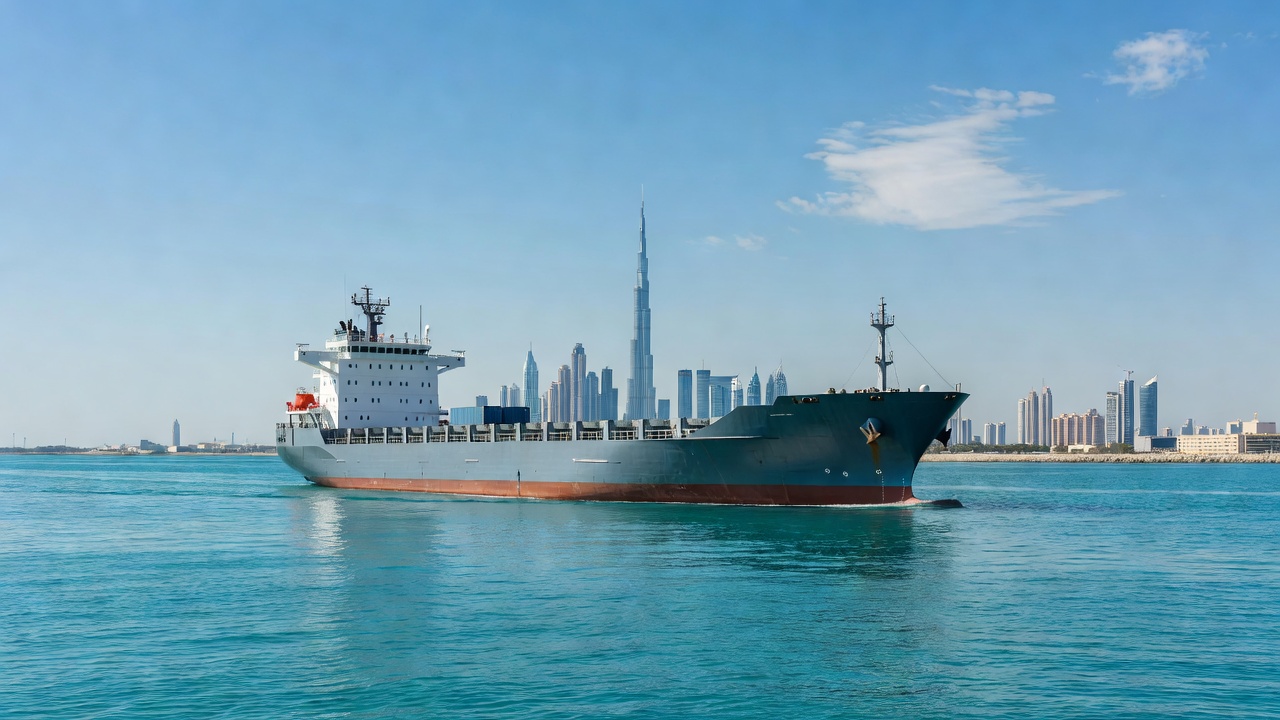

The TMS Ship Finance and Trade Conference 2026 drew strong participation from shipowners, financiers, regulators and technology providers at Grosvenor House in Dubai, a Gulf News report stated. Under the theme of helping the industry navigate uncertain waters, the event examined capital allocation, risk management and sustainability-linked finance to aid fleet renewal and compliance with International Maritime Organization mandates. Speakers addressed how rising compliance costs and technological uncertainties are reshaping investment priorities and newbuild decisions across the global maritime sector.
A welcome address by BBC senior broadcast journalist Nawal Al Maghafi set the stage for discussions on resilience, regulation and the shifting ship finance landscape, the report noted. The first session on financial strategies in a volatile world featured contributions from Niaz Bin Yusuf of AD Ports Group on disciplined capital deployment amid tightening credit and geopolitical risks. Daniel Richards of Emirates NBD outlined macroeconomic trends in the MENA region and their effects on trade flows, shipping demand and financing conditions while Ahmed Al Shukaili of ASYAD Shipping, Jianjun Wang of Goldsea International and Daejin Lee of Fertmax FZCO highlighted balance sheet resilience, newbuilding complexities and evolving trade patterns in what they termed the New Normal Economy.
The second session focused on developing financial tools for the green transition with Navin Kumar of Drewry detailing how ESG requirements and technology pathways influence asset values and residual risks. Tien Tai of HFW addressed legal structures and regulatory clarity needed for sustainable investments while Theo Xenakoudis of International Registries Inc emphasised registries’ role in lowering compliance risks and enhancing capital access for greener fleets. The conference concluded that practical mechanisms to improve bankability and mobilise capital through cross-sector collaboration will prove essential for decarbonisation progress.
International Maritime Organization strategy sets indicative checkpoints for at least a 20 per cent greenhouse gas emissions reduction by 2030 and 70 per cent by 2040 from 2008 levels with a net-zero goal by or around 2050, an IMO assessment found. The organisation also targets at least 5 per cent uptake of zero or near-zero emission fuels and technologies by 2030. A Carbon Market Watch review placed shipping’s current share of global greenhouse gas emissions at roughly 3 per cent, warning that the share could climb without accelerated action.
Custom Market Insights data projects the global green shipping market to reach 109.65 billion dollars by 2034, expanding at a compound annual growth rate of 17.35 per cent from 2025 levels. A separate Market Intel report on shipping finance, valued at 89.4 billion dollars in 2025 and forecast to hit 114.8 billion dollars by 2034, indicates that 60 to 70 per cent of newbuildings financed in coming years will incorporate sustainability features. Such projections align with the conference emphasis on financial innovation to meet evolving IMO and regional requirements.
Trevor Pereira, managing director of The Maritime Standard which organised the event, welcomed the turnout and depth of dialogue that positioned the conference as forward-looking, the Gulf News report added. The gathering reflected broader industry engagement with market volatility, evolving financing models and the lower-carbon transition. Participants called for continued cooperation among charterers, cargo owners and regulators to overcome barriers in sustainable shipping investments.