


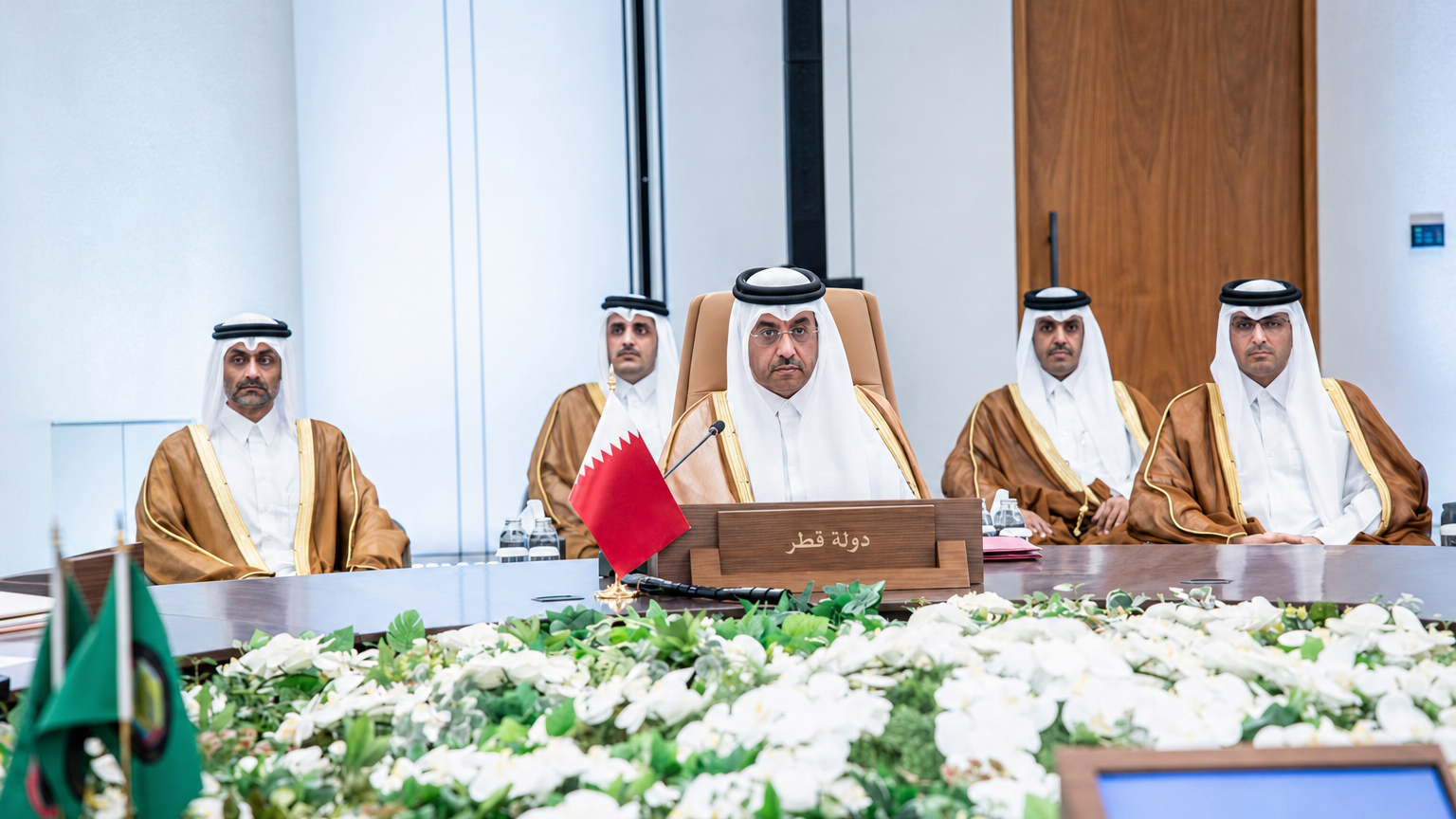

The 12th meeting of the GCC Labour Ministers Committee convened in Manama on October 8 2026 under the chairmanship of Bahrain’s Minister of Labour and Legal Affairs Yousif bin Abdulhussain Khalaf with participation from all six member states and the GCC General Secretariat. Ministers examined the joint labour strategy with emphasis on skills development in the labour market combating forced labour and human trafficking and promoting equal opportunities across the region according to the Saudi Press Agency. Discussions also covered occupational health and safety improvements labour market readiness and a unified framework for recruiting domestic workers across the bloc.
The UAE delegation headed by Minister of Human Resources and Emiratisation Abdulrahman Al Awar engaged in the sessions focused on exchanging expertise and building on successful national experiences the Emirates News Agency reported. Al Awar stressed the value of collective efforts to develop human capital in support of economic goals shared by GCC countries. The UAE’s involvement reflects its series of labour market reforms implemented in recent years that have emphasised worker welfare and regulatory alignment.
A GCC General Secretariat assessment found that work on a guiding framework for green jobs formed a central part of the agenda aimed at linking employment growth to environmental sustainability targets. Officials prepared proposals for regulating working conditions in the platform economy recognising the expansion of gig and digital work throughout the Gulf. These initiatives form part of broader coordination to adapt labour policies to technological and climate-related shifts in the regional economy.
According to the Saudi Press Agency the ministers reviewed ways to enhance cooperation on workforce matters and highlighted pioneering projects during a side ceremony honouring advancements in civil service labour and social affairs. Bahrain hosted the gathering as part of its leadership of the 46th session of the GCC Supreme Council. The meeting built upon outcomes from the previous committee session that had established a multi-year strategy for labour market integration.
International Labour Organization figures show that migrant workers account for more than 70 percent of the private sector workforce across GCC states creating a shared need for harmonised protection standards. The committee addressed how to balance opportunities for national employees while safeguarding rights for the expatriate majority that underpins key economic sectors. This focus continues a long-standing GCC effort to align regulations on contracts recruitment and dispute settlement.
Participants quoted in official statements agreed to advance implementation of the discussed frameworks with particular attention to skills training that matches evolving employer requirements. The gathering also considered how best to integrate environmental considerations into national labour plans through the green jobs initiative. Follow-up actions will be tracked through existing GCC working groups established for these priority areas.