


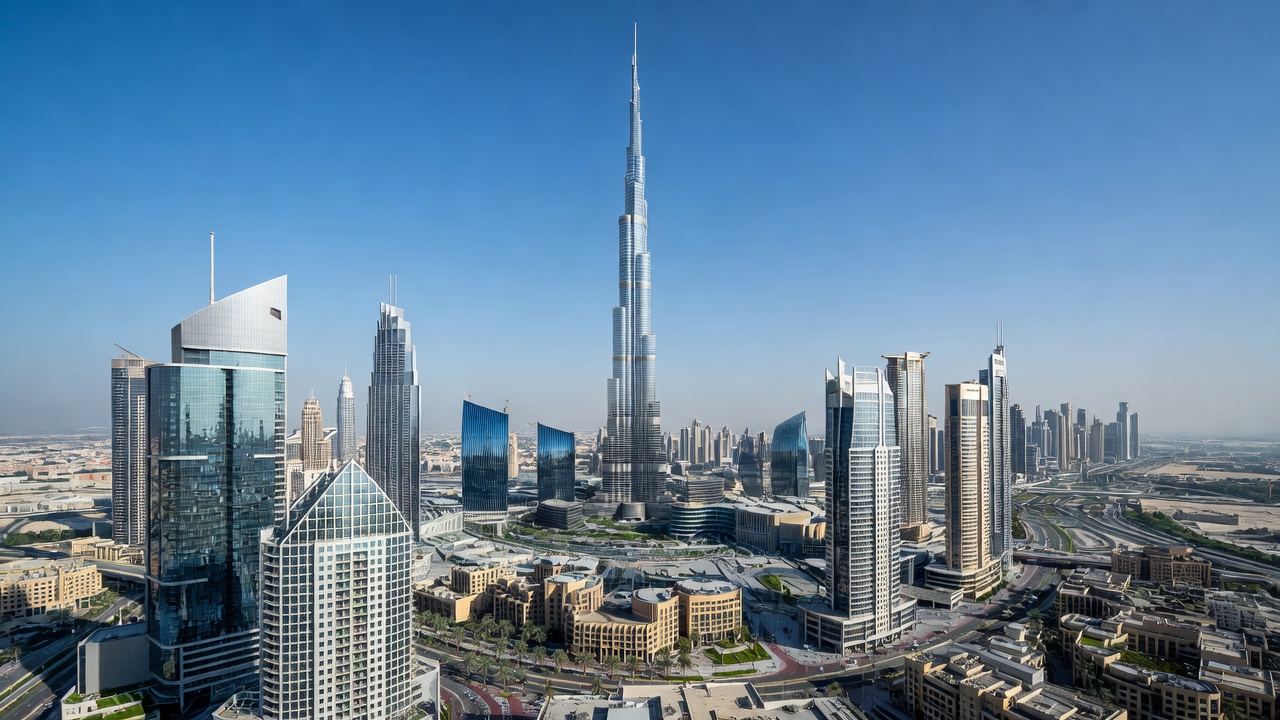

The Emirates News Agency reported on January 21, 2026, that tourism in the UAE rests on advanced digital infrastructure, with companies across the sector adopting artificial intelligence and smart technologies to shape the industry’s future direction. This approach focuses on delivering more personalised services while streamlining operations at key destinations including Dubai and Abu Dhabi. The ministry of economy and tourism has positioned these tools as central to maintaining the country’s competitive edge in global travel markets. Such innovations arrive as the UAE seeks to diversify its economy beyond traditional sectors.
According to a separate assessment from the World Travel and Tourism Council, the travel and tourism sector accounted for 13.5 percent of the UAE’s GDP in 2025 and supported more than 1.2 million jobs across the federation. The council’s data further projects annual growth of 4.8 percent through the end of the decade provided technology adoption accelerates. These figures underscore the scale of the industry that the smart-technology initiatives now aim to modernise. The ministry of economy and tourism has consistently highlighted the need to align infrastructure upgrades with rising visitor demand.
The Telecommunications and Digital Government Regulatory Authority previously partnered with Cisco to advance the country’s digital framework, an agreement that explicitly targeted smart tourism applications among other priorities. Under that memorandum of understanding, the two organisations focused on developing solutions for smart districts and enhanced visitor services that leverage data analytics and connectivity. The collaboration has since fed into practical deployments at major attractions and hospitality venues. Officials have described the work as foundational for broader smart-city objectives that encompass the tourism ecosystem.
Dubai’s Department of Economy and Tourism reported that the emirate welcomed more than 18 million international overnight visitors in 2025, a 12 percent increase from the prior year that placed additional pressure on existing systems. Smart technologies have been deployed to manage crowd flows at heritage sites and theme parks while offering real-time translation and augmented-reality guides to international guests. The authority’s figures show that digital tools have improved visitor satisfaction scores by measurable margins in pilot programmes. Continued investment in these areas forms part of a national strategy coordinated across multiple emirates.
Abdullah bin Touq Al Marri, minister of economy and tourism, affirmed in related statements that the UAE remains committed to strengthening partnerships that accelerate digital transformation across the hospitality and travel sectors. His ministry has supported pilot projects that utilise AI for predictive maintenance at hotels and dynamic pricing models that respond to demand fluctuations. These measures have demonstrated efficiency gains that operators have begun to scale nationwide. The minister’s office has coordinated with local tourism boards to ensure uniform standards in technology deployment.
A PwC Middle East review of regional digital transformation ranked the UAE’s tourism technology initiatives among the most advanced in the GCC, citing seamless integration of contactless services and data-driven destination management. The consultancy’s analysis noted that such capabilities have helped the country recover visitor volumes faster than many regional peers following global disruptions earlier in the decade. Industry operators have incorporated the findings into long-term planning documents submitted to federal authorities. The cumulative effect of these efforts has reinforced the UAE’s standing as a technology-forward destination.