



Sheikh Hamdan bin Mohammed bin Rashid Al Maktoum chaired a meeting of Dubai’s Executive Council that signed off on initiatives and projects valued at AED18 billion according to a report by the Emirates News Agency. The approvals cover strategies in culture trade infrastructure Emiratisation finance investment urban planning and population data management as part of efforts to accelerate sustainable development and strengthen key economic pillars. The Executive Council framed the package as essential to maintaining Dubai’s competitive edge while improving public services and resident quality of life.
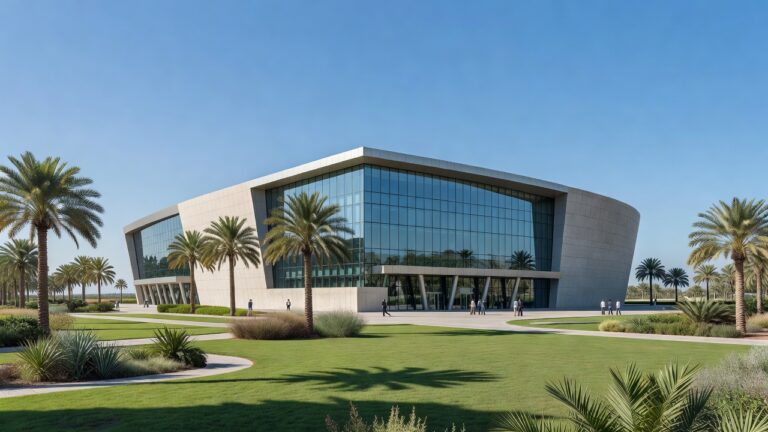
The Dubai Cultural Strategy 2033 stands as a central element with 40 separate initiatives that WAM said will support more than 6,000 local creative talents. The plan also targets attraction of over 6,000 international creatives to the emirate and aims to expand the overall cultural asset base. Previous government assessments have pointed to the cultural sector’s rising role in diversifying Dubai’s economy beyond hydrocarbons.
Approval of the Dubai Customs Strategy will bolster the emirate’s position as a global trade hub through streamlined procedures and technology upgrades the Executive Council announcement indicated. Dubai Customs data from recent years show consistent growth in trade volumes that have helped establish the city as one of the largest re-export centres in the world. Such measures build on existing infrastructure at Jebel Ali port and align with long-term targets for non-oil trade expansion.
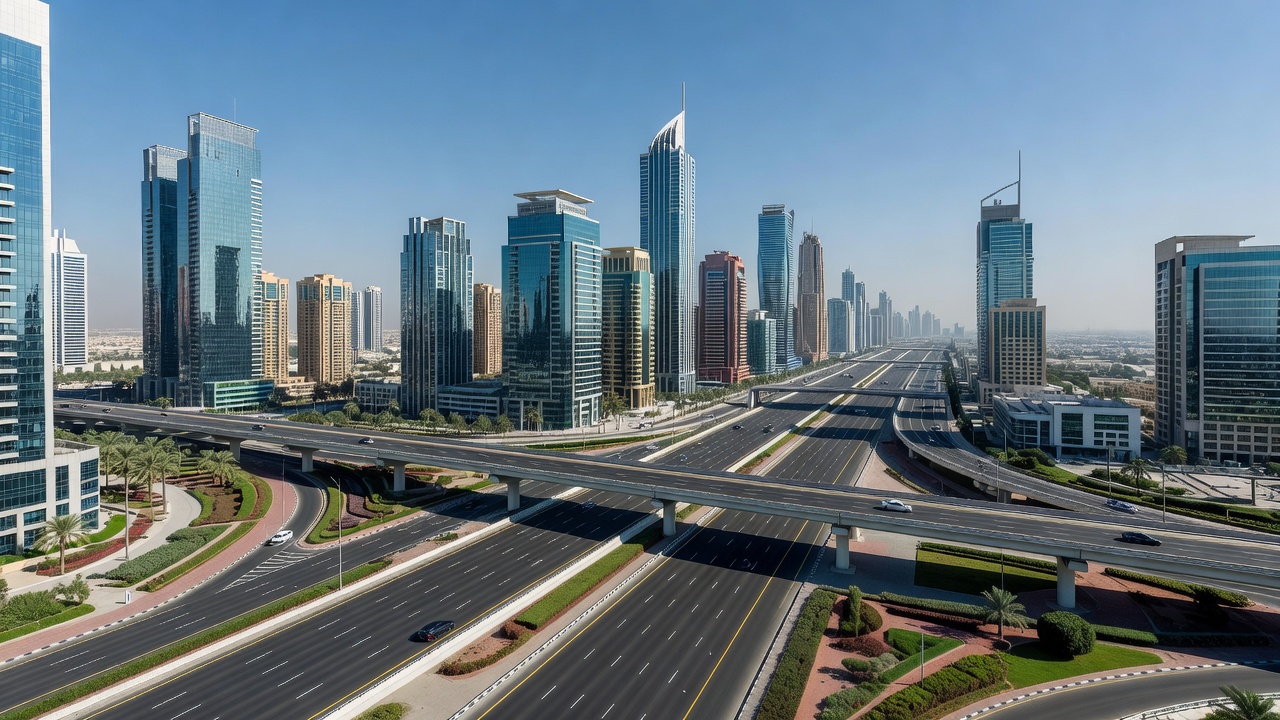
The First Al Khail Street Development Plan received the green light to construct a new 15-kilometre elevated roadway parallel to Sheikh Zayed Road according to details released by the Executive Council. Planners expect the corridor to serve around 2.6 million residents and commuters while reducing congestion in one of Dubai’s busiest corridors. The project forms part of wider urban planning updates designed to handle continued population growth that official figures have tracked at an average annual rate of roughly 4 percent over the past decade.
Further approvals encompass programmes to promote Emiratisation across priority industries alongside updates to financial regulations and investment incentives WAM reported. A real-time population census system was also endorsed to deliver more accurate and timely demographic data for policymaking. These components tie into broader national efforts to increase citizen workforce participation that federal statistics show has risen steadily since the launch of related initiatives in the early 2020s.
The AED18 billion commitment reflects ongoing execution of the Dubai Economic Agenda D33 which seeks to double the size of the economy by 2033 according to earlier government statements. International observers including the International Monetary Fund have repeatedly highlighted Dubai’s investment in infrastructure and human capital as key drivers of its post-pandemic recovery and sustained growth. Additional projects in the package are expected to generate employment opportunities across multiple sectors while reinforcing the emirate’s appeal to global talent and capital.