



TRENDS Global, part of TRENDS Group, and the Observer Research Foundation Middle East jointly presented the results of their second economic dialogue at an event in Dubai. The dialogue, held at the ORFME office in the Dubai World Trade Centre, produced a report titled Balancing Connectivity and Economic Security: Post-Conflict Strategies for the Global South and MENA Region. According to the organizations, the document redefines risk in an era of heightened geopolitical tensions where threats to supply chains, energy markets and global trade have moved from peripheral issues to existential challenges.
The outcomes emphasized that food security and energy security function as interconnected priorities, often among the first sectors disrupted by conflicts and pandemics. A review of recent market shifts showed Japan and South Korea turning to U.S. crude supplies as an alternative to Gulf sources, which contributed to major disruptions in shipping routes. These developments drove transportation costs to levels surpassing those seen during the COVID-19 pandemic and the global financial crisis, the report noted, underscoring the necessity to diversify market routes, supply origins and contingency options.
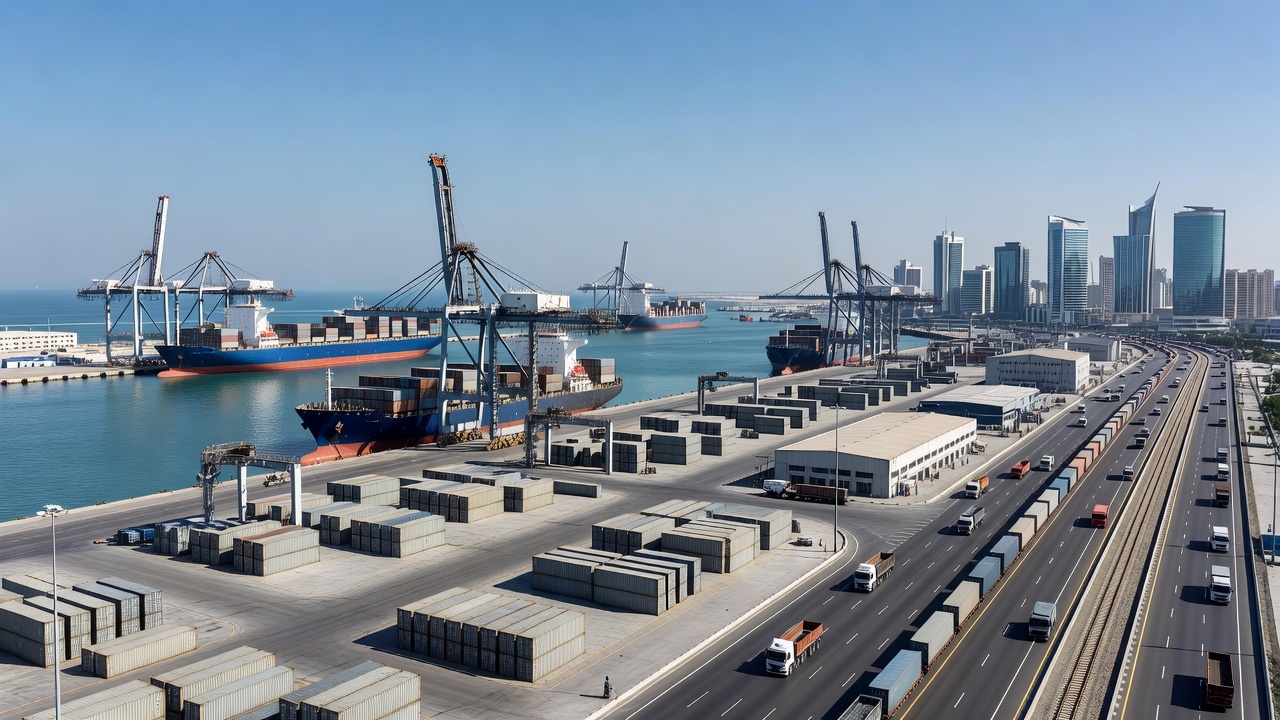
Recommendations from the dialogue call for a fresh framework of strategic connectivity tailored to the Middle East. The proposed model features integrated multimodal trade corridors, upgraded port and logistics facilities, dedicated protection for vital economic infrastructure and expanded abilities to redirect commerce when conventional pathways face interruptions. TRENDS Global and ORFME stated that such steps would help safeguard economic integration while mitigating vulnerabilities in a volatile environment.
The organizations further advised treating energy and food security within a unified strategic approach that encompasses multiple reinforcing elements. Measures include varying energy transit paths, reinforcing strategic reserves of both fuels and staples, expanding the diversity of supply providers and committing resources across every link in the food value chain. The dialogue also advocated constructing backup land, air and sea routes that encompass non-oil industrial exports alongside essential food imports, according to the published outcomes.
Economic diversification initiatives should undergo recalibration to place heavier weight on securing supply chains, advancing local manufacturing capabilities and directing resources toward human capital development, specialized skills and technological advancement. The second dialogue follows preparatory sessions earlier in the week where opening addresses by Dr. Samir Saran, president of ORFME, and Abdulaziz Al-Shehhi, deputy general manager of TRENDS Research and Advisory, outlined core themes of resilient connectivity and regional stability. Dr. Mohamed Abdulla Al Ali, chairman of TRENDS Group, joined Dr. Samir Saran for the formal launch of the findings and recommendations.
This work aligns with broader international assessments of economic cooperation, including the World Economic Forum’s Global Cooperation Barometer 2026, which recorded largely stable activity in trade and capital flows amid rising services and investment movements. The MENA-focused recommendations reflect ongoing efforts by research institutions to address disruptions stemming from recent US-Israeli-Iranian tensions. Participation in the dialogue drew policy experts and analysts addressing post-conflict recovery across affected regions.