



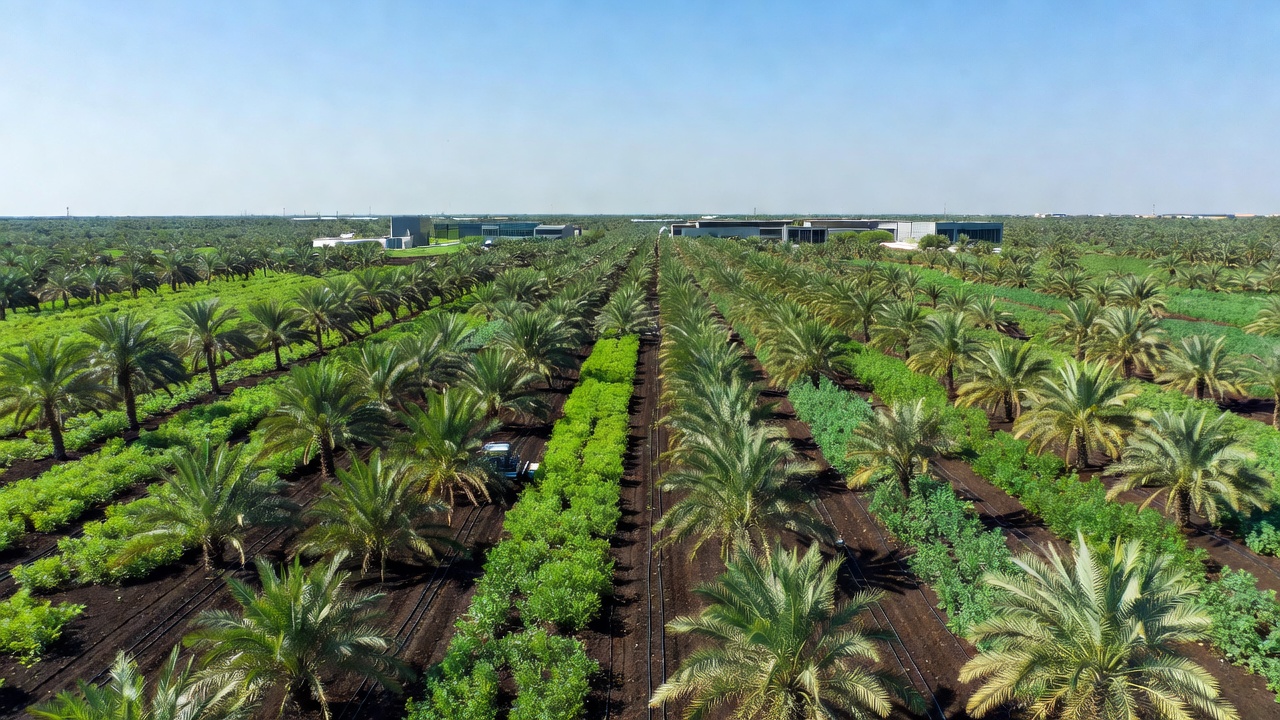

According to the Emirates News Agency Mohammed bin Hamdan bin Zayed received a delegation from the Abu Dhabi Agriculture and Food Safety Authority at his residence where the group outlined the authority’s strategic projects. The meeting covered developments in local production food supply chains and infrastructure for the agriculture and livestock sectors. The Abu Dhabi Agriculture and Food Safety Authority is responsible for preparing plans and programs in agriculture food safety and food security while also conducting inspections to ensure safe food reaches consumers.
The authority supervises emergency food reserves in partnership with other bodies and forms partnerships with the private sector to support its objectives a WAM report indicated. It issues licenses for agricultural and food activities in line with existing legislation. These responsibilities position the authority as a key player in advancing the emirate’s sustainability goals and protecting plant and animal health.
ADAFSA data places the value of Abu Dhabi’s food sector at $3.6 billion as the body pursues its Farm to Factory strategy launched in 2026 to strengthen value chains and processing industries. The strategy targets products such as date syrup dairy cheeses and processed meats while reducing waste by repurposing surplus into jams pickles feed fertilisers and bioenergy. Abu Dhabi hosts 26,360 active food establishments with small and medium enterprises making up 98 percent of the total according to an Arabian Business report on the authority’s announcements.
The authority launched a programme in March 2025 for early detection of plant diseases and pests as part of its biosecurity efforts the Media Office of Abu Dhabi reported. This initiative trains field personnel implements biological mechanical and physical controls and runs awareness campaigns for farmers and workers. It adopts a One Health approach linking human animal plant and environmental health to safeguard agricultural sustainability.
ADAFSA figures show 1,530 farms have secured certification under the Abu Dhabi Good Agricultural Practices program which began applying standards in 2020 following an agreement with the Global Good Agricultural Practices organization. The program stresses food safety environmental protection worker well-being and biodiversity to improve farm profitability and sustainability. The authority additionally promotes Agriculture 4.0 technologies that can increase production thirtyfold while cutting water use by 60 percent alongside research projects such as the Agricultural Genome initiative.