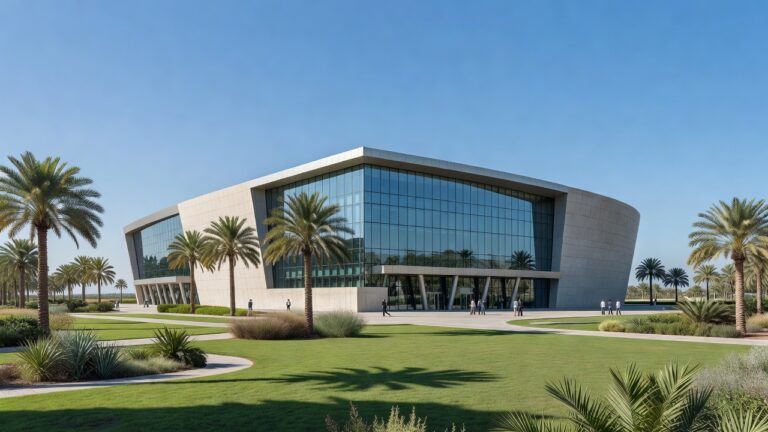




The Sharjah Investment and Development Authority which manages Mleiha National Park announced that the site will host an evening dedicated to observing Saturn Opposition on October 4. Activities will run from 6 p.m. to 11 p.m. at the Mleiha Eye Resthouse and will combine scientific presentations with practical telescope use. The event targets families, astronomy enthusiasts and students interested in planetary science. Organizers have prepared multiple stations for safe viewing of the planet at its peak visibility.
EarthSky reported that Saturn reaches opposition when Earth passes between the planet and the sun, placing the ringed world at its closest approach for the year. On October 4 2026 the opposition will occur at 12 UTC with Saturn at magnitude 0.3 and a disk size of 19.7 arcseconds. The report added that the planet will be visible all night rising in the east at sunset.
The park’s published programme begins with check-in and an introductory overview at 6 p.m. Workshops on the solar system, rocket technology and meteorites run from 6:15 p.m. to 8 p.m. A dinner interval follows until 9 p.m. after which a specific presentation on the opposition phenomenon precedes telescope viewing starting at 9:30 p.m. The schedule concludes at 11 p.m.
Sharjah24 reported that entry tickets are set at AED 200 for adults and AED 150 for children. The price includes dedicated seating, all educational sessions and telescope access plus refreshments. Guests may add a buffet dinner for AED 85 per adult or AED 65 per child as an optional upgrade.
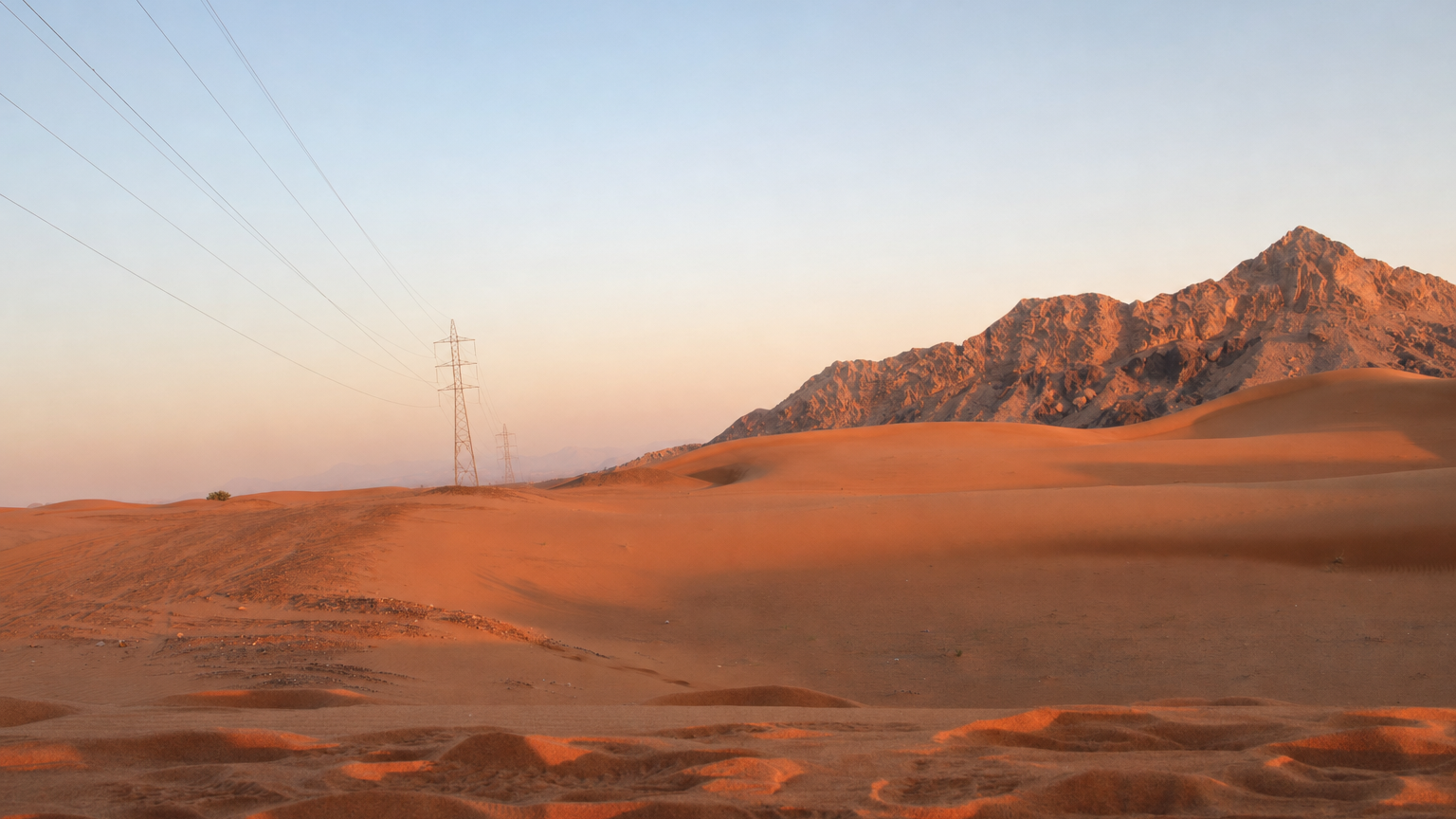
Mleiha National Park received the title of Middle East’s Leading National Park for 2026 at the World Travel Awards. The Business Traveller account placed the win among a shortlist that included parks from Oman, Saudi Arabia and Iran. The 34.2 square kilometre site forms part of the UNESCO-listed Faya Palaeolandscape. Park managers noted its role in preserving both natural desert ecosystems and archaeological records.
Fujairah Observer figures show the area contains evidence of human activity stretching back more than 210,000 years. Discoveries include large Umm an-Nar tombs from the Bronze Age that contained trade goods from distant regions. The park maintains 20 bird species, 11 mammal species and numerous reptiles within its varied terrain of sand dunes and rocky outcrops. These elements support its dual focus on heritage preservation and public education.