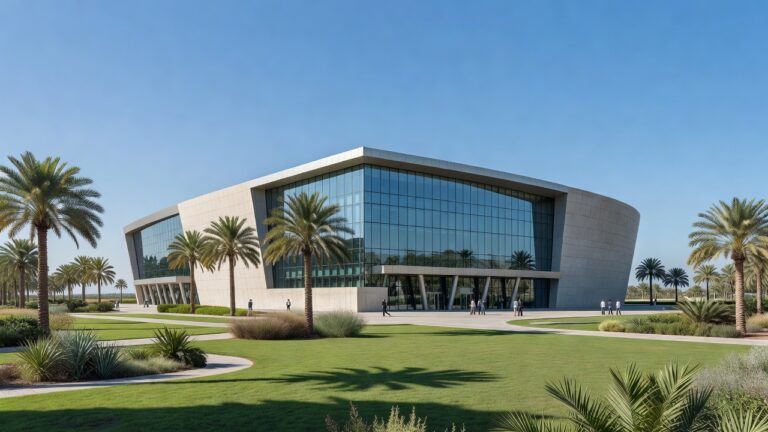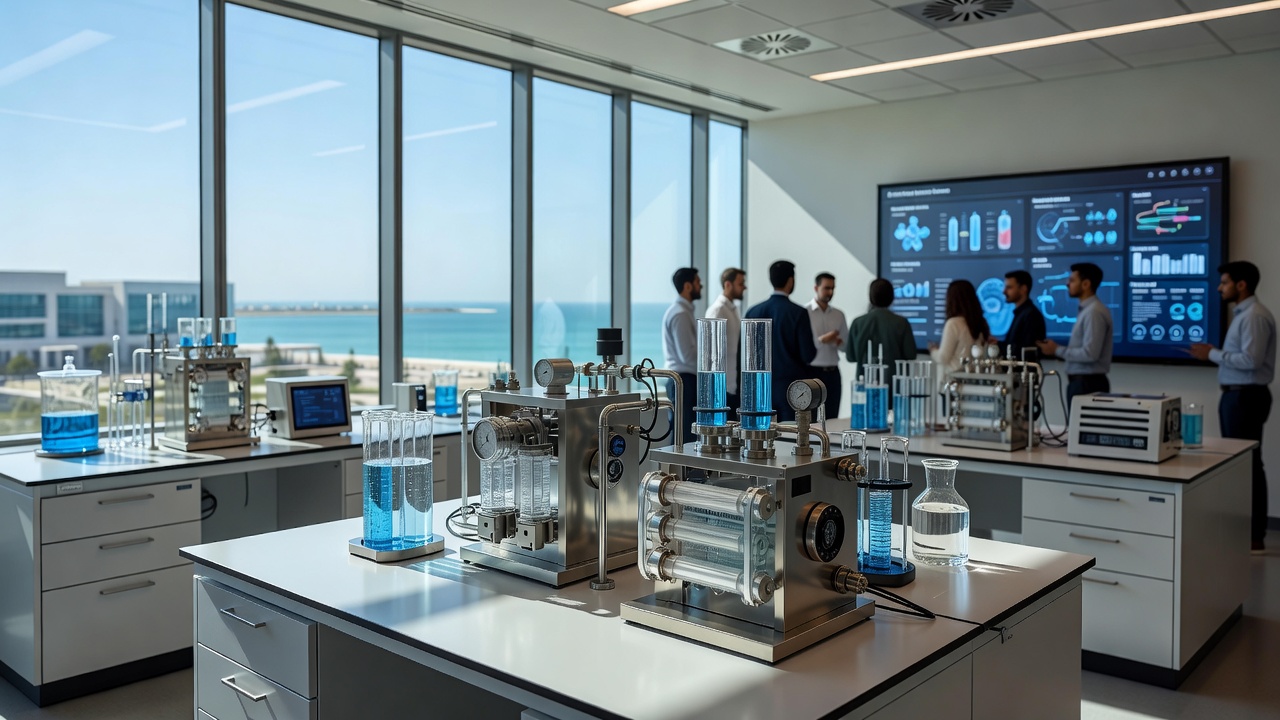

The Emirates News Agency reported that the hackathon has drawn participation from nearly 1,400 university students representing 56 countries around the world. Khalifa University of Science and Technology launched the research-driven global challenge in partnership with UNESCO to accelerate solutions to pressing water issues. The program extends beyond conventional hackathon formats by incorporating phases of research, solution development, technical mentoring, validation and impact assessment, according to the university.
Participants will address six challenge themes aligned with the UN Water pillars, including water security and sustainable desalination, water reuse and circularity, smart digital and AI-enabled systems, water quality and environmental protection, the energy-water nexus and climate resilience as well as integrated water systems, governance and cooperation. The initiative supports the UN Sustainable Development Goal 6 on clean water and sanitation while connecting youth innovation to international priorities. A university assessment found that proposed solutions must consider scientific, technological, societal, environmental and policy dimensions.
The hackathon will reach its climax with a global showcase and awards ceremony at the 2026 UN Water Conference scheduled for December in Abu Dhabi. Organizers have allocated AED290,000 in cash prizes for winning entries, the Emirates News Agency indicated in its coverage. Finalists will gain an international platform to present their ideas to decision-makers and contribute to the global water agenda.
According to the United Nations World Water Development Report 2026 published by the UNESCO World Water Assessment Programme, 4 billion people experience severe water scarcity for at least one month per year while 2.2 billion lack access to safely managed drinking water. The report further places 3 billion people in areas where total water storage is declining, regions that produce more than half of the world’s food. These figures highlight the urgency of innovative approaches that the hackathon seeks to foster.
Khalifa University established the UNESCO Chair on Global Water Resilience, Innovation and Sustainable Solutions earlier this month to strengthen connections between research, policy and implementation. Professor Shadi W. Hasan, who serves as chairholder and also chairs the Global Water Hackathon, stated that the platform aims to accelerate sustainable water technologies and deliver measurable advances in water resilience. The university’s Center for Membranes and Advanced Water Technology leads the hackathon as part of its broader commitment to water research.
This year’s event builds on prior successes in water innovation competitions hosted by Khalifa University, which has positioned itself as a hub for advanced desalination and sustainability solutions in the region. The global registration numbers reflect growing youth engagement in addressing hydrological challenges that a World Meteorological Organization report described as the world living beyond its hydrological means. Organizers expect the selected projects to influence discussions at the UN conference.