



A 37.9 million procedure global market, 691,000 health tourists into Dubai in a single year, and a clinic economy filling with new entrants: the practices that predate the boom hold the one asset that does not fly in.
The global aesthetics industry has never been bigger, and the Gulf has never been closer to its centre. The International Society of Aesthetic Plastic Surgery counted 37.9 million surgical and non-surgical procedures worldwide in its 2024 survey, growth of 42.5 percent in four years, and identified the UAE as one of just four countries, with Tunisia, Colombia and Türkiye, attracting the highest proportion of foreign patients.
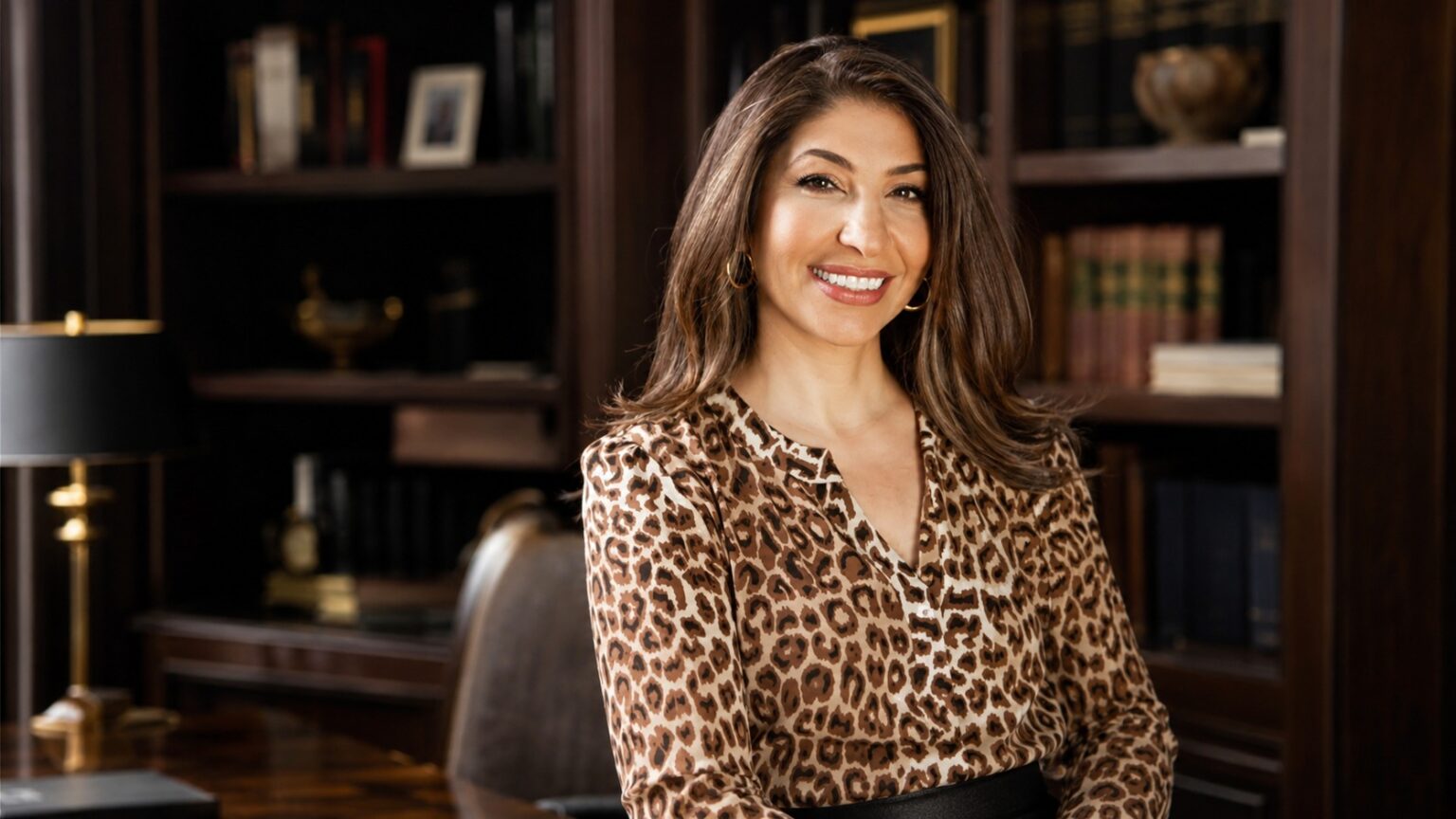
If the ranking has a living embodiment, it is Al Shunnar Plastic Surgery, the Jumeirah Beach Road practice founded in 2005 by Dr. Buthainah Al Shunnar, the UAE’s first female plastic surgeon, a full decade before medical tourism had a government dashboard. Her clinic predates the boom that now surrounds it, which is precisely what makes it the right lens for reading where that boom is exposed.
Dubai’s own numbers frame the prize. The Dubai Health Authority reported more than 691,000 international health tourists in 2023, spending over AED 1.03 billion, up from 674,000 visitors and AED 992 million the year before. Those numbers explain the gold rush: clinics have multiplied across the emirate, international franchises have arrived, and marketing budgets increasingly decide which operating theatre a tourist lands in. The boom is real. So is its structural weakness.
The Problem With Selling Geography
An honest account has to concede what the top-four ranking cuts both ways on. A market prized for its openness to foreign patients also attracts the volume end of the trade: package pricing, compressed consultations, surgery sold like a hotel upgrade. Every complication that flies home with a patient debits the reputation of the entire destination, not just the clinic that caused it. Aesthetic tourism destinations do not fail because demand disappears. They fail because trust does. Which makes the most strategically interesting institutions in Dubai’s market the ones that accumulated trust before the boom made it profitable.
Two Generations Deep
Al Shunnar’s own training is the kind that cannot be franchised: an honours degree from the Royal College of Surgeons in Ireland in 1991, general surgery at Johns Hopkins and George Washington University Hospital, plastic surgery at Johns Hopkins, certification from both the American Board of Plastic Surgery and the American Board of Surgery, then consultant posts in Pennsylvania and at Sheikh Khalifa Medical City in Abu Dhabi before Dubai. By its own count, the practice has performed more than 30,000 surgeries for some 13,000 patients over two decades.
The story runs a generation deeper. Her mother was the UAE’s first female gynaecologist, credited with delivering more than 18,000 babies. Two Emirati women, in succession, built firsts in the country’s medical profession, and the second of them did it in a specialty where a female surgeon materially changes who seeks care at all: across the region, many women will consult a female physician or none. That is not a marketing angle. It is market access, and it predates every acquisition funnel in the industry.
Anchored Below the Trend Line
The practice’s clinical mix matters as much as its history. ISAPS’s own data shows how violently aesthetic demand now rotates: eyelid surgery rose 13.4 percent in a year to become the world’s most performed procedure while rhinoplasty fell 10 percent. A clinic built purely on whatever is trending is exposed to the same cycle that made it. Al Shunnar’s practice spans breast cancer reconstruction, microsurgery and hand surgery alongside aesthetic work, disciplines that do not follow fashion, and that keep a surgical team’s standards calibrated to medicine rather than to demand.
That is the comparison the market rarely prices. A new clinic can match the equipment, the interiors and the media spend of an established one within a year. It cannot match twenty years of local outcomes, a reconstruction caseload, or a founding story that is itself part of the country’s medical history. As Dubai’s health tourism figures climb, the emirate’s real export is not capacity, which competitors from Riyadh to Istanbul are building too. It is credibility per procedure. On that measure, the institutions that predate the boom are not incumbents to be disrupted. They are the collateral the whole destination borrows against.