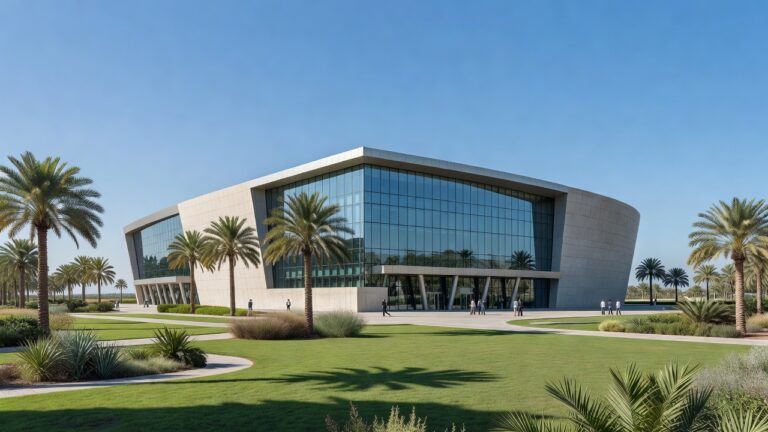





Abu Dhabi School of Management and Siemens Energy convened CIOs and industry leaders to advance AI-driven business transformation according to the Emirates News Agency. The gathering brought together technology executives from across the region to examine practical applications of artificial intelligence in optimising operations and fostering innovation. Participants explored case studies demonstrating measurable gains in efficiency and sustainability with a particular focus on the energy sector where AI tools are already delivering results. The event underscored the UAE’s push toward becoming a regional hub for digital technologies.
Siemens Energy has reported record orders and revenue in its latest quarter driven largely by demand linked to AI data centres and power projects in the Middle East a Reuters analysis found. The company’s order backlog reached €162 billion reflecting strong momentum in gas services that grew 61.9 percent on a comparable basis. Data centre operators and Middle East customers accounted for about half of its gas turbine orders during the period according to the company. These developments illustrate the tangible business value that AI integration can unlock when scaled effectively.
A Siemens report on industrial AI indicates that 65 percent of organisations have achieved energy savings averaging 23 percent through such technologies while 59 percent reported CO2 reductions averaging 24 percent. In the Middle East 68 percent of executives view digitalisation as critical to the energy transition and 62 percent anticipate AI reshaping organisational operations within three years an Infrastructure Transition Monitor assessment showed. Additionally a joint ADNOC and Microsoft survey placed the share of energy firms using agentic AI at one in five with 88 percent of executives believing the technology exerts a positive impact on the sector.
The forum featured discussions on bridging the gap between AI pilots and full-scale deployment with speakers highlighting the need for robust data governance and talent development. One session drew on Siemens Energy’s collaboration with DEWA which deployed the world’s first AI-driven gas turbine intelligent controller resulting in an additional 29 megawatts of power generation and annual carbon emission cuts of 28 530 tonnes according to the utility. Such examples served to demonstrate how targeted AI applications can align with broader national goals for sustainability and economic diversification.
Industry leaders at the event emphasised collaborative approaches between academia government and the private sector to accelerate AI adoption. The Abu Dhabi School of Management positioned the gathering as part of its commitment to equipping executives with forward-looking skills in digital transformation. Further sessions addressed implementation challenges including infrastructure requirements and ethical considerations ensuring discussions remained grounded in actionable insights for participating organisations.