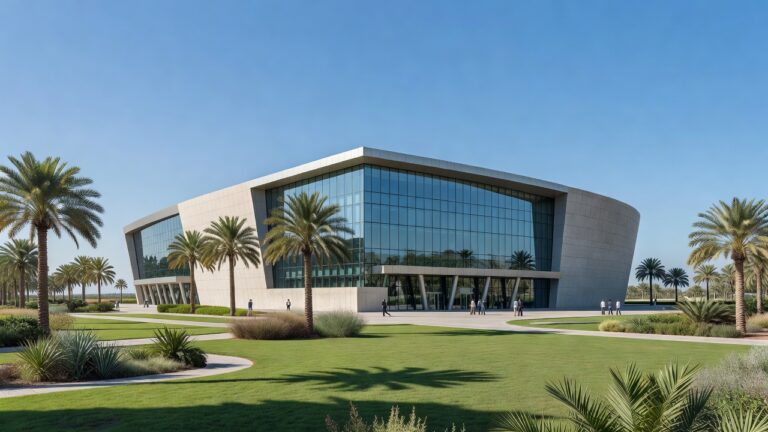



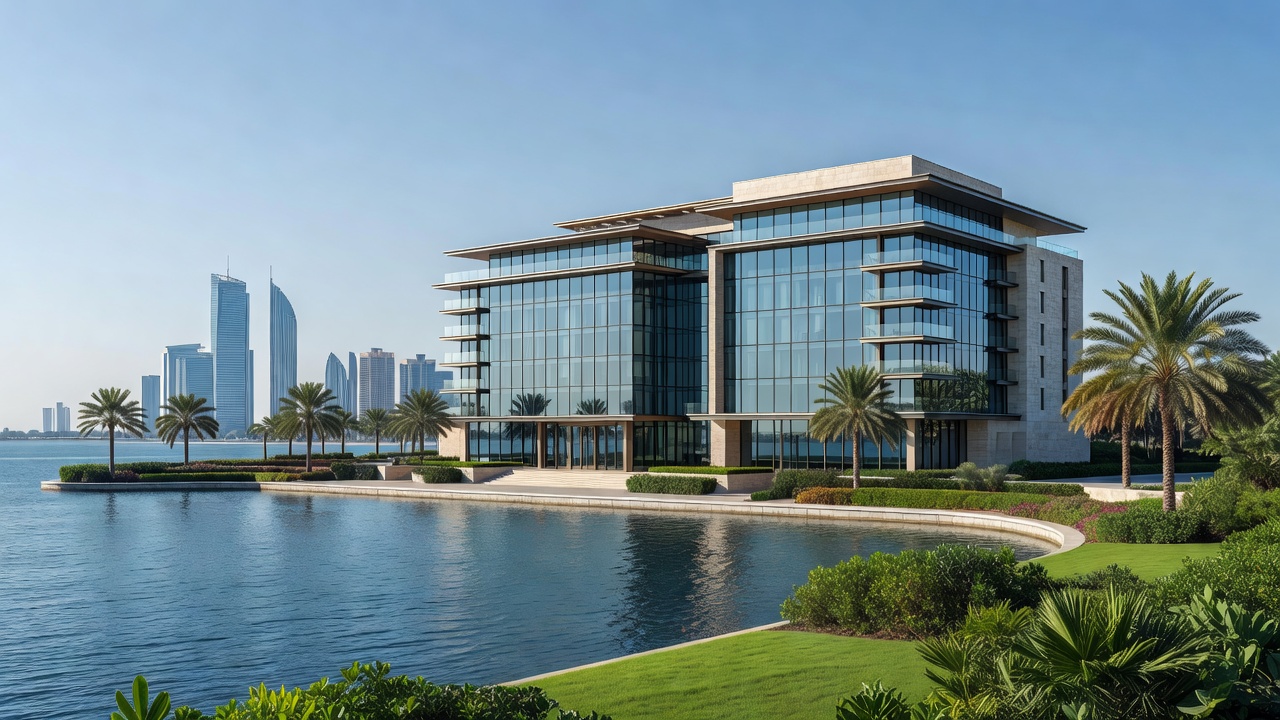

The Emirates News Agency reported that this year’s edition built upon prior gatherings by focusing on innovation, sustainability and investment as drivers of long-term prosperity across the Middle East and North Africa. Hosted at Rosewood Abu Dhabi, the event convened government officials, business executives and economic experts for panel discussions and networking sessions that explored ways to strengthen resilience amid global uncertainties. Organizers positioned the summit as a key platform for shaping policy dialogue, with particular attention to the UAE’s ongoing economic diversification efforts. The return to Abu Dhabi reinforces the emirate’s role as a preferred venue for high-level economic forums in the Gulf.
Previous iterations of the summit, including the 2025 edition opened by Sheikh Nahyan bin Mubarak Al Nahyan, Minister of Tolerance and Coexistence, had highlighted the MENA region’s outlook amid shifting global realities, according to WAM coverage. The 2024 gathering similarly centered on navigating economic landscapes beyond that year while emphasizing new opportunities for growth. This continuity has helped establish the annual event as a fixture for regional stakeholders seeking collaborative solutions. Related announcements with partners such as the Abu Dhabi Global Market have underscored commitments to sustained dialogue on economic development.
International Monetary Fund data places projected UAE real GDP growth at 3.1 percent for 2026, with consumer prices expected to rise by 2.5 percent as non-oil sectors now account for the majority of output. The IMF assessment reflects steady expansion in financial services, tourism and technology despite regional headwinds from trade disruptions. Such projections provide a backdrop for summit discussions on how the UAE can maintain momentum through targeted reforms and international partnerships. The fund’s figures align with broader efforts to reduce reliance on hydrocarbons while building a knowledge-based economy.
A World Bank review of UAE prospects noted that growth could stabilize around 4 percent in coming years if business reforms accelerate and non-hydrocarbon sectors continue expanding in construction, trade and services. The bank’s analysis pointed to the country’s robust fiscal position as a buffer against external shocks, including those stemming from geopolitical tensions. Summit participants referenced these benchmarks while considering strategies to enhance the region’s supply chain resilience and attract further foreign direct investment. These insights informed conversations on policy measures that could support inclusive economic advancement.
The summit agenda included sessions on digital transformation and green initiatives, which organizers described as essential for positioning the UAE and its neighbors as leaders in the economy of tomorrow, per the Emirates News Agency. Attendees examined case studies of successful diversification models and potential barriers to scaling innovation across the Middle East. Follow-up coverage indicated that outcomes from the gathering would contribute to ongoing policy development at both national and regional levels. The event concluded with calls for continued cooperation to address shared economic challenges.
Building on the UAE’s established conference infrastructure, the choice of Rosewood Abu Dhabi for the 2026 summit highlighted Abu Dhabi’s capacity to manage large-scale international gatherings efficiently. WAM noted that the venue facilitated seamless interactions among the 1,500-plus delegates from government, industry and academia. This logistical success mirrors trends seen in other high-profile forums hosted in the capital, further elevating its profile as a global economic hub. The summit’s emphasis on forward-looking themes is expected to yield actionable recommendations for stakeholders throughout the region.