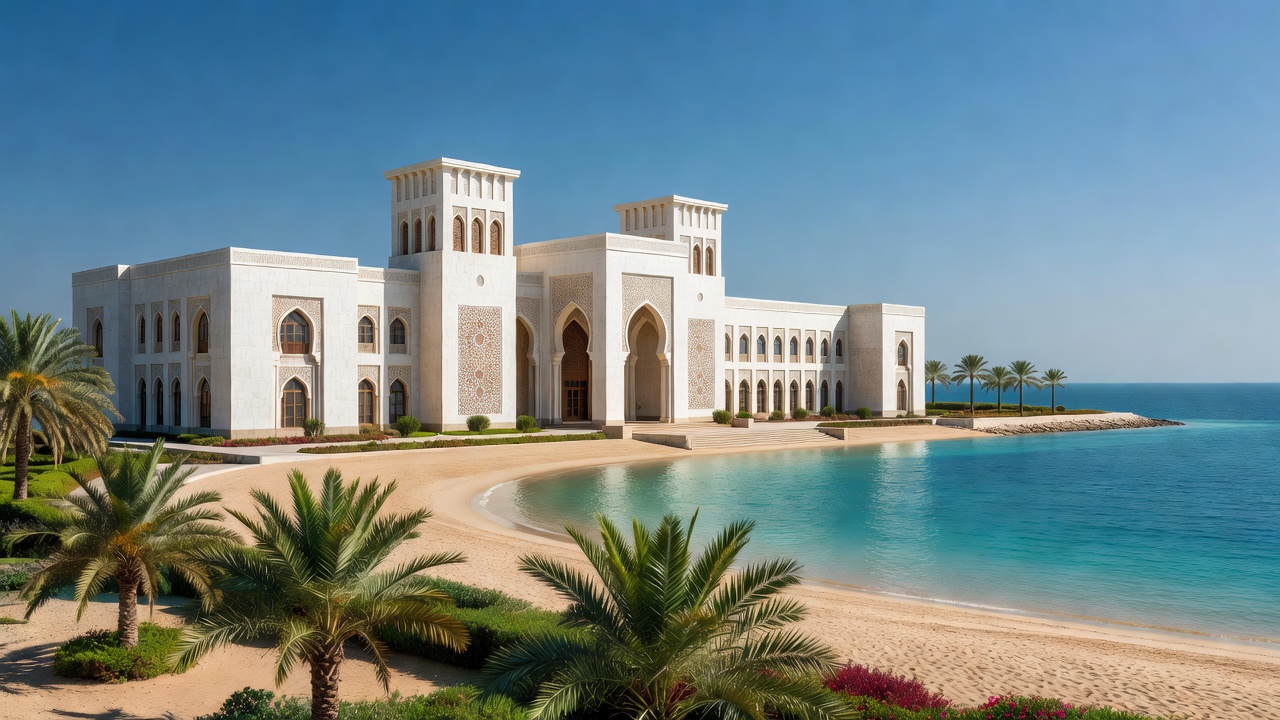

The meeting at Qasr Al Shati saw the UAE President welcome Habeck and his accompanying delegation according to the Emirates News Agency. Sheikh Mohamed bin Zayed and the German minister reviewed the strong friendship between their countries while exploring opportunities to expand collaboration in multiple fields. The two sides focused on ways to advance economic trade and investment links that have matured over decades of partnership.
According to a WAM report the discussions also covered regional and international issues of mutual concern during the reception. Habeck who holds the additional role of Vice Chancellor emphasised the value of direct engagements in pushing forward shared priorities. The encounter reflects a pattern of high-level visits that sustain the strategic relationship between the UAE and Germany.
UAE Ministry of Foreign Affairs data places non-oil bilateral trade at $15.5 billion in 2025 marking a 14 percent rise from the prior year. German imports from the UAE increased by more than 50 percent over the same period while roughly 2,000 German companies maintain offices in the Emirates using the country as a regional base for broader markets. These figures underscore the steady growth in two-way economic activity.
The countries formalised an energy partnership in 2017 that expanded in 2022 to incorporate climate initiatives a joint assessment found. Cooperation now spans hydrogen sustainable aviation fuel renewable projects power connectivity and industrial decarbonisation. ADNOC Gas for instance signed a three-year deal in 2025 to supply 0.7 million tonnes of LNG to SEFE Securing Energy for Europe.
Masdar maintains a 49 percent stake in the 476-megawatt Baltic Eagle offshore wind farm off Germany’s coast that started full operations in 2025 according to project reports. Separately ADNOC’s XRG finalised a strategic investment in German polymer manufacturer Covestro through a transaction valued at €14.7 billion in December 2025. Such investments illustrate the broadening scope of financial and technological exchanges between the two economies.
Additional conversations during the ministerial trip addressed advanced manufacturing innovation and sustainable development objectives. The German delegation comprised officials from key economic and energy departments who supported the detailed talks. Both parties committed to follow-up engagements that will track progress on the identified cooperation areas.