




The National Human Rights Institution has recommended integrating human rights into all stages of climate technology development while calling for prior assessments of their impacts on both people and the environment throughout the entire life cycle from research to operation according to a report it submitted to the United Nations Special Rapporteur on climate change. The submission stresses the importance of involving affected communities in decision-making processes and ensuring they have access to relevant information about these technologies. It also highlights the need to safeguard workers’ rights facilitate fair technology transfer and access and formalize partnerships across governments private enterprises research institutions and human rights bodies.
Dr. Salem Suhail Al Neyadi chairman of the institution explained that the interplay between technology and human rights within climate change is mutual as such innovations help secure basic rights to life health water food housing a sustainable environment and development. “It contributes to protecting the right to life the health the water the food the housing the sustainable environment and the development and some uses may result in effects on human rights and the environment which requires assessment throughout its life cycle” Al Neyadi said. He warned that describing a technology as low-carbon alone does not make it safe or sustainable insisting instead on decisions grounded in science risk assessment transparency accountability data privacy protection and attention to effects on land water biodiversity and working conditions.
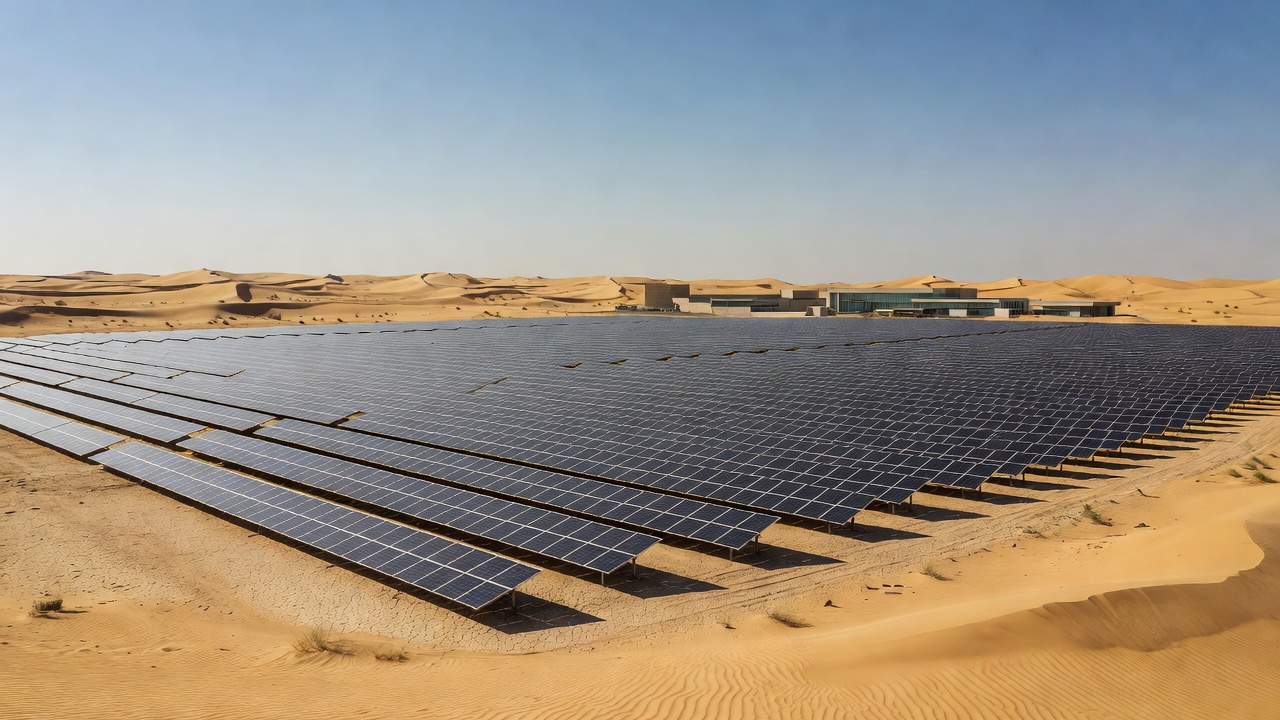
The institution’s report outlined the UAE’s domestic policies that tie climate efforts to innovation and clean power generation pointing to the UAE Energy Strategy 2050 and the Net Zero 2050 Climate Neutrality Strategy as foundational elements. Among the practical examples featured were Masdar’s renewable energy initiatives the Al Reyada carbon capture and storage project and the Mohammed bin Rashid Al Maktoum Solar Park which ranks among the world’s largest. These cases demonstrate how the country is advancing climate technologies while considering broader rights implications.
A 2023 study by the Human Rights Council Advisory Committee evaluated the positive and negative ways new climate protection technologies influence human rights enjoyment. The analysis covered approaches such as carbon dioxide removal and solar radiation management urging states to apply human rights norms to prevent harm. A separate United Nations Environment Programme assessment the following year called for tripling renewable energy capacity by 2030 to align with national climate pledges while identifying barriers to technology transfer in developing countries.
The Global Alliance of National Human Rights Institutions produced practical guidance in 2022 to help such bodies address climate change through a rights-based lens. That document encourages institutions to advise governments on human rights-compliant mitigation and adaptation measures while monitoring related risks and impacts. In 2024 the UAE presented a joint declaration at the Human Rights Council on behalf of more than 60 nations that underscored the disproportionate effects of climate change on vulnerable populations and the necessity of rights-centered policies.
Established in 2021 under Federal Law No. 12 the National Human Rights Institution operates independently to promote and protect human rights in line with the Paris Principles and international commitments. Its latest intervention on climate technologies aligns with ongoing international calls from the Special Rapporteur seeking evidence on the full life-cycle human rights impacts of innovations ranging from geoengineering to artificial intelligence applications in environmental monitoring.