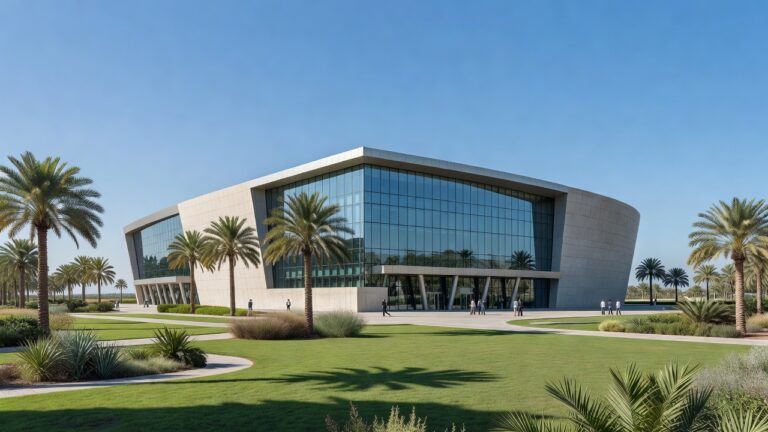





The Abu Dhabi Public Health Centre is organising the ‘Alzheimer’s Disease Continuum’ event scheduled for September 19, which will convene researchers, clinicians and health officials to examine the disease from its preclinical markers through to advanced dementia stages. According to the Emirates News Agency, discussions will centre on biomarker research, early intervention strategies and integrated care models that reflect the condition’s continuous progression rather than discrete phases. The gathering builds on Abu Dhabi’s growing role in neurological health initiatives, including recent launches of specialised diagnostic facilities.
World Health Organization figures show that more than 55 million people globally live with dementia, with Alzheimer’s disease representing 60 to 70 per cent of cases and 10 million new instances emerging each year. A Scientific Reports study of the Middle East and North Africa region placed the 2021 age-standardised prevalence at 772.7 per 100,000 population, a 4.9 per cent decline from 1990 levels, while the United Arab Emirates recorded one of the area’s lower rates at 652.4 per 100,000. The assessment also noted higher burdens among women across prevalence, deaths and disability-adjusted life years.
Cleveland Clinic Abu Dhabi neurology staff physician Hanan Sheikh Ibrahim told The National that evolving science has reframed Alzheimer’s as a manageable condition, stating, “There is a revolution now in Alzheimer’s management. It is no longer a terminal illness. It is a disease we can manage – and you can reduce the risk.” Her remarks, delivered ahead of World Alzheimer’s Day, highlighted that up to 40 per cent of cases could be preventable with early detection through advanced imaging and biomarkers. The September 19 event is expected to expand on these themes with input from international specialists.
The Economist Impact produced a report commissioned by Eli Lilly that outlined the UAE’s steps to address Alzheimer’s through awareness programmes by the Ministry of Health and Prevention and organisations such as 4-get-me-not. The document, released at the 5th Abu Dhabi Brain Conference, recommended a dedicated national plan involving government, industry, academia, patients and caregivers to coordinate responses. It positioned Abu Dhabi to lead regionally by leveraging brain imaging, biomarker laboratories and tailored digital tools.
Global Burden of Disease data analysed in Scientific Reports indicated that the MENA region’s age-standardised death rate from Alzheimer’s and dementias stood at 25.6 per 100,000 in 2021, down 8.6 per cent since 1990, with disability-adjusted life years at 476.3 per 100,000, a 7.7 per cent reduction over the same period. The analysis found prevalence rates rising sharply with age in both sexes, while Lebanon reported the MENA high of 828.25 per 100,000 compared with the UAE’s lower figure. These trends have prompted expanded local infrastructure, including the region’s first centre for advanced neuro biochemical diagnostics using blood-based tests from age 40.
Khalifa University hosted the 9th International Conference on Alzheimer’s Disease and Related Disorders in April 2025, where experts including Professor Marwan Sabbagh of the Barrow Neurological Institute stressed the need for new treatments and early diagnosis to tackle regional challenges. That forum featured keynote sessions on pharmacological advances, non-drug therapies and policy frameworks, setting a precedent for the forthcoming September 19 gathering. Subsequent developments, such as the 2026 opening of dedicated early-detection facilities by the National Reference Laboratory, illustrate Abu Dhabi’s sustained focus on translating research into clinical practice.