



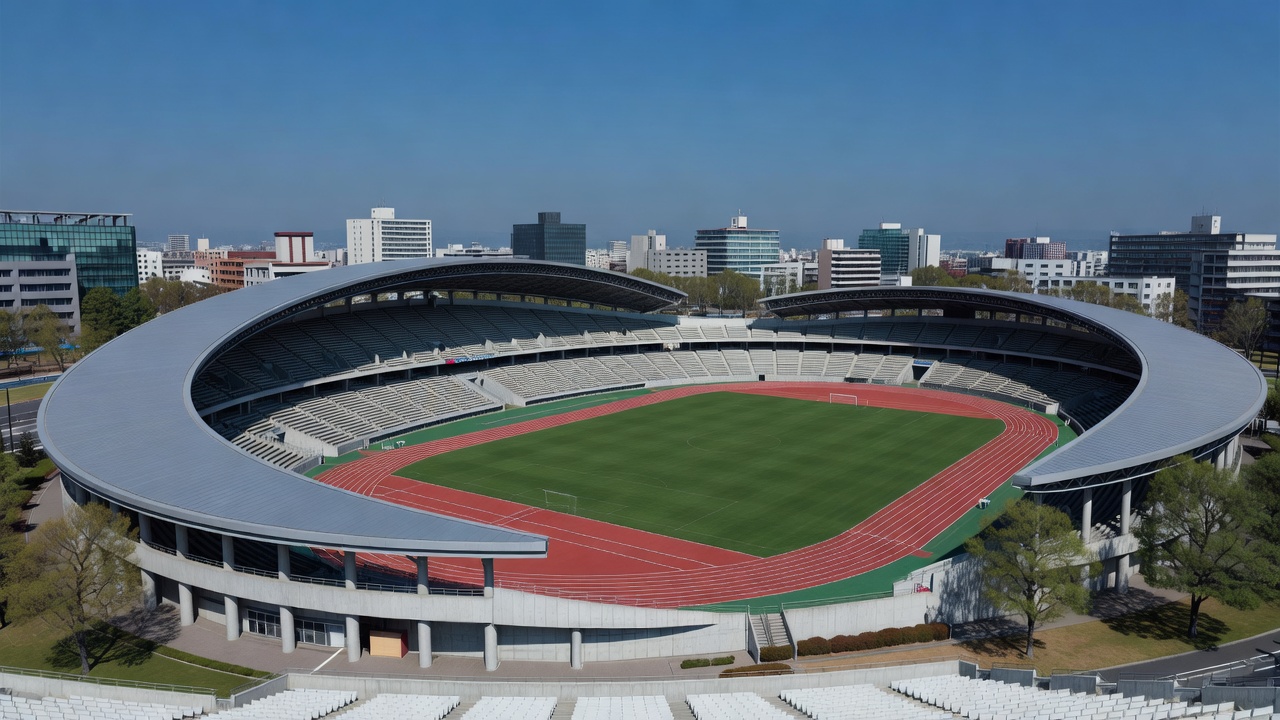

The Asian Paralympic Committee together with the Aichi-Nagoya 2026 Organising Committee have confirmed that the fifth edition of the Games will feature 18 sports, all drawn from the Paralympic programme in a deliberate alignment that organisers say will better prepare regional athletes for global competition. This marks the first hosting of the Asian Para Games in Japan, utilising many of the same venues that will stage the Asian Games in the weeks immediately prior. A total of 508 events are planned, with the main stadium at Paloma Mizuho in Nagoya serving as the centrepiece for athletics as well as the opening and closing ceremonies.
According to the organising committee, Asian Para Games in Japan to attract 4,000 participants from 45 countries when the event runs from October 18 to 24 next month, continuing a trend of broad regional engagement that has seen participation grow since the inaugural edition. The Asian Paralympic Committee figures show the 2010 Guangzhou Games drew 3,798 athletes from 41 nations while the 2022 Hangzhou edition attracted approximately 5,190 from 44. Such numbers underscore the event’s rising profile as the continent’s foremost para sport gathering after the Paralympic Games themselves.
In a statement, Asian Paralympic Committee President Majid Rashed expressed satisfaction with the confirmed programme, noting it would provide essential planning clarity for national teams. “We’re delighted to announce the full list of sports which will give certainty to the athletes and NPCs planning for the Aichi-Nagoya Asian Para Games,” Rashed said. The sports include para archery, athletics, swimming, wheelchair basketball, goalball and wheelchair rugby among others, with several disciplines offering multiple medal opportunities across classifications.
Data compiled on the official Asian Para Games website places the 2018 Jakarta Games as the largest to date in terms of athlete numbers with 4,461 competitors from 43 countries competing in 22 sports. The reduction to 18 sports for the Japanese edition reflects a focus on those with established Paralympic pathways, according to the Asian Paralympic Committee assessment. All 45 National Paralympic Committees from across Asia are expected to field delegations, ensuring comprehensive representation at the event.
The Games build upon the legacy of the Far East and South Pacific Games for the Disabled that preceded the current format, with the Asian Paralympic Committee noting a steady expansion in both competitive depth and public awareness of para sports throughout the region. Japanese organisers have emphasised accessibility upgrades at all venues while promoting the motto “Imagine One Heart” to highlight themes of unity and inclusion. Further announcements on ticketing and spectator arrangements are anticipated in the coming weeks from the local organising committee.