



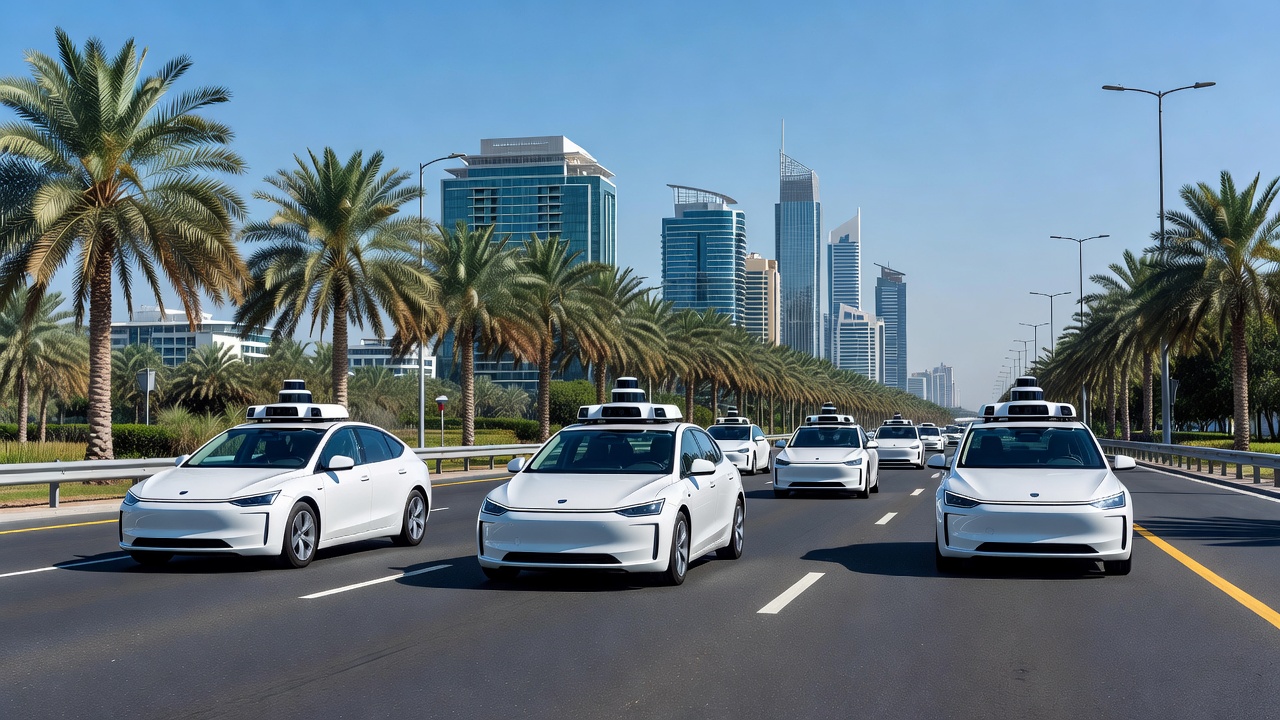

The Roads and Transport Authority detailed that the fleet currently stands at 144 vehicles with 48 in active service completing an average of 50 trips each day across designated zones. Ahmed Bahrozyan, CEO of the RTA’s corporate technology support services sector and chair of the Autonomous Transport and Aerial Taxi Committee, said that the figures show growing public acceptance of the technology. He added that the progress is an important step towards Dubai’s target of making 25 percent of all transport trips autonomous by 2030.
According to the authority the service is introduced in stages through testing in selected areas under real traffic conditions that allow operators to assess vehicle performance and user interactions. This methodical rollout has generated valuable data from the accumulated kilometres that companies use to refine autonomous systems. The programme is advancing from operations with safety drivers toward fully driverless rides that require no onboard human supervision.
RTA figures identify partnerships with Baidu’s Apollo Go, WeRide and Pony.ai as central to development of the robotaxi network. Baidu’s fully driverless Apollo Go vehicles have become available via the Uber app in specific areas where New Horizon Luxury Transport manages the fleet. These collaborations enable the emirate to integrate self-driving technology gradually while maintaining strict safety protocols.
The authority noted that Dubai’s population has now crossed 4 million which has intensified demand for varied mobility solutions including taxis and app-based services. In the first half of 2026 public transport shared mobility and conventional taxis carried around 348 million passengers across the emirate. Robotaxis function as a complementary option alongside the metro bus network and ride-hailing platforms already in widespread use.
RTA data places the 97 percent satisfaction rate as evidence of positive rider experiences with the autonomous service to date. The authority’s report indicated that the milestone kilometres and trip totals signal a shift from initial testing phases into broader public deployment. Further expansion will build on the operational insights gathered so far to cover additional districts in coming months.
Bahrozyan told reporters that the accumulated experience supports the emirate’s strategic vision for autonomous mobility that aligns with long-term urban development objectives. The authority continues to work with technology providers to scale the fleet responsibly while prioritising regulatory compliance and user safety. Operational statistics will be updated regularly as the service matures and incorporates lessons from daily runs.