



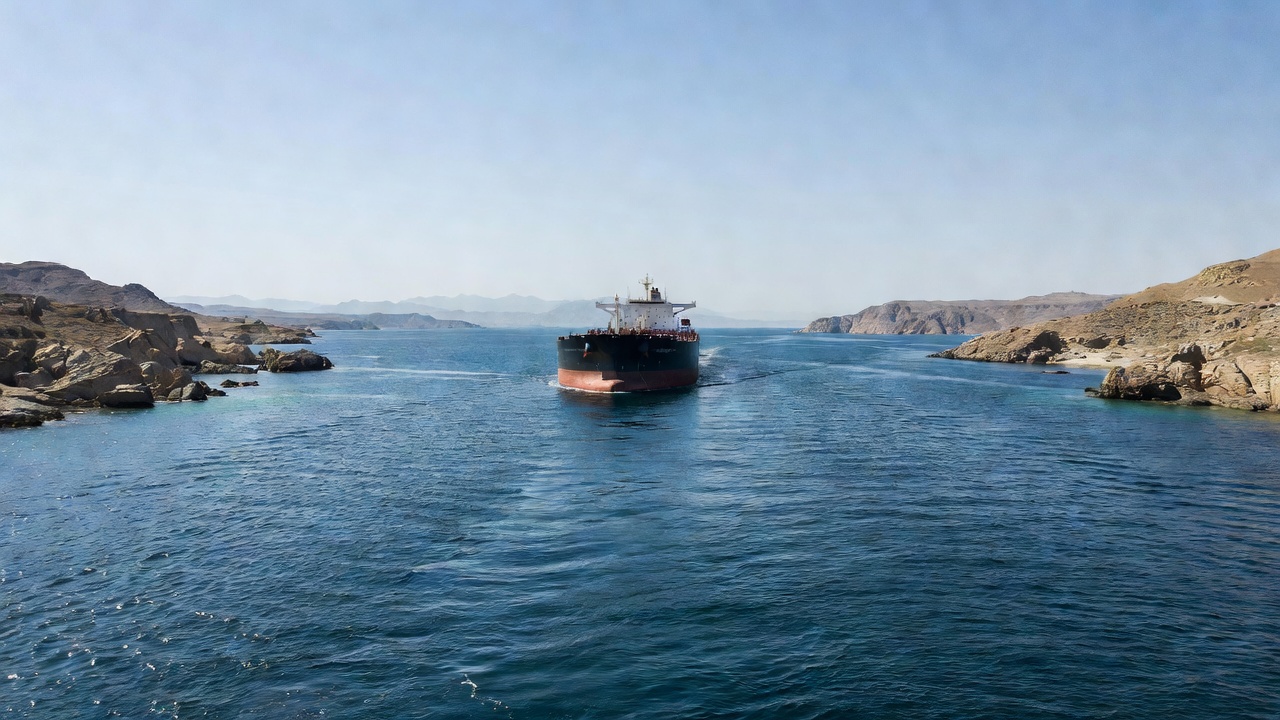

Jasem Mohamed Albudaiwi, Secretary-General of the Gulf Cooperation Council, condemned in the strongest terms the Iranian attack on a tanker belonging to ADNOC of the United Arab Emirates while it transited the Strait of Hormuz, according to a statement from the GCC General Secretariat. Albudaiwi described the strike as a dangerous and unacceptable escalation as well as a direct threat to the security and safety of maritime navigation and international trade in one of the world’s most vital waterways. The secretary-general stressed the GCC’s categorical rejection of any Iranian attempts to convert the strategic passage into a tool for pressure and threats.
Albudaiwi called on the international community to assume its responsibilities and take a firm stance to stop the dangerous attacks, prevent their recurrence and ensure freedom and security of maritime navigation in line with international law, the law of the sea and relevant resolutions, the GCC statement indicated. Saudi Arabia condemned the targeting of the tanker in the strongest terms, describing Iran’s continued actions as a grave breach of international law and UN Security Council Resolution 2817, according to regional reports. Qatar and Jordan also issued statements denouncing the missile strike as a flagrant violation and affirming support for the UAE.
The UAE reported that the attack involved a missile but produced no casualties, Al Jazeera reported on August 8, 2026. The incident forms part of recurring tensions that have affected shipping in the Gulf. Multiple Gulf governments held Tehran responsible for the consequences and demanded an immediate halt to such strikes.
The US Energy Information Administration data places annual oil transit through the Strait of Hormuz at roughly one-fifth of global petroleum liquids consumption. Such volume underscores the waterway’s role as a critical chokepoint where disruptions can affect energy markets worldwide. GCC member states have long emphasized the importance of stability in the corridor for regional and international economic activity.
Albudaiwi’s remarks reaffirm the bloc’s solidarity with the UAE following the attack on the ADNOC vessel. The statement highlights the need to protect civilian facilities and property from similar assaults. Regional cooperation among Gulf states has focused on coordinated diplomatic responses to threats against shared maritime interests.
Further condemnations from across the GCC echoed the secretary-general’s position that targeting navigation constitutes piracy and an unacceptable violation. The unified stance comes as authorities monitor developments to maintain safe passage for commercial shipping. The GCC General Secretariat issued the condemnation from its base in Riyadh on the day of the reported strike.