



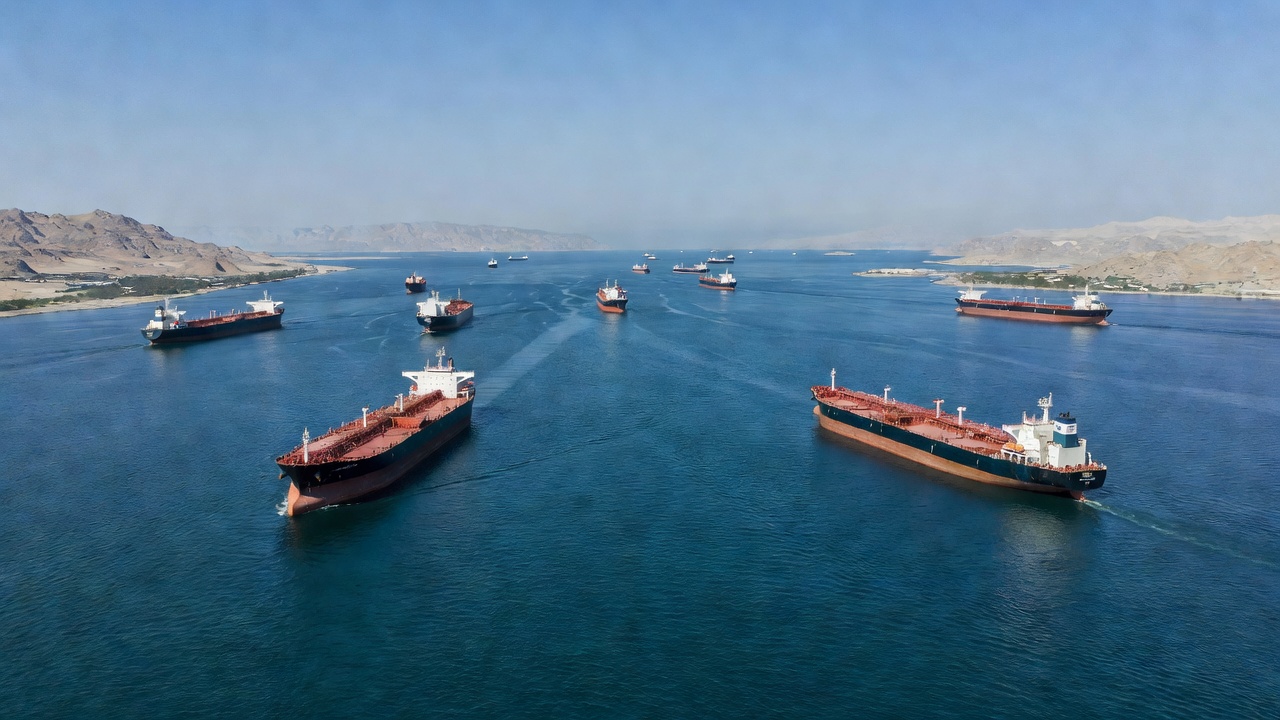

Syria’s Foreign Ministry issued a statement condemning the Iranian attack on an oil tanker operated by the UAE’s Abu Dhabi National Oil Company while it was transiting the Strait of Hormuz, the Syrian Arab News Agency reported on August 8. The Ministry of Foreign Affairs and Expatriates reaffirmed the Syrian Arab Republic’s solidarity with the sisterly United Arab Emirates and reiterated its rejection of any acts targeting the security of maritime navigation in international waterways. It stressed the importance of respecting the sovereignty of states and safeguarding international trade routes in a manner that contributes to preserving regional security and stability, according to the statement. The position aligns with a wave of similar denunciations from neighboring Arab states responding to the same event.
The UAE Foreign Ministry described the event as a hostile Iranian attack that targeted the tanker with a missile, a report in the Jerusalem Post on August 8 indicated. Iranian Revolutionary Guard forces were accused of acts of piracy in the vital waterway, which the UAE said violated a UN Security Council resolution on freedom of navigation. No casualties resulted from the strike, according to initial assessments shared by ADNOC with media outlets. The incident occurred as the vessel was crossing the Strait of Hormuz on Saturday.
ADNOC has documented 15 previous attacks on its vessels by missiles and drones since the regional conflict began in February, the company said in a statement released the day before the latest incident. Those earlier events caused one crew death and injuries to 20 others, ADNOC figures show. The company reported that three additional assaults took place in the week prior, highlighting the persistent threats to its fleet. Operations have been significantly impacted as a result, the energy firm noted.
The Strait of Hormuz remains a critical artery for global energy supplies, with roughly one fifth of the world’s oil consumption passing through it under normal conditions, an OilPrice.com analysis published this week found. Repeated attacks have driven up freight costs and deterred some operators from using the route, according to maritime industry updates. ADNOC has continued efforts to meet customer requirements despite the exceptionally challenging environment created by the assaults.
Saudi Arabia condemned the targeting of the ADNOC tanker and expressed full solidarity with the UAE, Arab News reported on August 8. Jordan and Qatar added their voices to the denunciations, joining a regional consensus against the Iranian action as covered by multiple Gulf publications. The coordinated responses underscore shared concerns over threats to maritime security and international trade in the area.
The International Maritime Organization reported substantial disruptions with about 20,000 mariners and 2,000 ships stranded in the Persian Gulf due to the crisis, an update from the agency indicated. The Syrian statement emphasized that safeguarding navigation in international waterways contributes to overall regional stability, building on its expressed solidarity with the UAE. Such diplomatic positions come amid the ongoing crisis that has seen numerous vessels affected, according to summaries from international monitoring bodies.