



US hyaluronic acid filler procedures rose 1 percent in 2024 while skin resurfacing rose 6 percent. Dubai consultant dermatologist Dr Hassan Galadari says patient expectations are moving in the same direction, towards healthier skin and results that remain difficult to detect.
The most instructive figures in the latest American Society of Plastic Surgeons dataset were not the headline ones. The report records 5.33 million HA filler procedures and 3.70 million skin-resurfacing procedures in 2024, the latter a category covering chemical peels, dermabrasion, microdermabrasion and laser treatments. Neuromodulator injections, the largest single line in the report, rose 4 percent to 9.88 million.
In the 2024 US data, skin resurfacing grew faster than HA filler, although injectables remained considerably larger by volume.
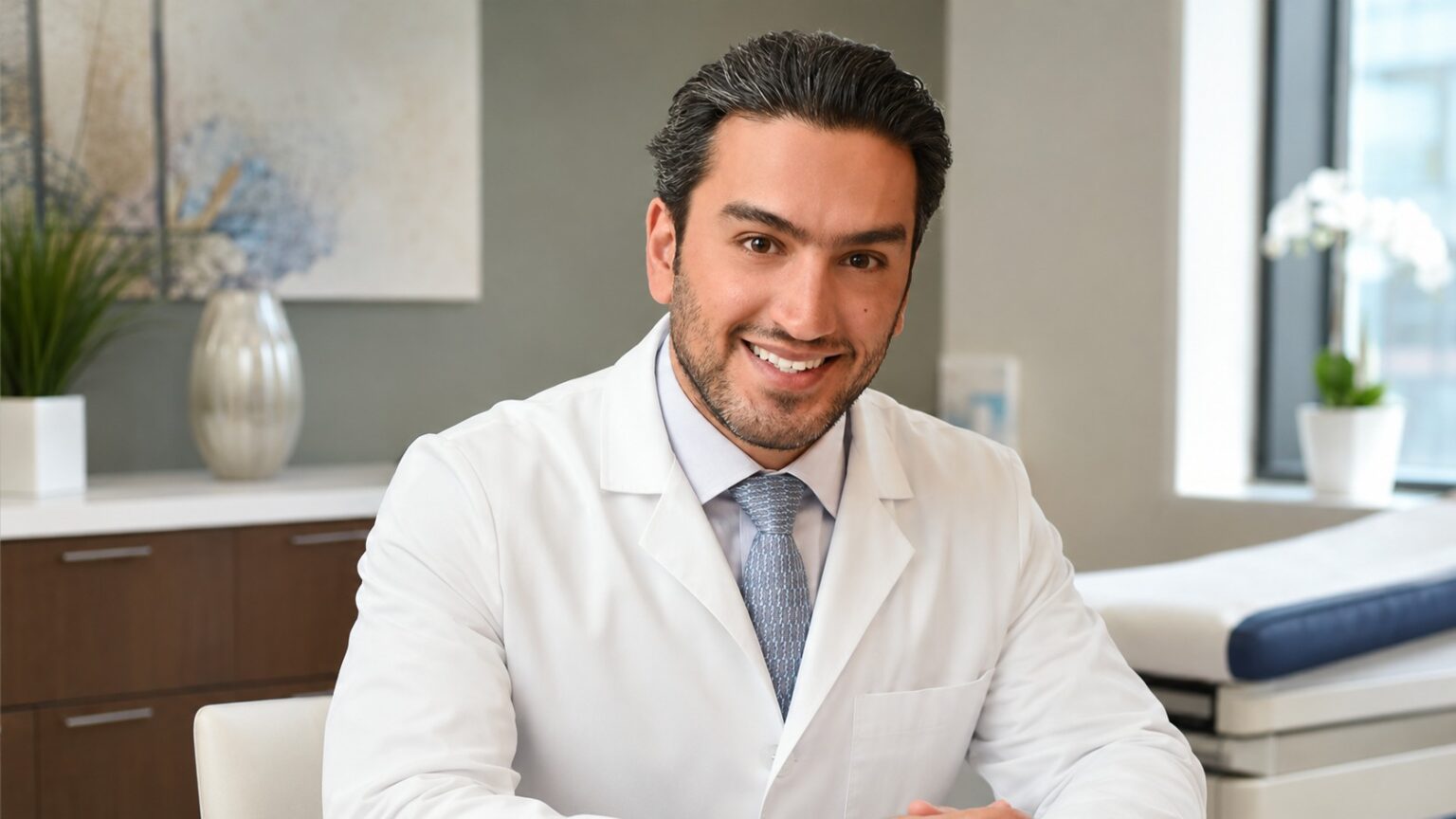
Dr Hassan Galadari argues that the change is definitional rather than statistical. The UAE University academic specialises in cosmetic dermatology and soft-tissue augmentation, a field in which the university says he holds a patent. That makes his argument notable: it comes from an injector rather than a critic of injectables. Speaking to touchDERMATOLOGY in July, he described patients moving away from the exaggerated results associated with the 2010s and early 2020s and increasingly asking how to care for their skin while continuing to look like themselves, linking that to growing interest in skin longevity.
The argument carries more weight from an injector than from a critic of injectables.
What counts as a result
Allergan Aesthetics, the AbbVie unit behind Botox and Juvéderm, reports that 75 percent of surveyed healthcare professionals say patients want natural outcomes, while 53 percent of consumers say they would reduce luxury spending to afford treatment. The manufacturer-funded survey suggests that aesthetic treatment remains a spending priority for many respondents even as expectations change. The definition of a successful outcome is changing, from visible correction towards something a stranger cannot easily identify.
Skin quality moves up the order
Galadari’s published output tracks that reordering. In June 2026, the Journal of Cosmetic Dermatology carried a paper he co-authored proposing that calcium hydroxylapatite protocols be matched to a patient’s photoaging phenotype rather than to skin thickness, on the grounds that thickness is difficult to measure and standardise in practice. In May 2026, the Italian Journal of Dermatology and Venereology published a systematic review he co-authored on intradermal tranexamic acid for melasma. Together, the papers place photoaging phenotype, pigmentation and tissue quality closer to the centre of treatment planning, rather than approaching every aesthetic concern primarily as a question of adding volume.
At the British Association of Dermatologists annual meeting he made the practical version of the same point, arguing that dermatologists should take greater ownership of advice on skin type, products and sun protection.
Maintenance creates a longer clinic relationship
Allergan’s Layered Beauty research, drawn from more than 12,000 consumers across nine countries and presented at the AMWC congress in Monaco in March, found that 62 percent were attracted to multiple treatments, 59 percent were likely to follow a structured multi-treatment approach and 78 percent expected greater satisfaction from an agreed long-term plan. That describes a longer treatment relationship: multiple interventions sequenced through an agreed plan rather than sold as isolated appointments.
Regulation does not establish the maintenance shift, but it shapes how clinics can deliver the procedures within it. The Dubai Health Authority’s Standards for Non-Surgical Cosmetic Procedures, version 2.1, effective 18 February 2025, restrict invasive skin-opening procedures for tightening, lifting or fat dissolution to licensed plastic surgeons and limit platelet-rich plasma to face and hair. The standards do not prescribe a maintenance model, but they reinforce the principle that procedure selection and scope are matters of professional competence rather than interchangeable services.
The evidence has real limits. Nothing in the data shows a retreat from injectables. ISAPS recorded hyaluronic acid procedures up 5.2 percent to 6.3 million in 2024, within a 42.5 percent rise in aesthetic procedures over four years, and much of the natural-results research is commissioned by the companies selling the products. No emirate-level procedure mix is published, so the scale of the shift inside Dubai cannot currently be measured at all.
The Dubai Health Authority recorded 691,000 medical tourists spending AED 1.03 billion in 2023, with dermatology accounting for 27 percent of reported specialty demand. Those figures establish a large inbound dermatology market, but they do not separate medical from cosmetic care or reveal how many patients return for maintenance. A maintenance model would require something different from one-off procedure demand: repeat contact, sequencing and follow-up.
Dubai’s next aesthetics cycle will still run on injectables and devices. Its most valuable results may be the ones nobody identifies as treatment.