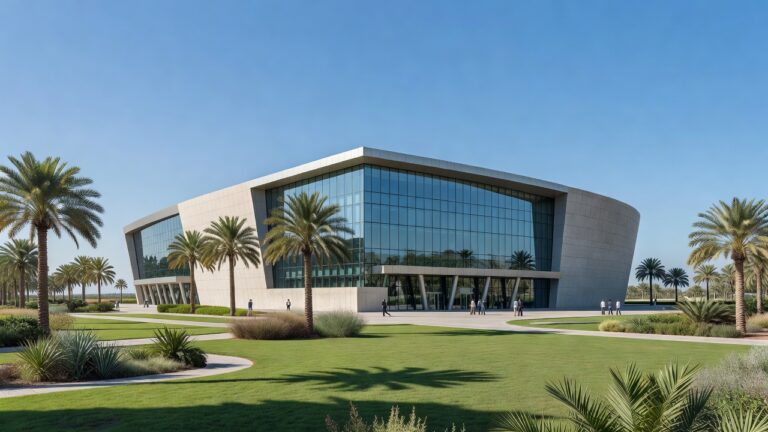



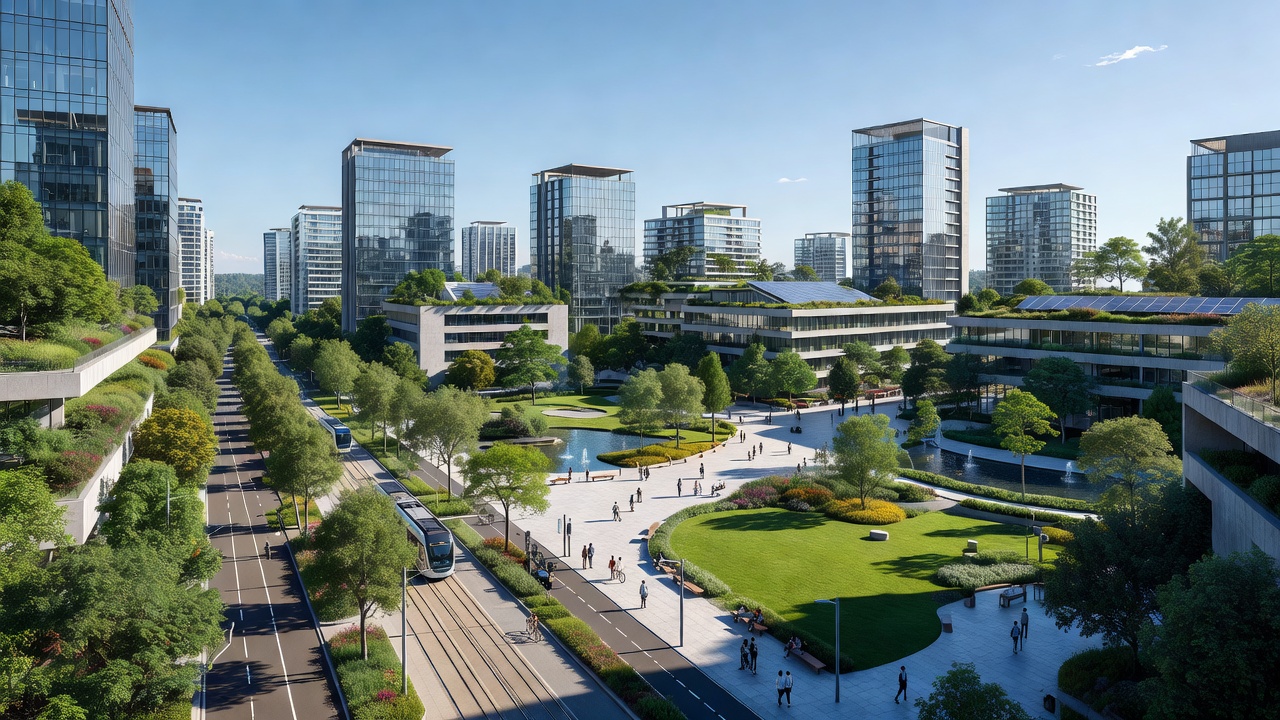

The World Governments Summit report published in June 2026 highlights the emergence of sentient cities as a transformative approach to urban development that places human experience at its core. This shift moves beyond the efficiency gains of smart cities by incorporating behavioral insights and environmental intelligence into planning processes. The document details how urban science enables cities to function as adaptive ecosystems that sense and respond to the needs of their inhabitants in real time. Such advancements aim to boost overall wellbeing and foster greater inclusivity across diverse urban populations.
According to the report, five key strategic themes underpin the development of sentient cities around the world. These include leveraging urban data for predictive planning, designing human-responsive experiences, enhancing sustainability and resilience measures, promoting interdisciplinary governance structures, and cultivating innovation ecosystems. The analysis draws on case studies from London, Singapore and Melbourne to showcase practical applications that have improved mobility options, strengthened resilience against climate impacts and elevated livability standards. These examples demonstrate the value of evidence-based governance in creating more effective urban environments.
The Emirates News Agency covered the report’s findings, emphasising how sentient cities shape future of urban development, place people at centre of planning. This coverage aligns with the UAE’s ongoing initiatives in smart city technologies, which a separate January 2026 WAM assessment found have cemented the country’s regional leadership in the field. Dubai Municipality has similarly advanced future city visions through strategic reports and partnerships, according to agency dispatches from February 2025. The integration of these efforts suggests a conducive environment for adopting sentient city principles at scale.
Further details in the document stress that the effectiveness of sentient cities depends on ethical technology use rather than widespread deployment alone. Planners must balance innovation with considerations for privacy, equity and long-term societal impacts. The report advocates for collaborative models that bring together government, private sector and community stakeholders to guide implementation. This holistic method ensures that technological tools serve to enhance rather than dictate urban living conditions.
Global urbanisation trends add urgency to the adoption of such models, with United Nations data projecting that nearly 70 percent of the world’s population will reside in cities by 2050. The World Bank has previously noted that sustainable urban planning is critical to managing this growth while mitigating environmental pressures. Sentient city frameworks offer tools to address these challenges through real-time data and predictive analytics. International organisations continue to support research in this area to develop best practices.
Research from consulting firms like PwC has underscored the potential economic benefits of advanced urban technologies, estimating significant returns on investment in smart infrastructure across the Middle East. In the context of the Gulf region, these developments complement existing sustainability agendas aimed at creating resilient communities. The sentient city concept builds upon prior smart city investments to deliver more nuanced and responsive outcomes for residents. Local authorities are exploring ways to incorporate citizen feedback mechanisms into these systems for continuous improvement.