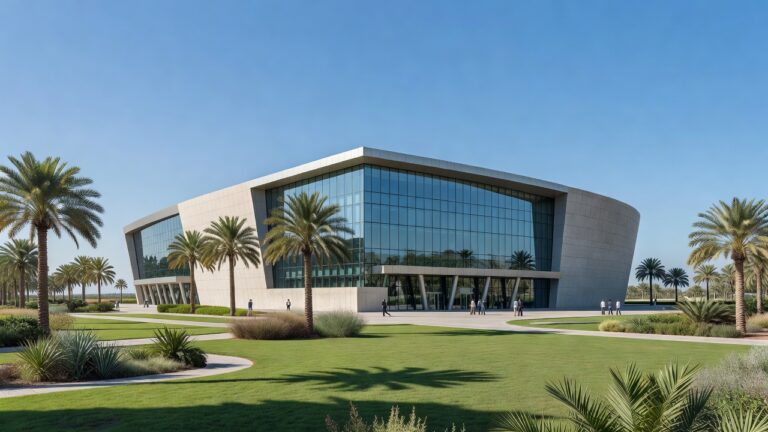



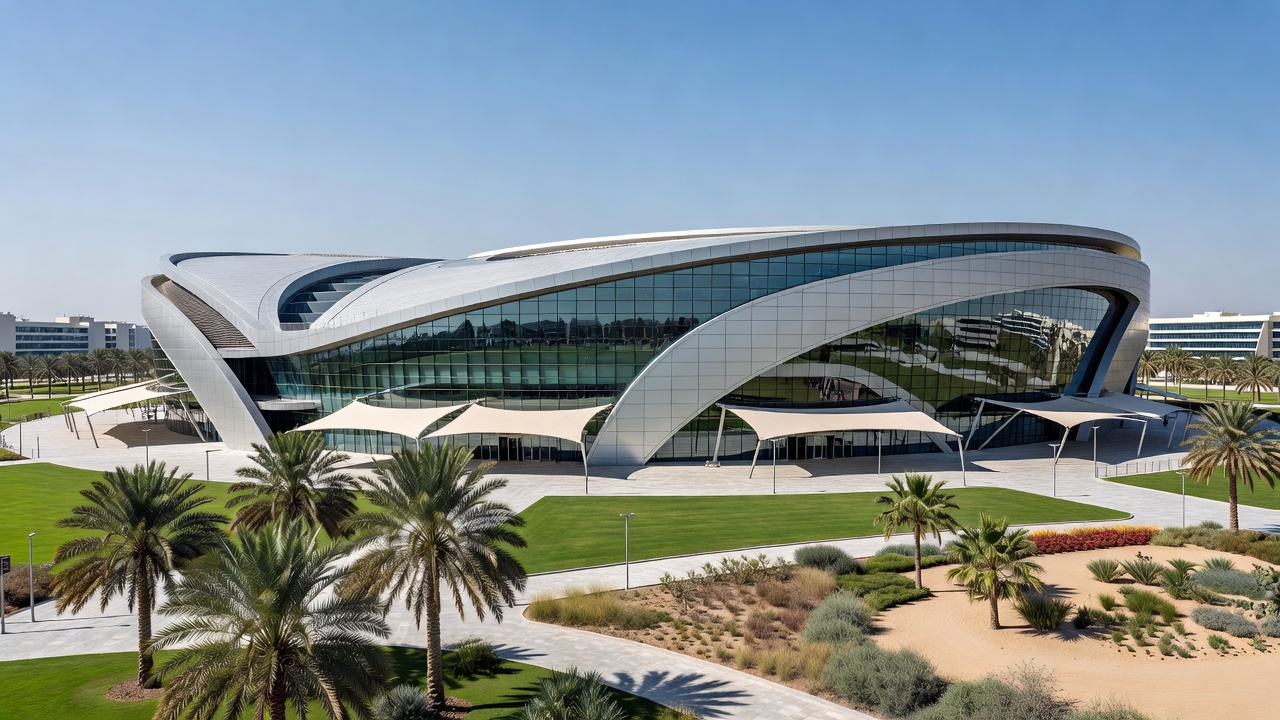

The Emirates News Agency detailed how integrated sports facilities across the country have become central to hosting a steady calendar of high-profile competitions while accommodating multiple disciplines throughout the year. Yas Marina Circuit in Abu Dhabi stands as a prime example, having hosted the Formula One Abu Dhabi Grand Prix annually since its inception and extending its use to tourism, leisure and community motorsport activities. The venue incorporates modern hospitality suites, advanced race control systems and digital infrastructure that support diverse events, a configuration that has drawn praise from international federations.
Hazza bin Zayed Stadium in Al Ain earned recognition as the world’s best stadium in 2014 and has since functioned as a model for smart venues equipped with innovative cooling technology, enhanced fan amenities and comprehensive digital features. The WAM report noted that the stadium has successfully staged numerous continental and international tournaments owing to its technical specifications. Similar standards are evident at the Hamdan bin Mohammed Sports Complex, the region’s largest indoor multi-purpose facility featuring Olympic-standard pools and halls suitable for global championships.
Equestrian and camel racing infrastructure has received particular emphasis in the agency coverage, with Meydan and Jebel Ali racecourses joined by the Emirates International Endurance Village, Dubai International Endurance City, Al Marmoom and Al Wathba tracks. Ahmed Rashed Mohammed Al Kaabi, general manager of the Dubai Equestrian Club, told WAM that these sites meet the highest global standards and confirmed that the endurance city remained operational despite adverse weather through proactive rainfall management. The venues blend traditional cultural elements with contemporary race-management technology to support both competitive and heritage events.
Dr. Abdullah Saif Al Badi, assistant secretary-general of the UAE Karate Federation, described the Zayed Sports Complex in Fujairah as an outstanding example that successfully hosted a record edition of the Karate Youth League, according to the WAM article. The complex is purpose-built for individual and combat sports and has attracted multiple international tournaments. It complements broader hubs such as Zayed Sports City, which offers comprehensive facilities for a wide array of athletic pursuits.
Adel Al Falasi, executive director of the Dubai International Arabian Horse Championship, stated that strong infrastructure has been instrumental to the event’s long-term success by enabling multi-purpose venues including the Dubai World Trade Centre to maintain international standards. The WAM report listed additional football stadiums such as the redeveloped Al Maktoum Stadium, Mohammed bin Zayed Stadium and Al Nahyan Stadium as key assets for major matches. Specialised sites for golf at Emirates Golf Club and coastal water sports further diversify the offering.
A Kearney assessment published in July 2025 found that the Middle East, with the UAE playing a leading role, is unlocking billions in value through global event hosting, talent pathways and infrastructure expansion. An Altman Solon global sports survey documented that the Abu Dhabi Grand Prix has been staged 14 times since 2009 while the Dubai World Cup has run annually since 1996. Industry analysis from 2025 projected the regional sports sector to expand at an annual rate of 8.7 percent, driven in part by sustained investment in sustainable and technologically advanced facilities.
The Emirates News Agency concluded that these developments have enabled the UAE to offer year-round hosting capabilities supported by integrated services and innovation that distinguish its venues on the world stage. Officials from various federations highlighted the emphasis on accessibility, environmental considerations and technical excellence across the network. Ongoing projects continue to reinforce the country’s capacity to secure future major international tournaments.