



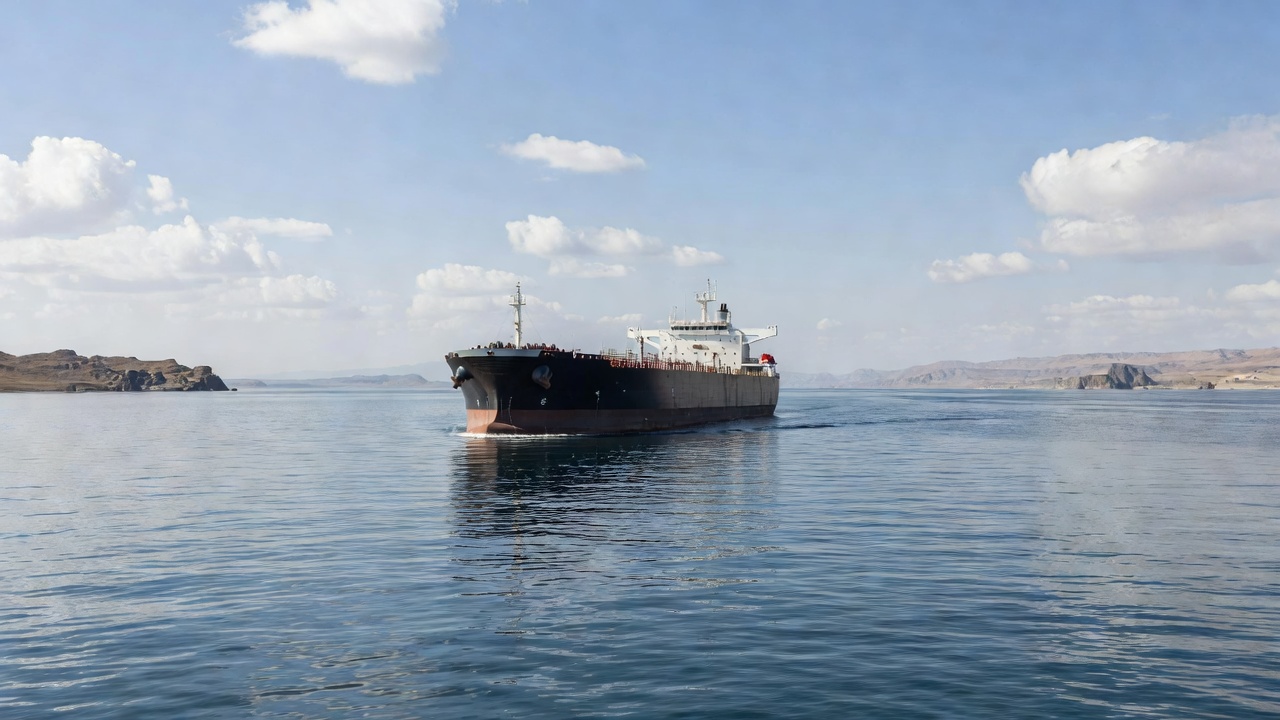

The United Arab Emirates has strongly condemned an Iranian attack that used two drones to target a national carrier affiliated with ADNOC while the vessel was transiting the Strait of Hormuz, the Ministry of Foreign Affairs said in a statement released May 4, 2026. No injuries resulted from the strike, which the ministry characterized as a terrorist act and an instance of piracy by Iran’s Revolutionary Guard Corps that endangers both regional stability and global energy security. In detailing its position, the ministry pointed to the attack as a direct challenge to the free movement of commercial shipping through one of the world’s most critical maritime passages.
According to the ministry’s statement, the assault constitutes a flagrant violation of UN Security Council resolution 2817, which affirmed the importance of freedom of navigation and rejected any targeting of commercial vessels or obstruction of international maritime routes. The Ministry of Foreign Affairs emphasized that employing the Strait of Hormuz for economic coercion or blackmail is unacceptable under any circumstances. Such actions, it added, represent a serious threat that could disrupt energy supplies and undermine broader efforts to maintain peace in the Gulf region.
Qatar joined the UAE in denouncing the incident the same day, with its Ministry of Foreign Affairs describing the strike on the Emirati tanker as a blatant breach of international law and a clear violation of the same Security Council resolution. The Qatari statement called for unified action to protect shipping lanes from further interference. This parallel response from Doha illustrates a shared commitment among Gulf Cooperation Council members to counter threats against commercial navigation in vital waterways.
International Energy Agency figures show that approximately 21 million barrels of oil pass through the Strait of Hormuz daily, accounting for about one-fifth of global petroleum consumption and highlighting the potential impact of any disruption on energy markets. Regional analysts have tracked a series of comparable incidents in recent years that have increased insurance premiums for tankers and complicated supply chain planning for energy exporters. The UAE has accordingly accelerated development of alternative export pathways, including expanded ports on its eastern coast and additional pipeline capacity, to reduce reliance on the strait amid ongoing security concerns.
The Ministry of Foreign Affairs urged the international community to adopt a firm position against any further attacks on commercial vessels operating in international waters. Its statement reiterated the need to uphold established maritime norms so that escalation risks remain contained and energy flows stay reliable. Officials noted that sustained vigilance and diplomatic coordination will prove essential to addressing the underlying tensions exposed by the drone strike.
Details released with the statement indicated that the ADNOC carrier was engaged in standard transit operations at the time of the attack, though the extent of any damage was not specified. The ministry’s communication stopped short of announcing specific retaliatory steps but focused instead on the legal and security implications of the event. Multiple governments with interests in Gulf energy security have since echoed calls for de-escalation to safeguard the critical shipping corridor.