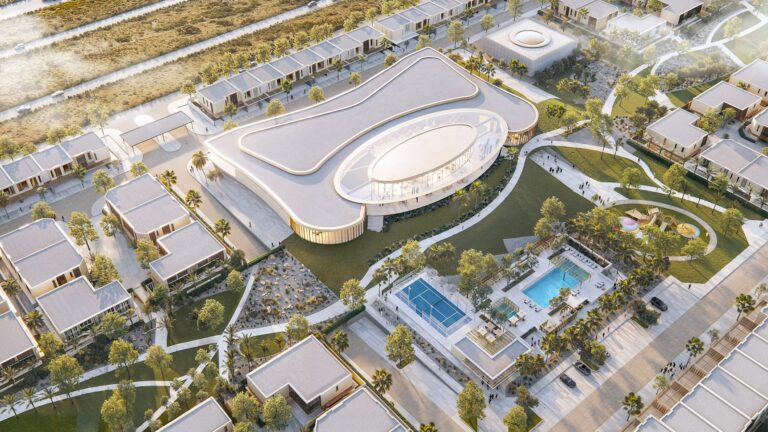


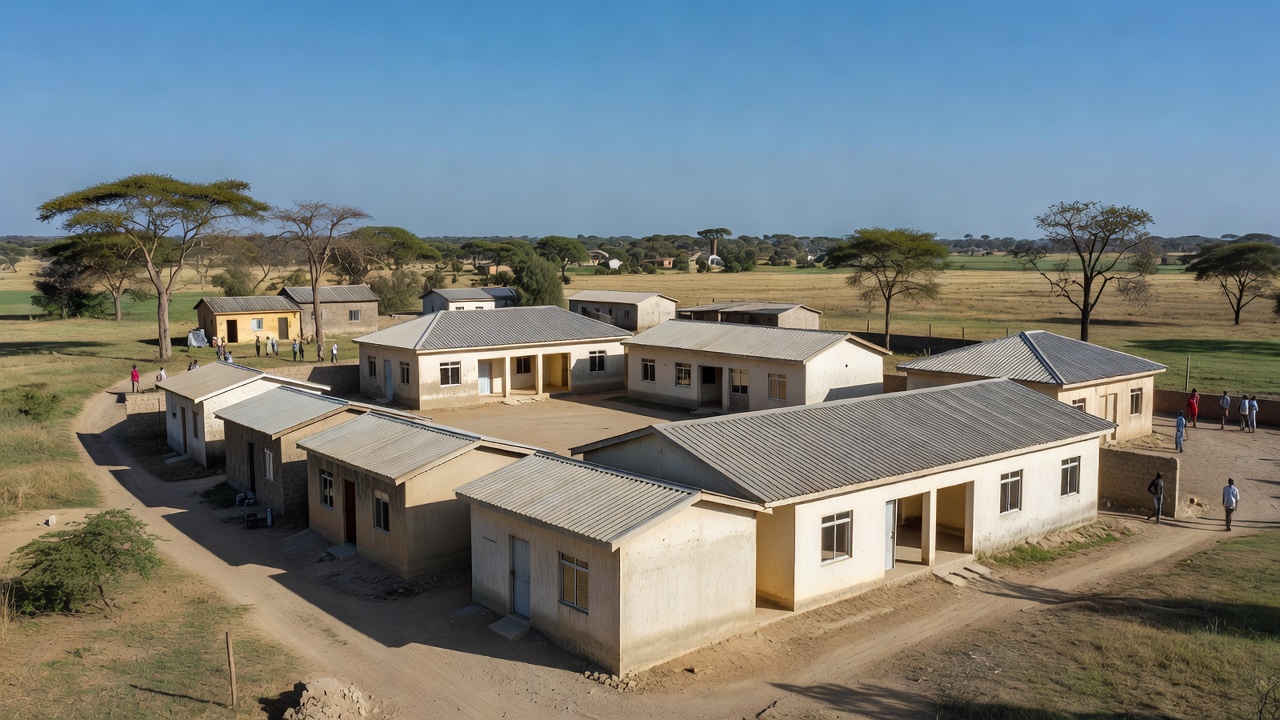

The International Charity Organisation opened a series of residential complexes and schools in Senegal and Benin this month, providing homes for local families and classrooms for students in underserved areas. WAM reported that the projects form part of the UAE-based group’s broader humanitarian programme across Africa, which has seen repeated delegations visit the region to monitor implementation. In an assessment published earlier this year, the organisation detailed how such initiatives address immediate shelter shortages while expanding access to basic education for children in remote villages.
According to WAM, the Senegal component includes multiple housing units alongside an integrated educational complex equipped for both academic and religious studies. The facilities were handed over during a ceremony attended by local officials and ICO representatives, marking the completion of construction that began following field assessments in 2024. Similar residential and learning structures were inaugurated in Benin, where the projects target communities facing comparable development challenges.
World Bank data from 2024 places Senegal’s pre-school attendance at 18 percent for girls and 16 percent for boys, figures that underscore the potential impact of newly opened classrooms in boosting early education enrollment. A separate World Bank review of Senegal’s basic education quality noted moderate improvements in recent projects but highlighted persistent gaps in rural infrastructure that align with the type of facilities the charity has now delivered. Benin has recorded parallel constraints, with integrated social programmes aiming to reach 150,000 people in extreme poverty by 2027 through combined education and livelihood support.
Dr. Khaled Al Khaja, secretary-general of the International Charity Organisation, led earlier delegations that toured comparable sites across Senegal. Speaking during one such visit covered by WAM, Al Khaja said this visit is part of the organisation’s efforts to ensure the high efficiency of project implementation and to achieve the desired goals of supporting needy communities and improving their living conditions. The secretary-general has overseen multiple Africa missions since 2024, including launches valued at millions of dirhams that encompassed wells, mosques and educational centres.
WAM figures show the International Charity Organisation provided more than AED25 million in aid to 17,000 beneficiaries in the first half of 2024 alone, with a significant share directed toward international development projects. Earlier Senegal initiatives launched by the group included 21 water wells, 17 mosques and five Quran memorisation centres at a cost of AED4 million. These cumulative investments have enabled the charity to maintain a consistent presence in both Senegal and Benin, where residential and educational openings represent the latest tangible outcomes.
The newly inaugurated projects in both countries were designed with local input to ensure relevance to community needs ranging from family housing to structured learning environments. ICO statements distributed via WAM emphasised that all facilities meet standards for durability and educational functionality. Ongoing monitoring by the organisation will track usage and impact over the coming years as part of its standard project oversight process.