


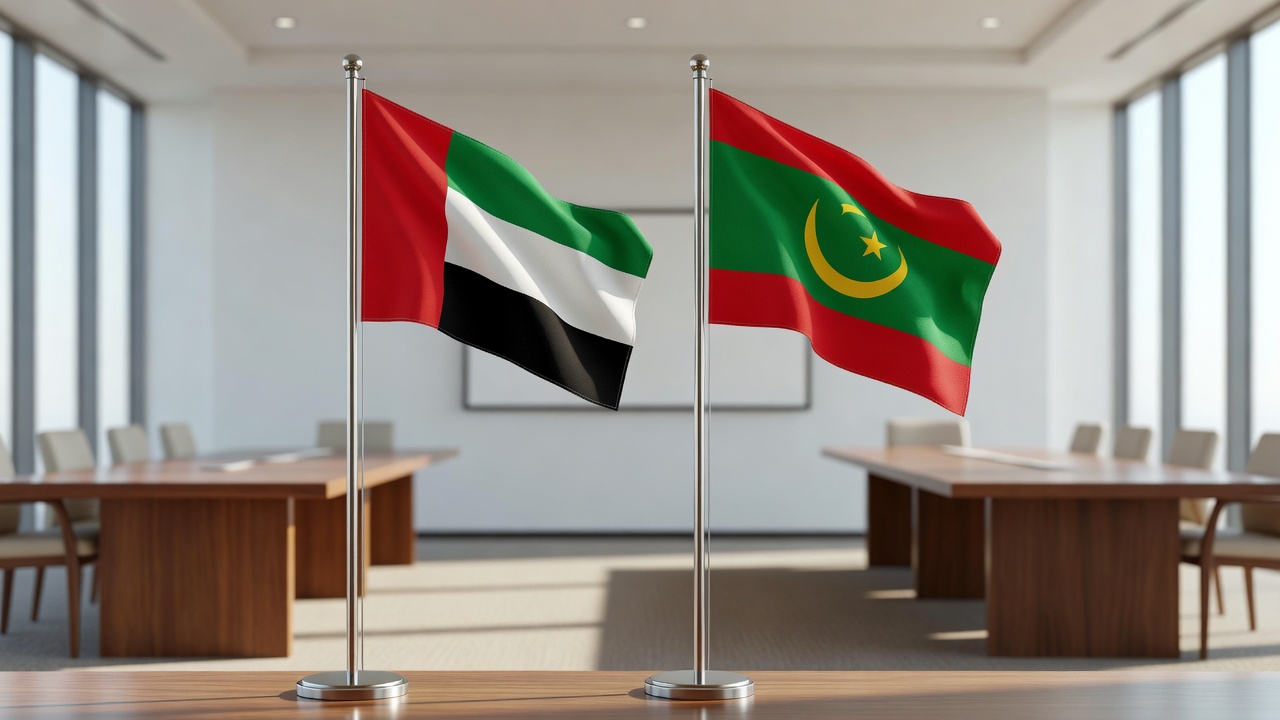

The discussions centred on potential avenues for intelligence sharing and joint initiatives aimed at disrupting cross-border drug operations that affect both regions. According to the Emirates News Agency, the two officials reviewed existing challenges in the Sahel and Gulf areas where trafficking routes intersect. They expressed commitment to developing practical mechanisms that would facilitate faster response times and better coordination among relevant agencies.
Emirates News Agency data indicates the UAE has forged anti-drug alliances with 24 nations, leading to major interceptions of illicit shipments in international waters and on foreign soil. The National Anti-Narcotics Agency has additionally overseen the blocking of 2,297 websites and social media accounts involved in drug promotion over the past year. Such measures have significantly curtailed the reach of traffickers targeting younger demographics through digital platforms.
Al Etihad reported that a federal decree in August 2025 created the National Anti-Narcotics Agency as an independent body reporting to the Cabinet, with Sheikh Zayed bin Hamad Al Nahyan appointed as its president. The new entity absorbed previous functions from the Ministry of Interior and expanded its mandate to include policy formulation, enforcement coordination and international liaison. This restructuring has enabled a more unified national response to the narcotics threat at all levels.
Atlas Info reported that Mauritania recently concluded similar coordination sessions with Algeria to improve border surveillance and information flow on narcotics movement across the Sahara. These engagements highlight a growing regional consensus on the need for collective action against organised crime groups exploiting porous frontiers. The UAE meeting builds on this momentum by extending partnerships beyond immediate neighbours.
A joint statement following the talks outlined plans for follow-up technical visits and specialised training exchanges to build local capacities in detection and prosecution. The National Anti-Narcotics Agency has employed this model successfully in prior agreements to ensure commitments translate into tangible outcomes on the ground. Both parties agreed the collaboration would contribute to broader stability and public health objectives in their respective countries.
The UAE approach integrates strict law enforcement with robust prevention campaigns and rehabilitation services, according to agency briefings. Recent statistics from the body show increased seizure volumes and higher public reporting of suspicious activities following awareness drives. Extending such strategies through partnerships like the one with Mauritania forms a key pillar of the country’s global security engagement.