




Sheikh Zayed bin Hamad bin Hamdan Al Nahyan chairman of the National Anti-Narcotics Authority met with senior officials from the Federal Authority for Identity Citizenship Customs and Port Security to examine ongoing measures aimed at intercepting illicit substances the Emirates News Agency reported. The session focused on coordination between customs inspectors and anti-narcotics teams at key entry points including airports and ports where advanced risk-analysis systems have been deployed to identify suspicious shipments. According to the agency the review highlighted recent operational successes that align with the authority’s mandate to dismantle trafficking networks operating across the region.
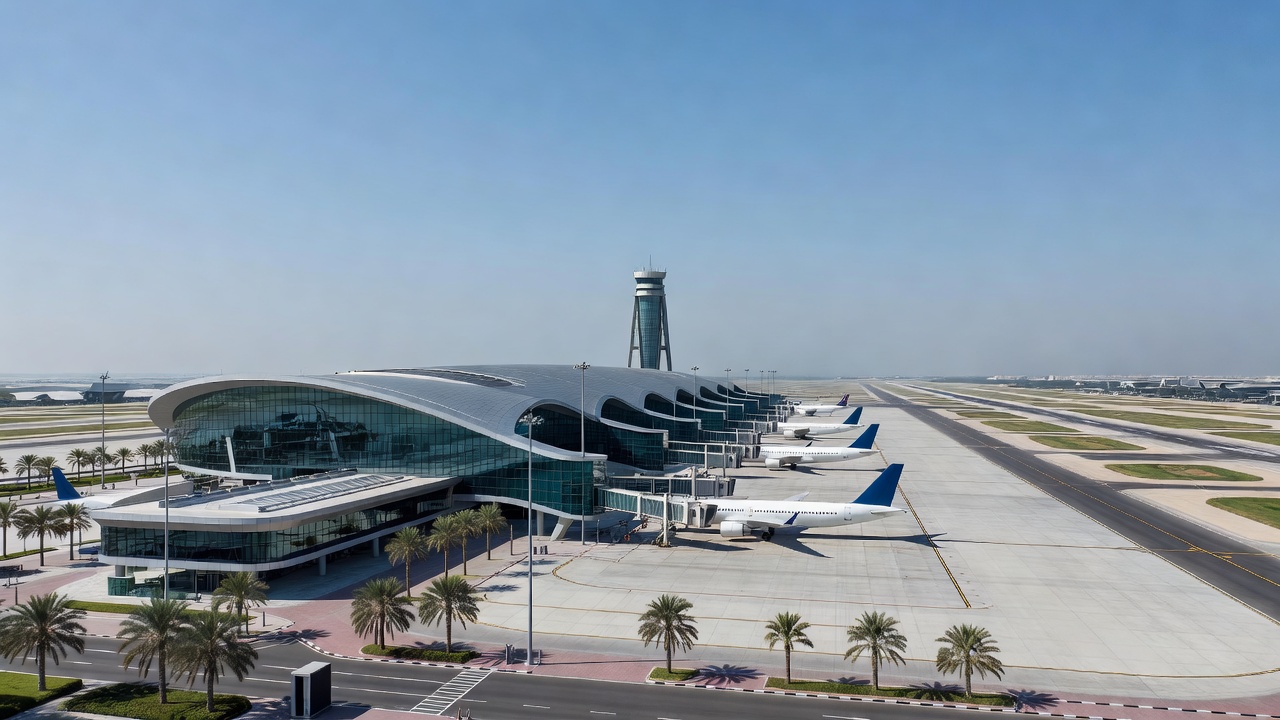
Federal Authority for Identity Citizenship Customs and Port Security data from the past year places the volume of seized narcotics at hundreds of kilograms with multiple operations conducted in cooperation with local police forces. One such case at Zayed International Airport in May 2026 involved the recovery of more than 1.4 kilograms of cocaine concealed inside a passenger according to authority statements. The incident underscored the use of targeted inspections and medical examinations to confirm internal concealment methods commonly employed by traffickers.
Dubai Customs figures released in June 2026 detailed the seizure of 406 kilograms of narcotics along with 2.3 million illicit pills during a series of coordinated actions the authority noted. These operations often begin with intelligence-driven scanning of cargo arriving from high-risk origins and conclude with arrests of distribution cells inside the country. Sheikh Zayed bin Hamad emphasised the importance of sustained inter-agency collaboration to maintain pressure on smuggling routes that target the UAE as both a destination and transit point.
The National Anti-Narcotics Authority which was established in 2025 under Sheikh Zayed bin Hamad’s leadership has prioritised integration of customs intelligence with police enforcement a framework credited with several major busts. In July 2026 Dubai authorities dismantled a network smuggling nearly 279 000 Pregabalin pills weighing around 200 kilograms following detection of a suspicious Asian shipment according to local police statements. Such cases demonstrate the evolution of enforcement tactics that combine technology with human oversight at ports of entry.
Public awareness campaigns and stricter border controls have contributed to the overall decline in successful smuggling attempts Emirates News Agency assessments indicate though exact comparative statistics were not detailed in the briefing. Sheikh Zayed bin Hamad directed officials to expand training programmes for frontline inspectors and to strengthen data-sharing protocols with international partners. The meeting concluded with a commitment to further enhance detection capabilities without providing additional specifics on future timelines or budgets.
UAE authorities have recorded progress in counter-narcotics efforts with the Federal Authority for Identity Citizenship Customs and Port Security reporting consistent interdictions throughout 2026. These actions form part of a broader strategy that includes monitoring maritime routes and air traffic where the majority of attempts are detected. Sheikh Zayed bin Hamad’s review serves as a periodic evaluation mechanism to ensure alignment between policy objectives and field-level execution.