
The agreement was reached in Ulaanbaatar following talks between Suhail Mohamed Al Mazrouei and Dorjhand Togmid, with both sides committing to joint work on energy storage, investment attraction and project implementation, the Emirates News Agency reported. It will also facilitate the exchange of technology, expertise and human resource development while exploring opportunities to export electricity and green hydrogen to regional markets. The memorandum builds on existing economic links and reflects growing interest in cross-border clean energy initiatives across Asia. Mongolian authorities additionally held discussions with the Abu Dhabi Development Fund and G42 group on energy sector reform and data centre infrastructure powered by renewables.
Areas covered by the pact include electricity transmission, distribution networks and systems for energy accumulation, according to a statement from Mongolia’s Ministry of Energy. The framework supports the development of green hydrogen production capabilities that could serve both domestic needs and potential export routes. Officials emphasised the role of such partnerships in diversifying energy sources and building technical capacity in emerging sectors. The deal aligns with UAE efforts to position itself as a global hub for clean energy solutions through international alliances.
International Renewable Energy Agency data places UAE renewable capacity at 7.91 gigawatts at the end of 2025, marking a 15.4 percent increase from the previous year with solar accounting for the majority of additions.[[1]](https://solarbytes.info/emea-bytes/irena-reports-uae-renewable-growth-7-9-gw-2025-solar-additions-11713618) The UAE has raised its clean energy target to 35 percent of the energy mix by 2030 as firm renewables become cost-competitive with conventional sources, according to statements from the energy minister. This growth has been driven by large-scale solar projects and supportive policy frameworks that have attracted substantial investment. Such achievements provide a foundation for knowledge sharing under the new memorandum with Mongolia.
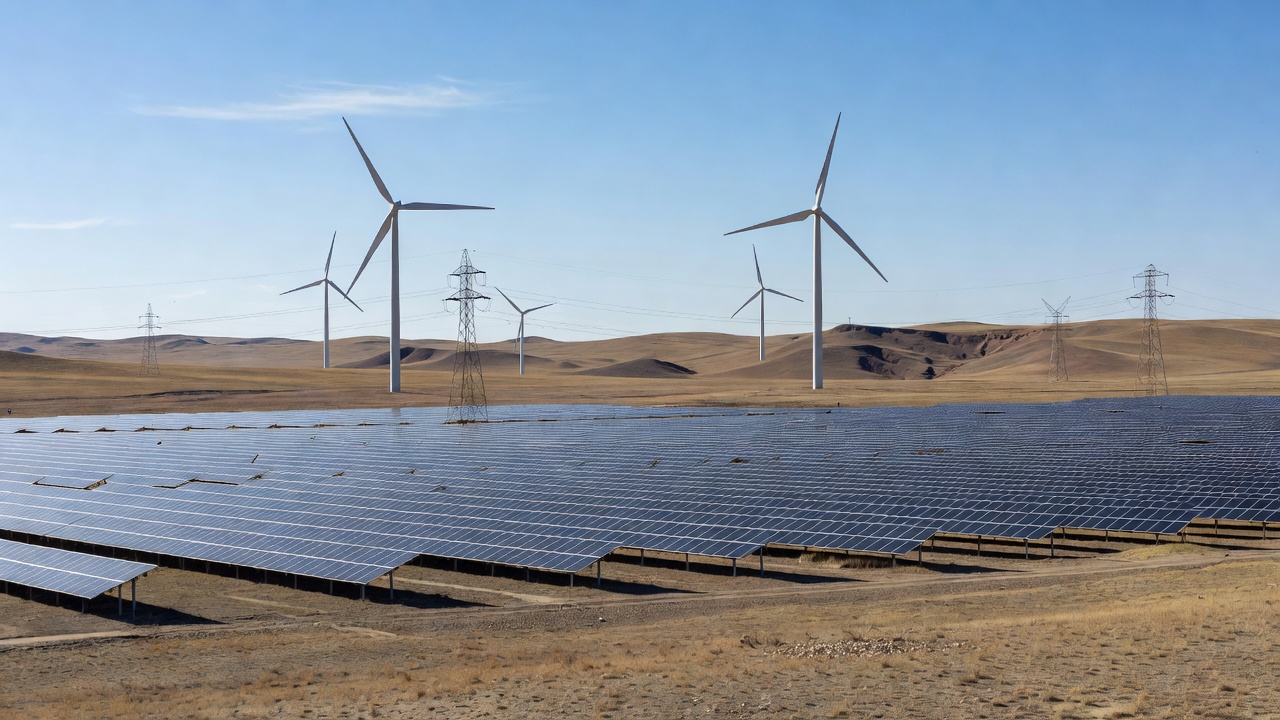
Mongolia aims to increase the renewable share of its installed capacity to 30 percent by 2030 from current levels around 18 percent, a United Nations assessment found.[[2]](https://mongolia.un.org/en/308872-accelerating-mongolia%E2%80%99s-just-energy-transition) The country recently completed its first renewable energy auction awarding 220 megawatts of solar photovoltaic capacity paired with 135 megawatts of battery storage across multiple provinces, according to industry reports. A second auction focused on stabilisation solutions for the Gobi region is scheduled imminently and remains open to international developers through local consortia. These steps indicate accelerating momentum in Mongolia’s shift away from coal dependency toward cleaner alternatives.
The partnership also touches on data centre development that would rely on reliable clean power supplies, an area of mutual interest given global demand for artificial intelligence infrastructure. Meetings with G42 explored potential cooperation in reforming Mongolia’s energy sector to accommodate such high-tech facilities while maintaining environmental standards. Both nations stand to benefit from combined expertise in scaling renewables and integrating storage technologies into existing grids. Progress under the memorandum will be tracked through a joint working mechanism established by the signatories.
Further collaboration is expected in policy dialogue and pilot projects that demonstrate practical applications of green hydrogen and advanced storage, the Emirates News Agency added. The UAE’s experience in delivering some of the world’s lowest solar tariffs could inform Mongolian procurement processes now moving toward competitive bidding. Mongolian officials have highlighted the potential for such ties to unlock financing and technical support for ambitious renewable targets amid vast wind and solar resources.