



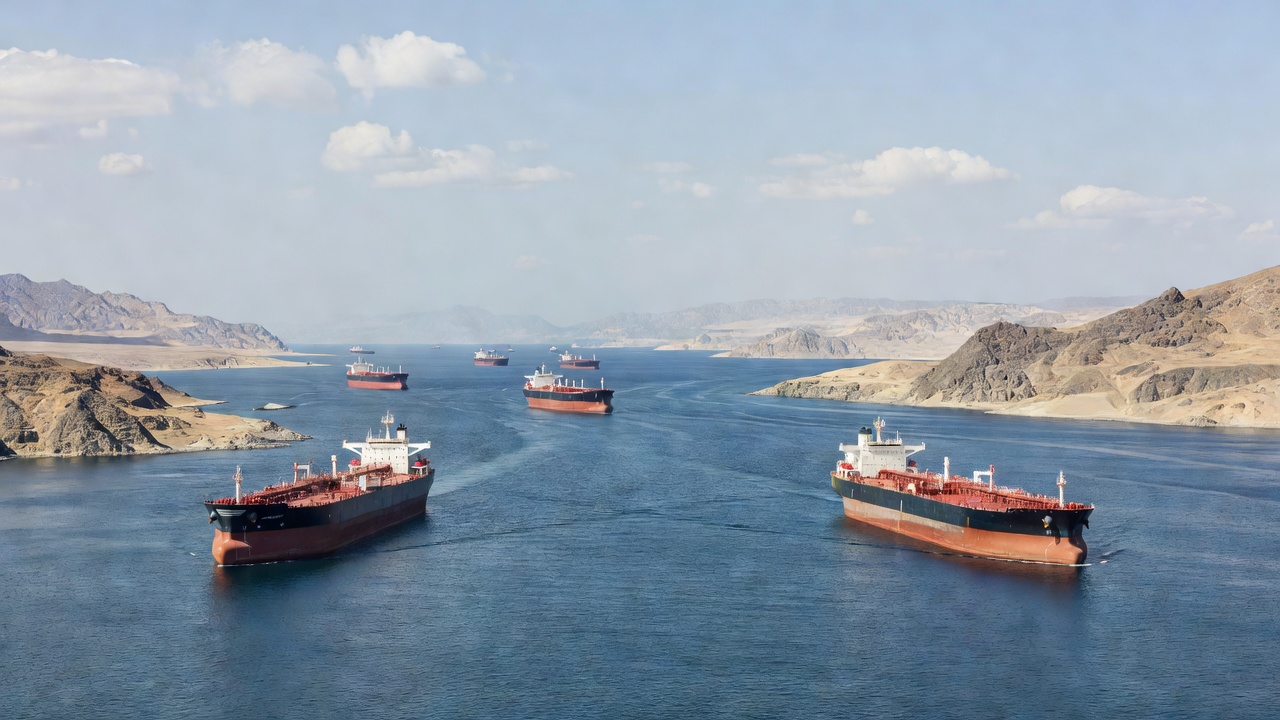

Kuwait’s Foreign Ministry strongly condemned what it described as a hostile Iranian attack on two vessels affiliated with Abu Dhabi National Oil Company while they transited the Strait of Hormuz. The ministry called the strike a violation of international law that threatens the safety of maritime navigation and broader regional stability. According to the UAE state news agency WAM, the statement emphasized the need to uphold norms protecting commercial shipping in vital waterways. Kuwait also voiced full support for measures the UAE may take to safeguard its sovereignty and national interests.
Sheikh Jarrah Jaber Al-Ahmad Al-Sabah, Kuwait’s foreign minister, discussed the incident in a telephone call with UAE Deputy Prime Minister and Foreign Minister Sheikh Abdullah bin Zayed Al Nahyan. Both officials denounced the missile strike on the ADNOC tankers and reviewed recent regional developments. The Kuwaiti minister affirmed his country’s complete solidarity with the UAE in the matter. The conversation highlighted the importance of addressing such events in ways that advance security and protect international maritime interests.
The attack occurred Thursday evening as the tankers moved through the Strait of Hormuz, with ADNOC confirming no injuries among crew members. Reuters reported that the strike represented the second such incident involving ADNOC vessels in less than a week. The UAE Foreign Ministry accused Iran of carrying out the assaults and labeled them acts of piracy that undermine UN Security Council resolutions on freedom of navigation.
Gulf Times reported that Saudi Arabia, Oman, Qatar, the Gulf Cooperation Council and the Arab League joined Kuwait in condemning the Iranian action against the UAE-flagged vessels. These statements described the attacks as dangerous escalations that endanger global energy supplies passing through the waterway. The coordinated responses reflect widespread concern across the region over repeated threats to commercial shipping.
The Strait of Hormuz handles a significant portion of the world’s seaborne oil trade, making incidents there particularly consequential for energy markets. WAM noted that the UAE and Kuwait stressed the value of collective efforts to maintain stability and safeguard navigation rights in the area. Officials from both sides warned that unchecked disruptions could affect international interests far beyond the Gulf.
The latest diplomatic exchanges come amid heightened tensions in the region, with the UAE earlier issuing its own strong denunciation of the Iranian role in the tanker strikes. No immediate details emerged on the extent of damage to the vessels involved in Thursday’s attack. Kuwait’s position aligns with a series of similar condemnations issued by neighboring states in response to the events.