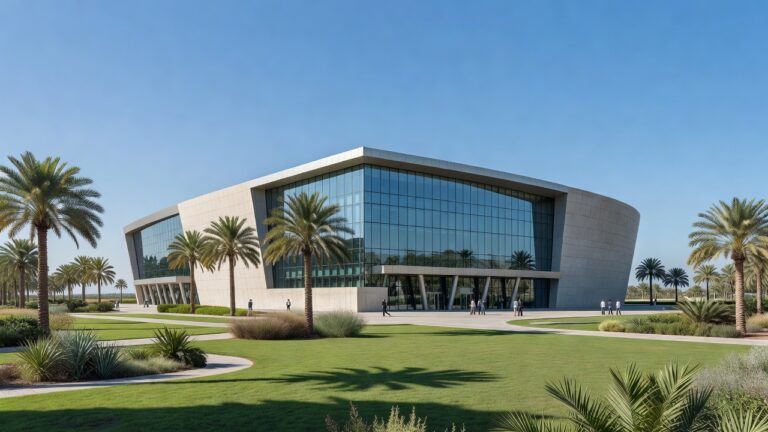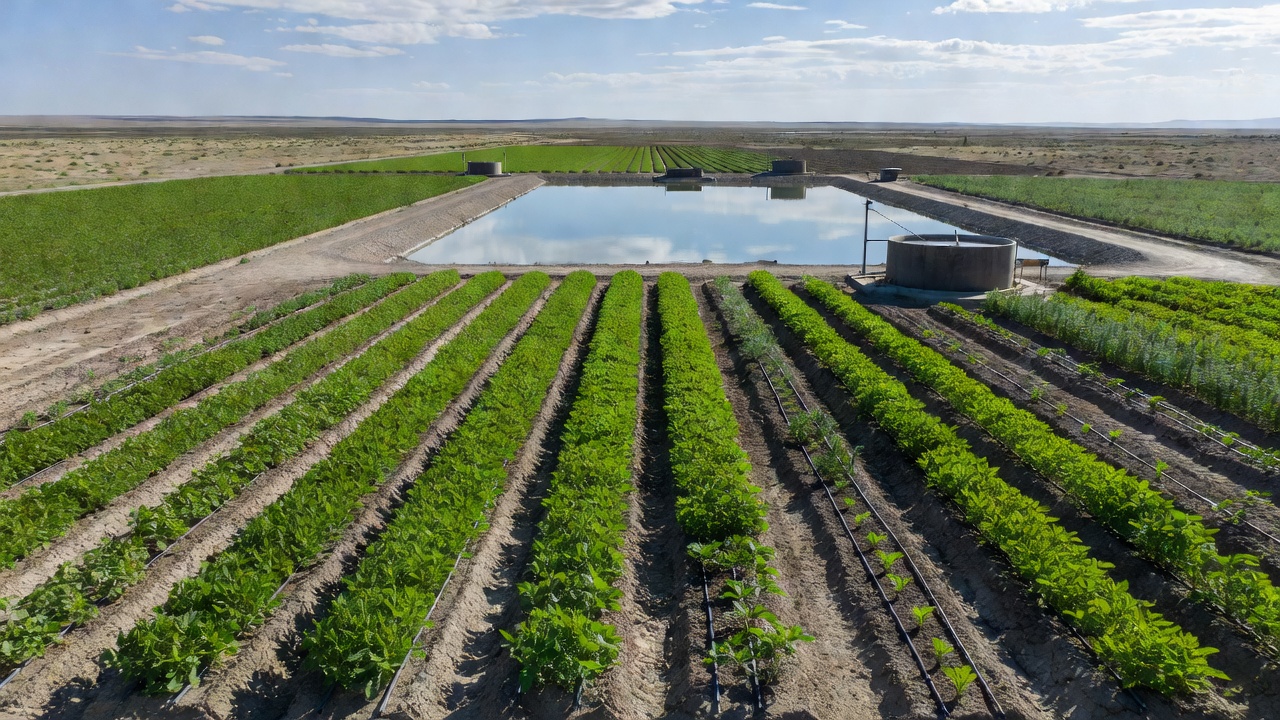

The programme, funded by the Abu Dhabi Fund for Development and carried out with Uzbekistan’s Ministry of Agriculture, brought together 10 specialists for an initial training phase in Dubai from September 21 to 23 that covered integrated fish and crop production systems suited to arid conditions, according to the Emirates News Agency. Those participants then moved to a field application segment in Nukus on October 5 and 6, where they adapted the techniques to local challenges including water scarcity and soil salinity in the Karakalpakstan region. ICBA Director General Dr. Tarifa Alzaabi said the design deliberately connected classroom learning with on-site implementation to give participants the tools needed for wider rollout in their communities.
This effort sits within a larger ADFD-supported project launched in 2022 to develop sustainable agricultural production systems in degraded areas of Karakalpakstan, ICBA project documentation shows. The overarching initiative has introduced more than two dozen genotypes of climate-resilient food and fodder crops at demonstration sites in Nukus, Chimbay and Muynak while upgrading irrigation infrastructure with drip systems and water storage, center figures indicate. It ultimately targets direct benefits for up to 15,000 farmers and their households in a region where the shrinking Aral Sea has caused widespread salinization and desertification, according to ICBA assessments.
The Dubai component equipped the Uzbek specialists with knowledge on operating integrated agri-aquaculture setups and spirulina cultivation under saline conditions, a statement from ICBA reported. Field activities in Uzbekistan allowed them to evaluate performance, refine approaches for local soil and climate, and prepare for scaling successful practices across affected districts. Such a linked format marks an evolution in the center’s capacity-building model for Central Asia, where similar environmental stresses affect large tracts of farmland.
Alzaabi added that the programme addresses the need to move beyond research toward tangible adoption and innovation in partner countries. “We want the knowledge acquired by the participants to be translated into practical ability to operate agricultural solutions and adapt them to the needs of their communities,” she said. The center has conducted complementary training reaching more than 1,500 farmers and extension workers in recent years as part of the same project framework, its updates show.
ICBA, a Dubai-headquartered applied research organization established with backing from the UAE government and the Islamic Development Bank, maintains an active presence in Uzbekistan including a regional office accredited until 2029. Its work in the country has expanded through partnerships with the Agency for Innovative Development and the International Innovation Center for the Aral Sea Basin, producing joint outputs on soil remediation and value-chain development, according to bilateral announcements. A related farmers’ and agro-entrepreneurs accelerator concluded in Nukus in September 2026 with 207 graduates, nearly 59 percent of them women, who presented 25 business concepts built around resilient crops.
Specialists who completed the exchange are positioned to support continued project activities that include seed multiplication, post-harvest processing and market linkage for smallholders. The initiative aligns with broader regional goals to restore productivity in the Aral Sea basin, where salinity impacts more than half of irrigated areas, ICBA data places. Future iterations of the knowledge exchange model could extend to additional Central Asian locations facing parallel constraints on land and water resources.