



In his main address at the World Governments Summit, Ethiopian President Taye Atske Selassie framed Africa as an active architect of its future rather than a passive observer amid declining confidence in multilateral institutions and rapid geopolitical changes, according to the Emirates News Agency. The president described the current period as a defining moment of introspection for the continent where disruptive global shifts challenge the old order while creating new opportunities in sectors such as renewable energy, artificial intelligence and digital finance. He stressed that Africa must be recognised as an equal partner in shaping global governance to ensure fairness and shared progress.[[1]](https://www.zawya.com/en/press-release/companies-news/ethiopian-president-calls-for-trust-partnership-and-inclusive-global-governance-kgqhyvdh)
A central element of the speech centred on economic integration across the continent with the president highlighting the African Continental Free Trade Area as a transformative tool capable of uniting a market of 1.3 billion people and generating a combined GDP that exceeds 3.4 trillion dollars. Full implementation of the agreement would reshape intra-African trade and help overcome long-standing development barriers the Ethiopian News Agency reported. Such integration positions the continent to engage more effectively with global partners on the basis of mutual benefit rather than dependency.[[2]](https://www.ena.et/web/eng/w/eng_8238382)
The president emphasised the need for secure trade routes noting that the Red Sea corridor serves as a vital artery for 12 percent of global trade and holds particular strategic importance for Ethiopia and the broader region. He called for collaborative frameworks to protect these routes that remain free from narrow geopolitical interests or parochial competition. This appeal reflects Ethiopia’s broader push to strengthen connectivity through infrastructure and logistics improvements that support both national and regional economic goals.[[3]](https://allafrica.com/stories/202609080044.html)
Trust and equity emerged as recurring themes in the address with President Taye cautioning against asymmetrical partnerships that could force African nations to choose sides in global rivalries. The Ethiopian leader advocated for cooperation grounded in mutual respect and shared interests that avoids exploitation while promoting genuine co-development. His remarks align with Ethiopia’s ongoing efforts to forge strategic ties including a partnership agreement signed with the European Union in October 2025 that targets collaboration in renewable energy, agrifood systems and sustainable infrastructure.[[4]](https://x.com/TayeAtske/status/1976247007720227171)
Innovations in technology and green energy received particular attention as avenues for Africa to leapfrog traditional development hurdles and build resilience against external shocks. The president positioned the continent’s youthful population and natural resources as assets that could drive innovation when paired with fair international collaboration. He reiterated that Africa stands ready to contribute actively to future global governance structures that prioritise inclusion over exclusion.[[5]](https://allafrica.com/stories/202604220105.html)
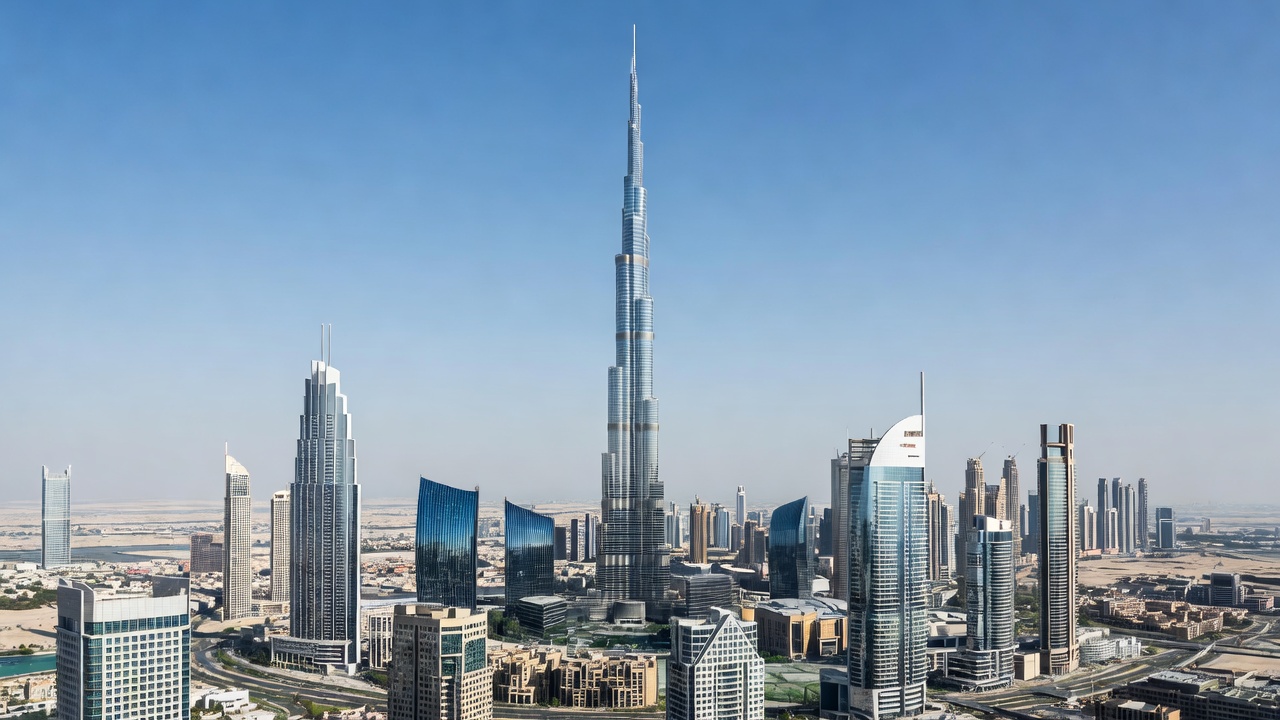
Concluding his remarks the president stated that the time had come for a new era of partnership focused on mutual survival and progress rather than outdated models of engagement. The address at the Dubai gathering underscored Ethiopia’s commitment to advancing such principles through both regional mechanisms like the African Continental Free Trade Area and bilateral ties with international actors. These positions build on earlier calls by the president for increased investment in clean energy and critical minerals to position the country as a hub for sustainable growth.[[6]](https://www.fanamc.com/english/president-taye-stresses-ethiopias-readiness-for-global-gateway-through-energy-and-investment-leadership/)